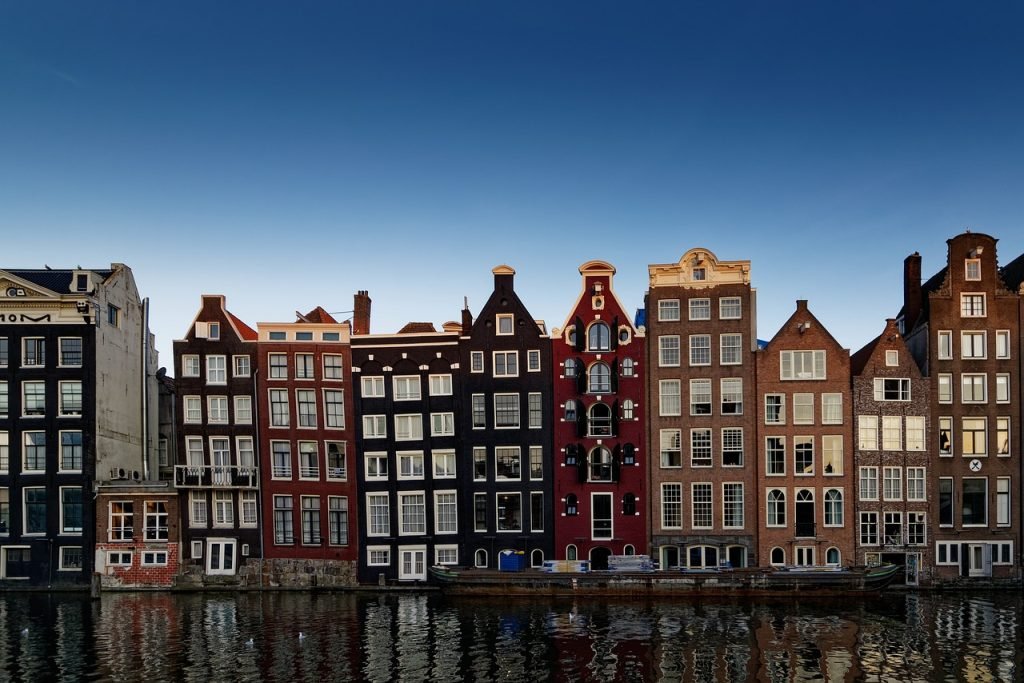
Picture this: You’re standing on a canal bridge at golden hour, watching centuries-old buildings lean against each other like old friends sharing secrets. A cyclist glides past, bell chiming softly, while the scent of fresh stroopwafels mingles with canal water and that distinctly Amsterdam air that tastes of history and possibility.
Amsterdam is refreshingly small—walk from one end of the historic center to the other in about 30 minutes—which means you’ll never feel lost or overwhelmed in this city that wears its 800+ years like a comfortable old coat. This isn’t a city trying to impress you with its size or speed. Instead, it whispers, “Slow down. Look around. Fall in love.”
Your Amsterdam Story Begins at Schiphol
The Dutch have mastered the art of seamless arrivals. Schiphol Airport feels more like a small city than a transportation hub, complete with art exhibitions and a library if you arrive early. But the real magic happens when you leave.
The NS Train: Your Golden Ticket to the Heart of Amsterdam
Skip those endless taxi queues and follow the cheerful yellow signs to “Trains/Treinen”—the Dutch love their clear signage almost as much as they love efficiency. The journey to Amsterdam Centraal takes just 15-20 minutes and costs €5.20 (or €6.20 if you buy a disposable ticket at the station), with trains running every 10-15 minutes throughout the day.
Here’s the insider move: grab a coffee from the platform café and watch the Dutch countryside roll by through those large train windows. It’s a gentle introduction to a country that has mastered the art of making things work efficiently without losing their soul.
Pro tip: The yellow ticket machines speak multiple languages and accept contactless payments, but using OVpay (contactless bank card) at the readers is fastest and avoids the disposable ticket surcharge.
Bus 397: The Scenic Route Above Ground
If you prefer to stay above ground, the Airport Express bus offers a leisurely 35-45 minute journey for €6.50. It’s perfect for getting your bearings and spotting your first Dutch cyclists effortlessly gliding along dedicated bike lanes. The bus comes with WiFi, charging ports, and large windows that frame your first glimpses of Amsterdam like a slow-motion movie.
The Reality Check on Taxis
Yes, taxis exist (€45-60 to city center), but in a city this compact and brilliantly connected, you’ll probably only need one if you’re traveling with half your wardrobe or arriving at some ungodly hour when even the famously reliable Dutch public transport takes a brief nap.
Why Amsterdam Works: Built for Humans, Not Cars
Here’s the beautiful truth about Amsterdam: it’s a walking city disguised as a cycling city. The historic center is compact enough that you can explore most major attractions on foot, and when your legs get tired, you can hop on a tram or rent a bike. The city’s 17th-century layout wasn’t designed for cars, and that’s exactly what makes it so livable and lovable today.
Those narrow streets that frustrate modern drivers? They force you to slow down and notice things: the way morning light hits canal water like scattered diamonds, the architectural quirks of buildings that have been settling into the soft Amsterdam soil for centuries, the rhythm of daily life that makes Amsterdam feel like a real city rather than a tourist destination.
The Heart of It All: From Centraal to Dam Square
Damrak: Your Gateway to Amsterdam’s Soul
Step off the train at Centraal Station and you’re immediately on Damrak, the bustling street that connects the station to Dam Square. Sure, it’s tourist-heavy, but it’s also authentically Amsterdam—a fascinating mix of cheese shops, souvenir stores, and the occasional street performer. The imposing buildings lining Damrak tell the story of Amsterdam’s merchant past, when this was the main route for traders heading to the heart of the city.
Don’t just rush through—pause and look up. These buildings have stories written in their facades.
Dam Square: Amsterdam’s Living Room for 700+ Years
This isn’t just another tourist trap—it’s been Amsterdam’s beating heart for centuries. The Royal Palace, the Gothic Nieuwe Kerk, and the National Monument create a dramatic backdrop for street artists, political demonstrations, and the occasional royal event. Grab a coffee from one of the surrounding cafés and watch the city’s daily theater unfold. You might witness anything from a flash mob to a state visit, sometimes on the same afternoon.
The Canal Ring: Poetry Written in Stone and Water
The UNESCO World Heritage canal ring isn’t just Instagram-pretty—it’s a masterpiece of urban planning that still works perfectly 400 years later. Those famous “dancing houses” along Herengracht and Keizersgracht lean against each other like old friends, each one slightly different due to the soft Amsterdam soil and centuries of settling.
Walk these canals at different times of day and you’ll understand why Amsterdam gets under people’s skin. Morning brings commuter cyclists and the gentle lapping of water against houseboats. Afternoon light turns the water into liquid gold. Evening transforms the canals into something magical, with warm light spilling from tall windows and the reflections of historic facades shimmering on the water like an impressionist painting come to life.
Shopping with Soul: De 9 Straatjes
Forget the predictable chain stores—Amsterdam’s real shopping treasure is De 9 Straatjes (The Nine Streets), a web of narrow lanes connecting the major canals. These aren’t just shopping streets; they’re time capsules where 17th-century buildings house independent boutiques, vintage shops, and cafés that feel like someone’s impossibly chic living room.
You’ll find everything from handmade jewelry that tells stories to vintage designer pieces with history, specialty cheese shops where the owners can recite the biography of every wedge, to quirky bookstores where you might discover your new favorite author. The joy is in the wandering—each narrow street reveals something unexpected. Take your time here; this is where you’ll find the perfect souvenir that actually means something.
Tulips and Reality: The Floating Flower Market
The Bloemenmarkt (Flower Market) along Singel canal is the world’s only floating flower market, though “floating” is a bit generous—the stalls are on permanently moored barges that have been rooted there since 1862. It’s undeniably touristy, but it’s also genuinely Amsterdam. The Dutch relationship with flowers runs deeper than tulip mania; it’s woven into the fabric of daily life.
The Tulip Truth (Because Honesty Matters)
Here’s the honest scoop: those colorful wooden tulips make delightful gifts, but if you want real tulip bulbs that will bloom in your garden back home, visit between September and December when the fresh bulbs arrive. The vendors are genuinely knowledgeable and can advise on varieties that will thrive in your climate. The market also sells fresh flowers daily—grab a bouquet for your hotel room and instantly feel more Dutch.
Museums That Matter (Choose Wisely)
The Rijksmuseum: Where Dutch History Lives and Breathes
This isn’t just a museum—it’s the autobiography of the Netherlands told through 800 years of art and artifacts. Rembrandt’s “The Night Watch” draws crowds for good reason, but spend quiet time with Vermeer’s “The Milkmaid” and you’ll understand why Dutch Golden Age art captures light like no other tradition in history. The museum’s brilliant renovation creates a natural flow through centuries, from medieval religious art to contemporary pieces that challenge and inspire.
Van Gogh Museum: Genius, Struggle, and Transcendence
Vincent van Gogh’s story unfolds chronologically here, from his dark early works to the explosive colors of his final years that seem to pulse with life even today. Standing in front of “The Sunflowers” or “The Bedroom” is genuinely moving—you can see his brushstrokes, feel his urgency, and understand why his work resonates across centuries and cultures.
Anne Frank House: A Difficult but Important Truth
Let’s be honest—this powerful museum requires advance booking weeks ahead and often sells out entirely. The crowds can be overwhelming, and the experience is emotionally demanding in ways that linger. If you can’t get tickets or prefer to avoid the tourist crush, consider visiting the nearby Jewish Historical Museum or the Resistance Museum, which tell equally important stories with fewer crowds and more space for reflection.
Neighborhoods That Feel Like Coming Home
The Jordaan: Amsterdam’s Most Charming Secret
This former working-class neighborhood has transformed into the city’s most livable district without losing its soul. The narrow streets are perfect for wandering, with independent shops, art galleries, and brown cafés (traditional Dutch pubs) that have been serving locals for centuries. Saturday’s Noordermarkt offers organic produce and vintage finds, while the area around Westerpark provides perfect picnic spots where locals gather on sunny afternoons.
De Pijp: Where Young Amsterdam Lives and Breathes
South of the city center, De Pijp pulses with multicultural energy. The Albert Cuyp Market stretches for nearly a kilometer, offering everything from fresh stroopwafels that will ruin you for all other waffles to vintage clothing with stories. The neighborhood’s diverse restaurants, cozy cafés, and proximity to Sarphatipark make it feel like a village within the city—one where you might hear five languages before you’ve walked two blocks.
A Perfect Day Trip: Zaanse Schans
Just 20 minutes from Amsterdam by train, Zaanse Schans offers the quintessential Dutch experience without the theme park artificiality. This living museum showcases traditional Dutch crafts—watch wooden shoes being carved by masters, see how stroopwafels are made (spoiler: it’s more complex than you think), and visit working windmills that still grind grain and produce paint pigments using centuries-old techniques.
The green wooden houses and peaceful Zaan River create a perfect contrast to urban Amsterdam. Yes, it’s touristy, but it’s also genuinely representative of Dutch heritage. Pack a picnic and spend a leisurely afternoon exploring—the train journey through typical Dutch countryside is half the fun.
The Art of Amsterdam Living
Cycling: Join the Poetry in Motion
Amsterdam has more bikes than residents, and cycling here is less about sport and more about transportation ballet. Rent a bike (€10-15 per day) and join the gentle flow of cyclists throughout the city. The bike lanes are well-marked and generally safe, though watch for trams and remember that cycling etiquette is taken seriously here. Ring your bell politely, signal your turns, and embrace the zen of two-wheeled transportation.
Walking: The Underrated Revelation
Here’s what guidebooks don’t always mention: Amsterdam is fantastically walkable. The historic center is compact, the streets are pedestrian-friendly, and walking gives you time to notice the details that make this city special—the way morning light hits canal water, the architectural quirks of 17th-century buildings, the rhythm of daily life that makes Amsterdam feel alive and authentic.
Public Transport: When Your Feet Need a Break
The GVB tram system is clean, efficient, and covers the entire city. Day passes range from €6.10 to €9.50 depending on the validity period, offering good value if you’re planning multiple journeys. However, many visitors find they walk more than they expected in this surprisingly compact city. Tram lines 2 and 5 are particularly useful for reaching museums and shopping areas.
2025 Update: GVB has introduced GVB Max which caps your total daily fare on GVB transport to €10, making it even easier to explore without worrying about costs adding up.
Eating Amsterdam: Beyond Expectations
The city’s food scene has evolved far beyond traditional Dutch cuisine (though you absolutely should try fresh herring and bitterballen—they’re comfort food perfection). Amsterdam now boasts numerous Michelin-starred restaurants alongside excellent casual dining options that reflect the city’s multicultural soul.
The real food culture happens in markets and cafés—grab fresh stroopwafels at Albert Cuyp Market while they’re still warm, try local cheeses at shops throughout the city where the staff treats cheese like wine, and don’t miss the apple pie at local cafés. It’s substantial, often served with a mountain of whipped cream, and pairs perfectly with strong Dutch coffee.
Practical tip: Many restaurants don’t take lunch reservations, but dinner reservations are recommended, especially on weekends when locals and tourists alike compete for the best tables.
Weather Reality Check (Because Honesty Is Key)
Amsterdam weather is famously unpredictable, but that’s part of its charm and character. Pack layers and a waterproof jacket regardless of the season—you’ll use both, possibly on the same day. The best times to visit are late spring through early fall, when the weather is warmest and daylight hours stretch luxuriously long.
But here’s a secret: Amsterdam in winter has its own appeal—cozy cafés with steamed windows, fewer crowds, and the city’s lights reflecting on rain-slicked cobblestones create a moody beauty that’s just as captivating as summer’s golden light.
The Amsterdam Truth: Why This City Matters
What makes Amsterdam special isn’t just its famous attractions—it’s the way the city has preserved its intimate, human scale while embracing modernity and change. It’s a place where you can study Rembrandt’s brushstrokes in the morning, cycle through centuries-old streets in the afternoon, and enjoy innovative cuisine in a canal-side restaurant as evening falls over the water.
The city’s commitment to sustainability is evident everywhere, from the extensive bike infrastructure to the growing number of electric boats on the canals. Amsterdam is actively working to balance tourism with livability for residents, creating a more authentic and sustainable travel experience that benefits everyone.
This isn’t a city trying to impress you with its size or speed—it’s a city that invites you to slow down, look around, and discover why people have been falling in love with it for over 800 years. And the best part? You can experience all of this without ever feeling rushed or overwhelmed.
Amsterdam fits perfectly in your pocket—and if you let it, it will find a permanent home in your heart.