Barcelona is a city of contrasts—stunning architecture meets tourist crowds, authentic neighborhoods coexist with overpriced traps, and genuine cultural experiences compete with manufactured attractions. With over 12 million visitors annually, this Catalan capital has mastered the art of tourism, for better and worse. Here’s an honest assessment of what deserves your time, what’s overhyped, and what hidden gems you shouldn’t miss.
The key to enjoying Barcelona is understanding its dual nature. Tourist hotspots can be genuinely spectacular but often come with crowds and inflated prices. Meanwhile, authentic Barcelona thrives in quieter neighborhoods where locals live, work, and socialize. The best visits combine both experiences thoughtfully.
The Essential Gaudí: What’s Actually Worth It
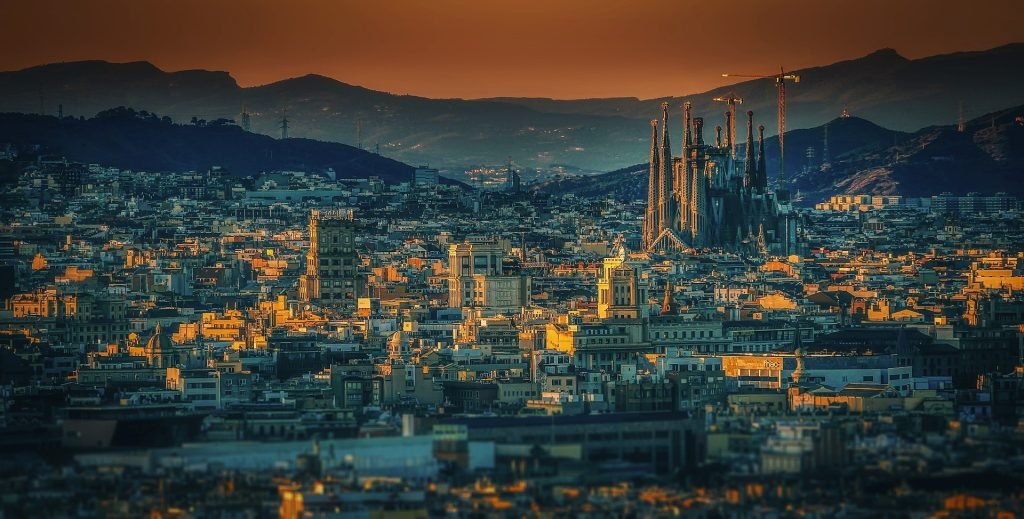
Sagrada Família: The Unmissable Marvel
Cost: €26 (basic entry), €36 (with tower access)
Hours: 9:00 AM – 6:00 PM (winter), 9:00 AM – 8:00 PM (summer)
Time needed: 2-3 hours
The verdict: Despite being Barcelona’s most expensive attraction, the Sagrada Família delivers an experience that justifies the cost. Book 2-3 weeks ahead, especially in summer, or risk paying inflated prices from resellers.
The exterior facades tell intricate stone stories—the Nativity side celebrates Christ’s birth while the Passion facade depicts his crucifixion in stark, angular forms. But the interior is where Gaudí’s genius truly shines. The columns branch like a stone forest, creating a canopy effect that feels both architectural and spiritual. Light filtering through stained glass windows changes throughout the day: morning blues and greens from the east, warm oranges and reds in the afternoon.
The tower climb costs €10 extra for 400 cramped spiral steps. The views are decent but not dramatically superior to free viewpoints elsewhere. If budget matters, skip the towers and invest in the interior experience—that’s where the magic happens.
Park Güell: Understanding the Experience
Cost: €10 for monumental zone (advance booking required)
Hours: 8:00 AM – 9:30 PM (summer), 8:30 AM – 6:15 PM (winter)
Time needed: 2-4 hours
Smart approach: The paid monumental zone contains famous elements like the colorful mosaic benches, dragon fountain, and fairy-tale gatehouses. But the free areas offer equally stunning panoramic views and peaceful walks through Mediterranean gardens.
This UNESCO site was originally planned as a luxury housing development that failed commercially, explaining its unique layout of winding paths and architectural follies. The park sits on Carmel Hill, providing some of Barcelona’s best city views. If you pay for the monumental zone, arrive early (8:00 AM) or late afternoon for optimal lighting and smaller crowds.
The free sections are genuinely beautiful and often more tranquil than the paid areas. Many visitors enjoy the complete experience by exploring both, spending time in the free areas to appreciate the views and garden walks.
Casa Batlló vs. Casa Milà: The Modernist Showdown
Casa Batlló: €29-39 | Casa Milà: €25-35
Hours: Both open 9:00 AM – 8:00 PM
The comparison: Both showcase Gaudí’s mature style but offer different experiences. If you go to Casa Batlló you will find an augmented reality audio guide that overlays dragon imagery and underwater scenes onto the architecture. It’s creative but can feel gimmicky, and the constant crowds make detailed observation difficult.
Casa Milà (La Pedrera) provides a more contemplative experience. The building’s undulating stone facade resembles ocean waves, while the rooftop features iconic chimney sculptures that look like medieval knights. The apartment recreation shows early 1900s bourgeois life, and the rooftop views are spectacular.
Both are worth visiting if time and budget allow, but Casa Milà edges ahead for its combination of architectural innovation, historical context, and superior crowd management. The rooftop alone justifies the admission price.
Casa Vicens: The Overlooked First
Cost: €16
Hours: 10:00 AM – 7:00 PM
Time needed: 1-2 hours
Why it matters: Gaudí’s first house reveals his early influences—Moorish patterns, Oriental motifs, and geometric designs that contrast sharply with his later organic forms. The colorful tile work and intricate ironwork show a young architect experimenting with styles.
Located in Gràcia, Casa Vicens offers a perfect introduction to one of Barcelona’s most authentic neighborhoods. The house itself is intimate and manageable, allowing close examination of Gaudí’s early craftsmanship without overwhelming crowds.
Beyond Gaudí: Barcelona’s Architectural Diversity
Montjuïc: Olympic Legacy and Cultural Hub
Cost: Mostly free (individual museums charge admission)
Time needed: Half to full day
What you’ll find: This hilltop complex showcases Barcelona’s 1992 Olympic success while offering world-class museums and spectacular views. The Olympic Stadium, originally built for the 1927 International Exposition, provides context for the city’s sporting ambitions.
The Miró Foundation houses the world’s largest collection of the artist’s work in a building designed by his friend Josep Lluís Sert. The white, minimalist architecture creates perfect spaces for Miró’s colorful, whimsical creations. The National Art Museum of Catalonia (MNAC) contains exceptional Romanesque and Gothic art collections that most tourists overlook.
The Magic Fountain shows (Thursday-Sunday evenings) are admittedly cheesy but undeniably entertaining. The fountain dances to music ranging from classical to pop, with colored lights creating dramatic effects. It’s touristy but genuinely fun—one of those experiences that’s better when shared with crowds.
Gothic Quarter: Beautiful but Complex
Cost: Free to explore
Time needed: 2-3 hours
The reality: The narrow medieval streets create atmospheric shadows and reveal hidden squares around every corner. The Cathedral is genuinely stunning, especially during free visiting hours (8:00 AM – 12:30 PM and 5:45 PM – 7:30 PM). The Gothic spires and peaceful cloister with resident geese provide serenity amid urban chaos.
However, much of the “Gothic” architecture is actually 19th and early 20th-century restoration work. The medieval city was largely rebuilt during Barcelona’s industrial boom, creating a romanticized version of the historic quarter. Today, many streets contain souvenir shops and touristy restaurants rather than authentic local businesses.
The quarter is worth exploring for its architecture and atmosphere, but balance your visit with time in more authentic neighborhoods. Consider it a beautiful film set rather than a living medieval district.
El Born: Authentic Barcelona
Cost: Free to explore
Time needed: 2-4 hours
Why it works: This neighborhood successfully balances historic preservation with contemporary life. The narrow medieval streets house excellent restaurants, independent boutiques, and cultural spaces while maintaining residential character.
The Picasso Museum occupies five connected medieval palaces, with the buildings themselves rivaling the art collection. The museum focuses on Picasso’s formative Barcelona years, showing his evolution from realistic portraits to early cubist experiments. Santa Maria del Mar church, the “Cathedral of the Sea,” showcases pure Gothic architecture without baroque additions or tourist crowds.
El Born’s food scene represents Barcelona at its most sophisticated. Young Catalans gather here for innovative tapas, natural wines, and creative cocktails. The neighborhood feels genuinely alive rather than preserved for tourists.
The Overhyped (But Not Entirely Worthless)
Las Ramblas: Tourist Central
Cost: Free to walk
Time needed: 30 minutes
The truth: This famous pedestrian boulevard has become Barcelona’s most touristy street, filled with aggressive performers, overpriced restaurants, and persistent pickpockets. What was once the city’s social heart now serves primarily as a tourist conveyor belt.
However, Las Ramblas retains architectural interest and historical significance. The street connects several important squares and provides access to the Boqueria Market and Liceu Opera House. Walk it once for the experience and orientation, then explore the side streets where more authentic Barcelona awaits.
The key is managing expectations—see Las Ramblas as a historic thoroughfare rather than a cultural destination. Use it as a navigation tool while spending your time and money elsewhere.
Barceloneta Beach: Urban Beach Reality
Cost: Free
Time needed: 2-3 hours
Honest assessment: This artificial beach, created for the 1992 Olympics, serves its purpose as urban seaside recreation. The sand is imported and maintained, the water can be rough, and summer crowds are intense. The beach bars are overpriced and touristy.
But for what it is—a city beach in the heart of Barcelona—it’s perfectly functional. If you need swimming and sunbathing without leaving the city, Barceloneta delivers. The promenade is pleasant for walking or cycling, and the neighborhood behind the beach retains working-class character with good seafood restaurants.
Don’t expect pristine Mediterranean paradise, but don’t dismiss it entirely if beach time fits your plans. Consider it an urban amenity rather than a destination attraction.
Flamenco Shows: Cultural Disconnect
Cost: €25-50
Time needed: 2 hours
Why it’s problematic: Flamenco is deeply rooted in Andalusian culture, developing from Romani, Moorish, and Spanish influences in southern Spain. Barcelona’s flamenco shows are tourist performances that lack authentic cultural context.
The venues typically feature underground spaces with uncomfortable seating and mediocre performances. Real flamenco is passionate and improvisational—a conversation between guitarist, singer, and dancer that can’t be replicated in tourist shows.
For authentic Barcelona music culture, seek out rumba catalana concerts—a local fusion of flamenco and Latin rhythms that actually has roots in the city’s Romani community.
The Pleasant Surprises
Parc de la Ciutadella: Underrated Urban Oasis
Cost: Free
Time needed: 1-3 hours
Why it works: This park often gets dismissed by guidebooks, but it serves an important function as Barcelona’s green lung. The walk from Arc de Triomf through the park provides a pleasant transition between city areas while offering respite from tourist crowds.
The Cascada fountain is genuinely impressive—a grand waterfall designed by Josep Fontsère with possible input from young Gaudí. The mammoth statue, while criticized as kitsch, has become a beloved landmark. The park houses several museums and provides space for picnics, reading, and people-watching.
For families with children or travelers seeking green space, Ciutadella serves perfectly. It’s not spectacular, but it’s peaceful, free, and authentically used by locals. Sometimes the best attractions are the ones that simply provide what you need.
Bunkers del Carmel: Best Views in Barcelona
Cost: Free
Time needed: 2-3 hours (including travel)
The payoff: These abandoned Civil War anti-aircraft bunkers offer spectacular 360-degree views of Barcelona. Most tourists never discover them, making the experience feel like a genuine secret.
Getting there requires effort—metro to Alfons X, bus 119 to Marià Lavèrnia, then a 20-minute uphill walk. The views at sunset are magical, with the city lights beginning to twinkle and the sky turning golden. Bring water and jackets—it’s windy and has no facilities.
The bunkers provide historical context about Barcelona’s Civil War experience while offering the city’s best free viewpoint. It’s worth the journey for photography enthusiasts and anyone seeking dramatic city panoramas.
Sant Pau Recinte Modernista: The Peaceful Masterpiece
Cost: €15
Hours: 10:00 AM – 6:30 PM
Time needed: 2-3 hours
Hidden gem: This former hospital complex by Lluís Domènech i Montaner rivals Gaudí’s work but receives fraction of the visitors. The 27 pavilions connected by underground tunnels showcase intricate mosaics, stained glass, and sculptural details.
The architect believed beautiful surroundings aided healing—revolutionary for early 20th-century hospital design. The complex functioned as a hospital until 2009, giving it authentic historical purpose beyond architectural tourism.
What makes Sant Pau special is tranquility. You can examine architectural details without fighting crowds, and the gardens provide peaceful contemplation spaces. The audio guide is excellent, explaining both architecture and medical history.
Gràcia: Village Within the City
Cost: Free to explore
Time needed: Half day
Authentic experience: This former independent village maintains distinct character despite absorption into Barcelona in 1897. Narrow streets radiate from small squares, each with unique personality and local bars.
Plaça del Sol becomes the social heart in evenings, filled with locals enjoying vermut and conversation. The food scene is exceptional—innovative tapas bars, natural wine shops, and restaurants focusing on local ingredients. The weekly market, Mercat de la Llibertat, serves residents rather than tourists.
Gràcia hosts Barcelona’s best neighborhood festival, Festa Major de Gràcia, in mid-August. Residents spend months decorating streets with elaborate themes, creating temporary art installations. Even without the festival, the community spirit is evident in the neighborhood’s creative energy.
Museums That Deliver
Picasso Museum: Early Genius
Cost: €12 (free first Sunday monthly, Thursday 6-9 PM)
Hours: Tuesday-Sunday 9:00 AM – 7:00 PM
Time needed: 2-3 hours
Why visit: The world’s best collection of young Picasso’s work, housed in five connected medieval palaces. You’ll see his evolution from realistic painter to revolutionary cubist, with particular focus on his formative Barcelona years.
Palau de la Música Catalana: Architectural Symphony
Cost: €20 (guided tour)
Hours: Tours every 30 minutes, 10:00 AM – 3:30 PM
Time needed: 1 hour
Worth it: This UNESCO World Heritage concert hall might be the world’s most beautiful, and the guided tours justify the cost. The inverted stained glass dome creates changing light patterns throughout the day, while elaborate mosaics celebrate musical traditions.
The building served as cultural resistance during periods of Catalan repression, celebrating regional identity through artistic expression. Today it hosts 300 annual concerts from classical to world music.
Joan Miró Foundation: Playful Escape
Cost: €13
Hours: Tuesday-Sunday 10:00 AM – 6:00 PM
Time needed: 2-3 hours
Appeal: Miró’s whimsical sculptures and paintings provide perfect contrast to heavy Gothic architecture. The modern building by Josep Lluís Sert creates ideal spaces for the artist’s colorful, imaginative work.
Practical Information
Airport Transportation
Aerobús: €5.90, 35-40 minutes (most convenient)
Metro: €5.15, 45 minutes with transfer (budget option)
Taxi: €25-35, 20-40 minutes (best for groups)
Metro Hours and Tickets
Mon-Thu: 5:00 AM – 12:00 AM | Fri: 5:00 AM – 2:00 AM
Sat: 24 hours | Sun: 5:00 AM – 12:00 AM
T-Casual 10-trip pass: €11.35 (best tourist value)
Tips for Your Planning
Essential Experiences:
- Sagrada Família interior (skip towers if budget-conscious)
- El Born neighborhood exploration
- Casa Milà rooftop
- Bunkers del Carmel for sunset views
Worth Your Time:
- Park Güell (combine free and paid areas)
- Parc de la Ciutadella for relaxation
- Gràcia neighborhood wandering
Manage Expectations:
- Las Ramblas (see it, then move on)
- Barceloneta Beach (functional, not paradise)
- Gothic Quarter (beautiful but touristy)
Final Words
Barcelona’s magic lies in balancing spectacular sights with authentic experiences. The city rewards visitors who venture beyond the obvious attractions to discover the neighborhoods, food culture, and architectural details that make it uniquely Catalan. Quality over quantity creates the most memorable experiences.
Barcelona is a lively, authentic, and genuine city. For this reason, perhaps more than any other Spanish city, it suffers from banal and predictable tourism. It is therefore up to you to do something different: visit it as much as possible like a local. Only then will you truly appreciate its colorful hues, gifted by the genius of Gaudí.