Discovering Berlin feels like stepping into a living history book where every street corner tells a story of triumph, division, and remarkable transformation. This isn’t just another European capital—it’s a city where Cold War remnants stand shoulder-to-shoulder with cutting-edge art galleries, where underground bunkers have become cultural spaces, and where the weight of history somehow makes every moment feel more meaningful.
Whether you’re planning your first Berlin adventure or returning to explore deeper layers of this fascinating metropolis, this comprehensive Berlin travel guide will help you navigate everything from airport transfers to hidden underground tours. Let’s dive into what makes Berlin one of Europe’s most compelling destinations.
Getting to Berlin: Your Journey Starts at Brandenburg Airport (BER)
From Berlin Brandenburg Airport to City Center: Transportation Options
Berlin Brandenburg Airport (BER) serves as your gateway to the German capital, positioned strategically just 18 kilometers southeast of the city center. Since replacing the old Tegel Airport in 2020, BER has become the modern face of Berlin’s connectivity to the world.
S-Bahn Train Connections (Recommended)
The most efficient and budget-friendly way to reach central Berlin involves the S-Bahn suburban railway system. Lines S9 and S45 operate frequent services throughout the day, delivering you to major hubs like Alexanderplatz or Ostkreuz in approximately 30-40 minutes. These trains run every 10-20 minutes, making them incredibly reliable for travelers.
For an even faster journey, regional trains RE7 and RB14 whisk you directly to Berlin Hauptbahnhof (the main train station) in just 30 minutes, connecting you immediately to the heart of the city’s transportation network.
Mastering Berlin’s Public Transportation Network
Berlin’s public transportation system ranks among Europe’s most comprehensive and user-friendly networks, seamlessly integrating multiple modes of transport into one cohesive system.
U-Bahn Underground Network
The U-Bahn consists of 10 underground lines that create the backbone of inner-city travel. These frequently running trains excel at connecting central districts and popular tourist areas, making short trips across the city both quick and convenient.
S-Bahn Suburban Railway
With 15 lines extending throughout Greater Berlin, the S-Bahn connects suburban areas with the city center while linking major transportation hubs. Many S-Bahn routes run above ground, offering glimpses of Berlin’s diverse neighborhoods during your journey.
Pro Transportation Tips
Consider purchasing the Berlin WelcomeCard, which combines unlimited public transport access with significant discounts at major attractions, museums, and restaurants throughout the city.
Berlin’s Must-See Attractions: In-Depth Exploration Guide
1. Brandenburg Gate: Symbol of Unity and Freedom
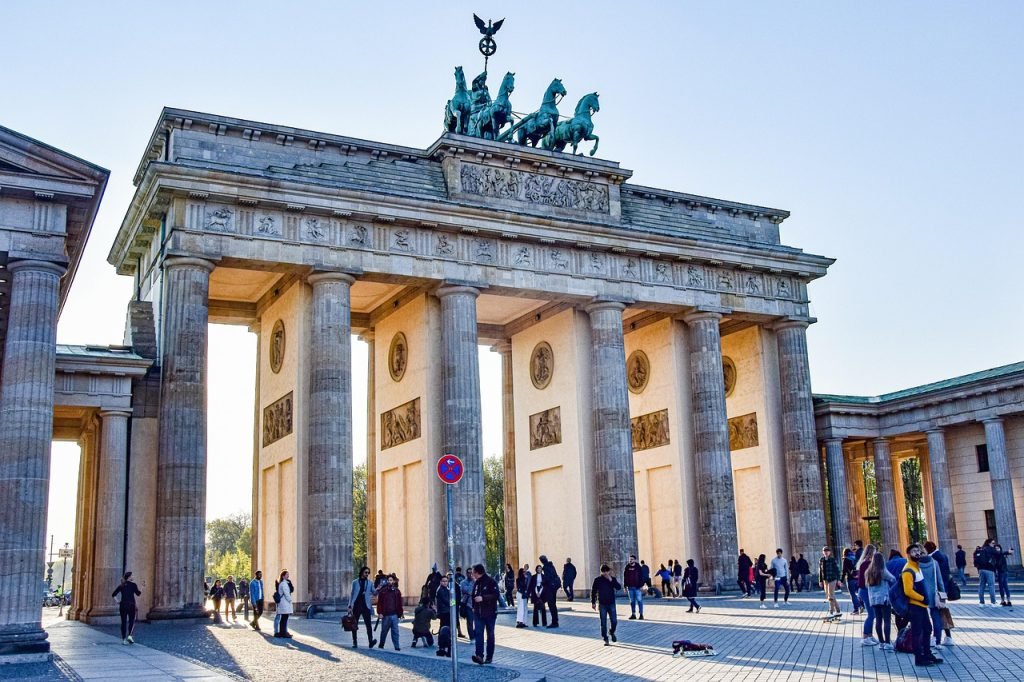
Standing majestically at Pariser Platz, the Brandenburg Gate transcends its role as merely Berlin’s most photographed landmark—it embodies the soul of modern Germany. This neoclassical masterpiece, completed in 1791, witnessed Napoleon’s triumphal marches, Nazi parades, Cold War divisions, and ultimately, the joyous celebrations of German reunification.
The gate’s twelve Doric columns support the magnificent Quadriga sculpture—a chariot drawn by four horses, crowned by Victoria, the Roman goddess of victory. During the Cold War years, this monument stood tantalizingly close to the Berlin Wall, symbolizing the painful division of a city and nation. Today, millions of visitors pass through its arches, experiencing the powerful symbolism of freedom and unity that defines modern Berlin.
Visitor Experience Tips:
- Visit during both day and night for dramatically different photographic opportunities
- The surrounding Pariser Platz hosts seasonal events and festivals
- Free access makes this an essential stop for every Berlin itinerary
2. Museum Island (Museuminsel): UNESCO World Heritage Treasure
Museum Island represents one of the world’s most extraordinary concentrations of cultural treasures, earning its UNESCO World Heritage designation through sheer magnificence. This unique island in the Spree River houses five internationally renowned museums, each containing priceless artifacts spanning thousands of years of human civilization.
The Pergamon Museum captivates visitors with its monumental archaeological reconstructions, including the breathtaking Pergamon Altar and the stunning Ishtar Gate of Babylon, transported brick by brick from their original locations.
The Neues Museum gained worldwide fame for housing the iconic limestone bust of Queen Nefertiti, one of ancient Egypt’s most beautiful artistic achievements, alongside comprehensive Egyptian and prehistoric collections.
3. East Side Gallery: The World’s Longest Open-Air Gallery
The East Side Gallery transforms tragedy into beauty, converting 1.3 kilometers of the former Berlin Wall into the world’s longest open-air art gallery. Following the Wall’s fall in 1989, artists from across the globe created over 100 powerful murals on this concrete canvas, turning a symbol of oppression into a celebration of freedom, hope, and human creativity.
Walking along the Spree River beside these vibrant artworks creates a profound emotional experience. Each mural tells its own story—some political, others deeply personal, all contributing to a collective narrative about overcoming division and embracing unity.
4. Reichstag Building: Democracy’s Architectural Marvel
The Reichstag Building seamlessly blends historical gravitas with contemporary democratic ideals. While its neo-Renaissance facade speaks to German parliamentary tradition, Norman Foster’s spectacular glass dome symbolizes transparency in modern governance. This architectural marvel allows visitors to literally look down into the parliamentary chamber while enjoying 360-degree panoramic views of Berlin’s evolving skyline.
5. Checkpoint Charlie: Gateway to Cold War History
Checkpoint Charlie stands as the most famous Berlin Wall crossing point, where American and Soviet guards once faced each other in tense standoffs that could have triggered World War III. Today, this historically significant location operates as both an outdoor museum and educational center, helping visitors understand the human cost of Berlin’s division.
The replica guardhouse and surrounding exhibits feature compelling stories of dramatic escape attempts, international espionage, and the daily realities of life in a divided city. The nearby Mauermuseum houses authentic artifacts, personal testimonies, and creative escape devices that bring Cold War tensions to vivid life.
6. Potsdamer Platz: Berlin’s Modern Renaissance
Potsdamer Platz exemplifies Berlin’s remarkable ability to reinvent itself. Once Europe’s busiest square before World War II, then a desolate no-man’s-land during the Cold War, this area has transformed into a gleaming testament to contemporary urban planning and architectural innovation.
Today’s Potsdamer Platz buzzes with activity as towering skyscrapers house international corporations, cutting-edge cinemas showcase the latest films, and diverse restaurants serve cuisines from around the world. During winter months, the square hosts Winter World, featuring ice skating, sledding, and cozy warming huts that create magical holiday memories.
7. Humboldt Forum: Cultural Exchange in a Royal Setting
The Humboldt Forum occupies the meticulously reconstructed Berlin Palace, creating a stunning venue where baroque architecture meets 21st-century cultural programming. This ambitious cultural project showcases rotating exhibitions exploring global art, culture, and history, emphasizing cross-cultural dialogue and understanding.
The Forum’s diverse programming includes live performances, interactive workshops, and family-friendly activities that make complex cultural topics accessible to visitors of all ages and backgrounds.
8. Berliner Unterwelten: Hidden History Beneath Your Feet
Berliner Unterwelten offers extraordinary guided tours through Berlin’s extensive underground network of World War II bunkers, Cold War escape tunnels, and air raid shelters. These fascinating tours reveal hidden chapters of Berlin’s history while exploring the literal foundations upon which the modern city stands.
Underground Tour Highlights:
- WWII air raid shelters used by ordinary Berliners
- Cold War escape tunnels dug beneath the Berlin Wall
- Government bunkers designed for nuclear war scenarios
9. Museum für Naturkunde: Natural Wonders and Scientific Discovery
The Natural History Museum captivates visitors with its world-class paleontological collections, including the planet’s largest mounted dinosaur skeleton. Interactive exhibits make complex scientific concepts accessible and engaging for visitors ranging from curious children to serious researchers.
Must-See Exhibits:
- The towering Brachiosaurus skeleton dominating the main hall
- Extensive meteorite collections from across the solar system
- Interactive displays exploring evolution and biodiversity
10. Mauerpark: Where Berlin’s Alternative Spirit Thrives
Mauerpark embodies Berlin’s famous alternative culture and community spirit. Every Sunday, this vibrant urban park transforms into a cultural festival featuring an expansive flea market where you can discover everything from vintage clothing to handmade crafts, followed by the legendary open-air karaoke sessions that attract hundreds of participants and spectators.
The park’s colorful graffiti walls and relaxed atmosphere provide authentic insight into contemporary Berlin’s creative energy and inclusive community culture.
Perfect 3-Day Berlin Itinerary: Maximizing Your Experience
Day 1: Historical Berlin and Iconic Landmarks
Morning: Begin your Berlin adventure at the Brandenburg Gate, soaking in the historical significance while capturing those essential photos. Walk through the nearby Pariser Platz and along Unter den Linden boulevard.
Midday: Tour the impressive Reichstag Building and glass dome, learning about German democracy while enjoying panoramic city views.
Afternoon: Explore Checkpoint Charlie and the associated Cold War exhibitions, gaining insight into Berlin’s divided past.
Evening: Stroll along the East Side Gallery as the setting sun illuminates the colorful murals, followed by dinner in the trendy neighborhoods surrounding the former Wall.
Day 2: Cultural Immersion and Modern Berlin
Morning: Dedicate substantial time to Museum Island, focusing on the Pergamon Museum’s archaeological wonders and the Neues Museum’s Egyptian treasures.
Midday: Explore the Humboldt Forum’s current exhibitions and architectural beauty.
Afternoon: Experience Potsdamer Platz’s modern energy and seasonal Winter World activities.
Evening: Join the alternative culture scene at Mauerpark, browsing the flea market and potentially participating in the famous karaoke sessions.
Day 3: Hidden History and Neighborhood Discovery
Morning: Embark on a Berliner Unterwelten underground tour, uncovering Berlin’s hidden wartime and Cold War history.
Midday: Discover natural wonders at the Museum für Naturkunde, perfect for families or science enthusiasts.
Afternoon: Explore the authentic character of neighborhoods like Kreuzberg or Friedrichshain, where street art, independent cafes, and local culture create an authentic Berlin experience.
Evening: Conclude your Berlin adventure with traditional German cuisine in a cozy local restaurant, reflecting on your journey through this remarkable city.
When to Visit Berlin: Seasonal Considerations for the Perfect Trip
Winter Magic: The Ultimate Berlin Experience
Berlin during winter months, particularly around Christmas and New Year’s Eve, offers an experience that perfectly encapsulates the city’s unique character. The contrast between Berlin’s sometimes austere post-Cold War architecture and the warm, inviting glow of Christmas markets creates an almost magical atmosphere.
Why Winter Visits Are Special:
- Christmas markets transform stark urban spaces into enchanting wonderlands
- Mulled wine (Glühwein) and seasonal treats provide comfort against chilly weather
- Fewer crowds at major attractions mean more intimate experiences
- The interplay between historical weight and festive celebration creates unforgettable memories
This seasonal transformation softens Berlin’s harder edges while highlighting the city’s remarkable journey from division to celebration, making winter arguably the most emotionally resonant time to experience this incredible city.
Conclusion: Why Berlin Should Top Your European Travel List
Berlin stands apart from other European capitals through its unique combination of heavyweight historical significance, cutting-edge contemporary culture, and an atmosphere unlike anywhere else on Earth. This is a city where you can trace the rise and fall of empires through architecture, experience world-class art collections, and participate in vibrant street culture—all within the same day.
The city’s remarkable transformation from a symbol of global division to a beacon of unity and creativity makes every visit feel like a privilege. Whether you’re exploring underground bunkers, admiring priceless artifacts on Museum Island, or simply walking along the former Berlin Wall now decorated with hopeful murals, Berlin consistently delivers experiences that resonate long after you return home.
For travelers seeking destinations that combine historical depth, cultural richness, and contemporary energy, Berlin offers an unmatched European experience that will expand your understanding of history, art, and human resilience. Start planning your Berlin adventure today—this extraordinary city is waiting to share its stories with you.