Planning a Budapest trip? Skip the generic tourist traps and discover what really matters in Hungary’s captivating capital.
Let me be completely honest with you: after spending an unforgettable week in Budapest during the sweltering July heat of last year, I learned something crucial that most travel guides won’t tell you. You don’t need to check every single monument off your bucket list to fall head-over-heels for this magnificent city. In fact, some of my most treasured Budapest memories happened while simply wandering cobblestone streets, nursing a coffee in a hidden courtyard, or watching the golden sunset paint the Danube River.
This isn’t your typical “see everything in 72 hours” Budapest itinerary. Instead, it’s a thoughtfully curated guide that balances must-see attractions with authentic local experiences, practical insider tips, and honest advice about what’s actually worth your time and money in Budapest.
Why Budapest Should Be Your Next European Adventure
Budapest seamlessly weaves together over 1,000 years of turbulent history with vibrant modern culture, creating a destination that satisfies history buffs, architecture enthusiasts, foodies, and nightlife seekers alike. The Hungarian capital offers exceptional value compared to Western European cities, stunning thermal baths that provide relief from both summer heat and winter chill, and a culinary scene that extends far beyond the famous goulash.
But here’s what travel blogs rarely mention: Budapest rewards slow travelers who take time to absorb its atmosphere rather than rushing between Instagram spots.
Essential Budapest Attractions: What’s Actually Worth Your Time
Buda Castle and Castle Hill: Free Views Beat Expensive Tours
Why visit: Spectacular panoramic views of the Danube River and Pest side, medieval cobblestone streets perfect for wandering, and impressive Habsburg architecture.
Honest assessment: The castle grounds themselves are completely free to explore and provide the most rewarding experience. The Hungarian National Gallery and Budapest History Museum inside showcase fascinating collections, but if you’re working with limited time or budget, the outdoor experience delivers the magic without the museum fatigue.
Insider tip: The funicular railway (Budavári Sikló) offers a charming ride up Castle Hill, but the walk provides better photo opportunities and costs nothing.
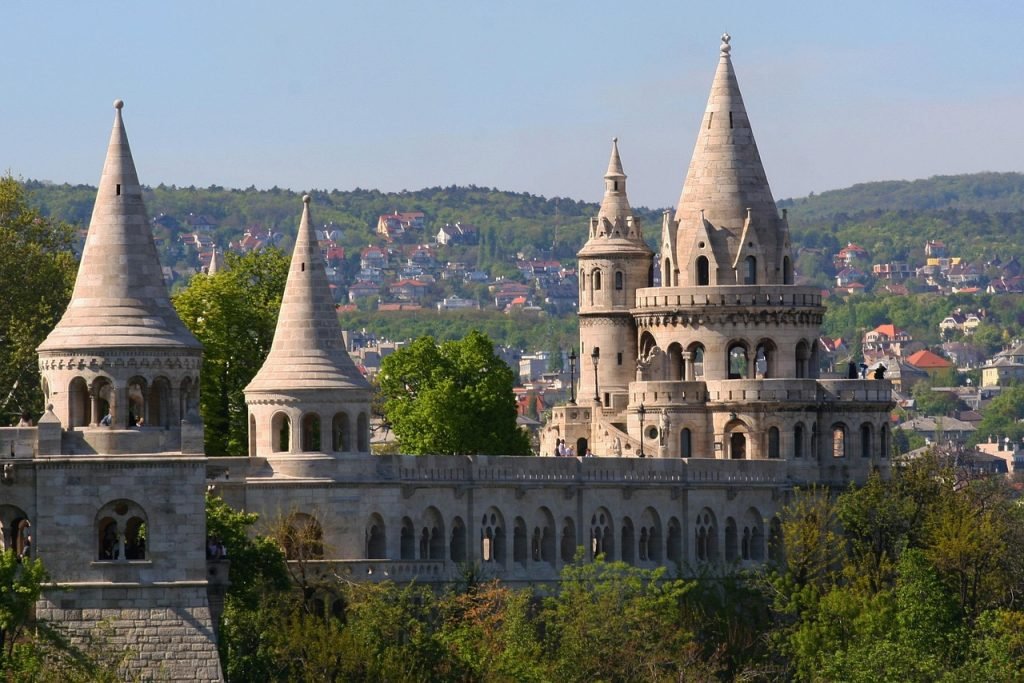
Don’t miss: Matthias Church with its colorful tiled roof and Fisherman’s Bastion’s fairy-tale turrets. Pro tip: Fisherman’s Bastion’s lower terraces are free, while the upper level charges admission for essentially the same views.
Hungarian Parliament Building: Exterior Beauty Trumps Interior Tours
Why it’s iconic: This neo-Gothic masterpiece with its soaring spires and magnificent dome ranks among Europe’s most photographed government buildings.
Real talk: The Parliament’s exterior is absolutely breathtaking, especially when illuminated at night or viewed from the Danube riverbank. The guided interior tours are undeniably impressive, showcasing ornate halls and the Hungarian Crown Jewels, but they often feel rushed and touristy. Unless you’re genuinely passionate about Hungarian political history or have several days to spare, admiring this architectural marvel from outside while exploring nearby cafés and riverside promenades provides equal satisfaction.
Best viewing spots: Danube Promenade, especially during evening golden hour, or from a Danube river cruise.
Városliget (City Park): Budapest’s Cultural Heart
What makes it special: Városliget isn’t just any city park – it’s one of the world’s oldest public parks and serves as Budapest’s cultural epicenter, housing multiple world-class attractions within walking distance.
Originally a royal hunting ground, this sprawling green oasis has evolved into where locals and visitors converge for recreation, culture, and relaxation.
Heroes’ Square (Hősök tere)
The grand entrance to City Park features the iconic Millennium Monument commemorating 1,000 years of Hungarian history, flanked by statues of Hungary’s most significant national leaders and chieftains.
Vajdahunyad Castle: A Fairytale in the City
This enchanting castle, built for the 1896 Millennial Exhibition, deliberately combines Romanesque, Gothic, Renaissance, and Baroque architectural styles from across Hungary’s regions. It houses the Museum of Hungarian Agriculture and features a picturesque chapel that’s popular for weddings.
Széchenyi Thermal Baths: Europe’s Largest Medicinal Bath Complex
The crown jewel of Városliget, these Neo-Baroque thermal baths feature both steamy indoor pools and massive outdoor thermal pools where you can soak year-round – yes, even when snow is falling! With 18 pools, saunas, and wellness treatments, it’s the perfect antidote to sightseeing fatigue.
Additional City Park attractions:
- Budapest Zoo and Botanical Garden (over 1,000 species)
- Boating lake (seasonal ice skating rink in winter)
- House of Music Hungary (stunning contemporary architecture)
- Museum of Fine Arts and Kunsthalle
- Budapest Circus
Important note: Városliget is NOT walking distance from Parliament – it requires a pleasant tram ride through the city, making it perfect for a dedicated half-day or full-day exploration.
Budapest’s Legendary Thermal Bath Culture
Beyond Széchenyi, Budapest boasts several distinctive thermal bathing experiences:
Gellért Baths: Art Nouveau elegance with stunning mosaic interiors and both indoor and outdoor pools.
Rudas Baths: Historic Turkish-era baths featuring an atmospheric Ottoman dome, traditional steam rooms, and a modern rooftop infinity pool with panoramic city views.
Local insight: Thermal bathing is serious business in Budapest – these aren’t just tourist attractions but genuine wellness destinations that locals frequent year-round for health and relaxation.
Great Market Hall (Nagyvásárcsarnok): Tourist Trap or Authentic Experience?
The truth: This beautiful 19th-century market hall with its striking iron architecture and colorful roof tiles is genuinely worth visiting, but approach it strategically.
What works: Fantastic for sampling Hungarian specialties like lángos (fried flatbread), purchasing quality paprika and local spices, and admiring the stunning architecture.
What doesn’t: Many food stalls cater primarily to tourists with inflated prices. For authentic, affordable Hungarian meals, venture to neighborhood Ételbár, Étközde, or Kifőzde restaurants instead.
Opening hours: Monday-Saturday 6:00 AM-6:00 PM, closed Sundays.
Additional Must-Experience Budapest Highlights
St. Stephen’s Basilica: Climb the dome for 360-degree city panoramas and visit Hungary’s most sacred relic.
Jewish Quarter: Explore Europe’s largest synagogue and discover Budapest’s famous ruin bars – uniquely Hungarian nightlife venues built in abandoned buildings.
Margaret Island: A car-free oasis in the Danube River, perfect for jogging, cycling, or peaceful strolls among Japanese gardens and musical fountains.
Eating Like a Local in Budapest: The Secret to Authentic Hungarian Cuisine
Here’s what guidebooks won’t tell you: the best Hungarian food isn’t found in tourist-heavy restaurants near major attractions. Monday through Friday, locals flock to unpretentious neighborhood eateries called Ételbár, Étközde, or Kifőzde – essentially Hungarian equivalent of mom-and-pop diners.
These humble establishments serve generous portions of authentic Hungarian comfort food at remarkably affordable prices. Think rich, paprika-laden goulash that actually resembles what Hungarians eat (spoiler: it’s usually a soup, not a stew), tender stuffed cabbage (töltött káposzta), crispy schnitzel, and hearty chicken paprikash.
Why this matters: Not only will you save money and eat better food, but you’ll also experience genuine Hungarian hospitality and culture while avoiding tourist trap restaurants that serve mediocre “international” versions of Hungarian classics.
Budget impact: Expect to pay 1,500-3,000 HUF ($4-8 USD) for a complete meal including soup, main course, and drink at local spots versus 4,000-8,000 HUF ($11-22 USD) at tourist restaurants.
Essential Budapest Travel Apps That Actually Help
Budapest Go: Your comprehensive digital companion for public transportation schedules, interactive maps, attraction information, ticket purchasing, and real-time updates. This locally-developed app eliminates navigation stress and helps you move around Budapest like a resident.
Bolt: Reliable, affordable ride-sharing service that’s particularly valuable for late-night transportation when public transit becomes less frequent, or when you’re carrying shopping bags and don’t want to navigate crowded trams.
Your Perfect 3-Day Budapest Itinerary: Tested and Refined
Day 1: Buda’s Royal Heritage and Danube Magic
Morning (9:00 AM – 12:00 PM): Begin your Budapest adventure on Castle Hill, exploring the free Buda Castle grounds where Habsburg royalty once lived. Wander the atmospheric cobblestone streets, photograph the medieval and Baroque architecture, and visit the remarkable Matthias Church with its distinctive colorful tiled roof. Don’t miss Fisherman’s Bastion – the lower terraces offer the same spectacular Danube views as the paid upper level.
Afternoon (12:00 PM – 5:00 PM): Descend via the historic funicular railway and stroll the peaceful Danube Promenade. Pay respects at the moving Shoes on the Danube memorial, commemorating Holocaust victims. Explore the charming streets of central Buda and perhaps grab lunch at a local restaurant away from the castle area crowds.
Evening (5:00 PM onwards): As the sun begins to set, embark on a Danube river cruise to witness Budapest’s illuminated Parliament, bridges, and riverside architecture. The city’s nickname “Pearl of the Danube” becomes crystal clear as golden light reflects off the water.
Day 2: Pest’s Urban Energy and Thermal Relaxation
Morning (9:00 AM – 12:00 PM): Start at the magnificent Parliament building, admiring its neo-Gothic spires from the riverside. Walk to St. Stephen’s Basilica and climb the dome for breathtaking 360-degree city views that rival any observation deck.
Lunch (12:00 PM – 1:00 PM): Here’s where you implement your local dining strategy – find a nearby Ételbár or Kifőzde for an authentic, budget-friendly Hungarian meal that locals actually eat.
Afternoon (1:00 PM – 6:00 PM): Take the tram to Széchenyi Thermal Baths in City Park for the quintessential Budapest experience. Soak in mineral-rich thermal waters while surrounded by stunning Neo-Baroque architecture. This is particularly magical if you’re visiting during cooler months when steam rises from outdoor pools into crisp air.
Evening (6:00 PM onwards): Explore the atmospheric Jewish Quarter, visiting the Great Synagogue (Europe’s largest) and discovering Budapest’s legendary ruin bars – uniquely Hungarian nightlife venues housed in formerly abandoned buildings.
Day 3: Green Spaces and Authentic Local Life
Morning (9:00 AM – 12:00 PM): Escape to car-free Margaret Island in the middle of the Danube River. Rent bikes, stroll through Japanese gardens, listen to the musical fountain, or simply relax on benches while watching locals jog and families picnic.
Afternoon (12:00 PM – 5:00 PM): Return to Városliget (City Park) to explore Heroes’ Square and its impressive Millennium Monument. Depending on your interests, visit the whimsical Vajdahunyad Castle, Budapest Zoo, or simply enjoy the park’s lakes and gardens. If you’re visiting in winter, the lake transforms into a enchanting ice skating rink.
Evening (5:00 PM onwards): Conclude your Budapest journey with dinner at a traditional Hungarian restaurant (research local recommendations rather than tourist strips) and an evening stroll down elegant Andrássy Avenue, Budapest’s answer to the Champs-Élysées.
Practical Budapest Travel Information You Actually Need
Transportation Tips
- BKK 72-hour tourist pass covers all public transport including metro, trams, and buses
- Trams 4 and 6 run along the Grand Boulevard and connect major neighborhoods
- Metro Line 1 (yellow) is a UNESCO World Heritage site and connects downtown to City Park
- River taxis offer scenic transportation between Buda and Pest
Budget Expectations (2024 prices)
- Accommodation: €30-80/night for quality guesthouses or mid-range hotels
- Meals: €4-8 at local eateries, €15-25 at tourist restaurants
- Attractions: Many outdoor spaces are free; museum entries typically €8-15
- Thermal baths: €20-30 for day passes
Climate Considerations
Summer (June-August): Hot and sometimes humid, perfect for outdoor thermal pools and evening Danube cruises. Pack lightweight, breathable clothing and a water bottle.
Winter (December-February): Cold but magical, especially at thermal baths where you can soak in steamy outdoor pools while snow falls around you.
Why This Budapest Itinerary Actually Works
After countless conversations with fellow travelers and locals, I’ve learned that the most memorable Budapest experiences happen when you balance planned sightseeing with spontaneous discovery. This itinerary intentionally includes breathing room for unplanned moments – whether that’s lingering longer at a thermal bath, discovering a hidden courtyard café, or striking up conversations with friendly Hungarians.
The key to loving Budapest isn’t seeing everything; it’s choosing meaningful experiences and allowing the city’s unique atmosphere to work its magic on you. Sometimes the most profound travel moments happen not inside famous monuments, but while sipping coffee on a quiet street corner, watching daily life unfold around you.
Budapest rewards travelers who approach it with curiosity rather than a checklist mentality. Trust me – slow down, breathe deeply, and let this remarkable city reveal its secrets to you naturally. That’s when the real magic happens.
Ready to plan your Budapest adventure? Save this guide, download those essential apps, and prepare for a Hungarian capital experience that goes far beyond typical tourist itineraries. Budapest is waiting to surprise you.