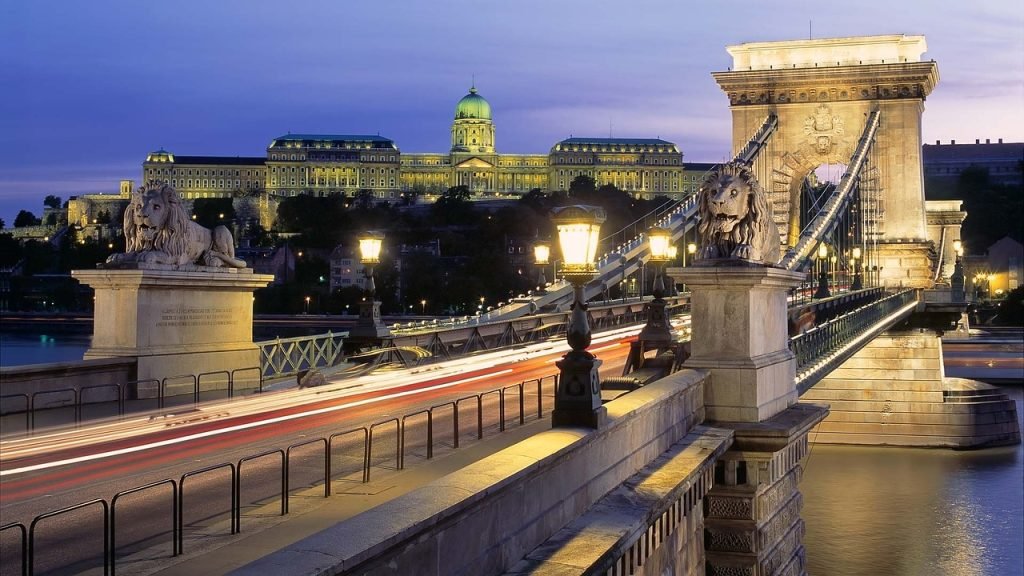
Planning a trip to Budapest? After countless hours exploring every corner of this magnificent city, I’m sharing the unvarnished truth about when to visit, what locals really think, and how to navigate like a pro.
Budapest isn’t just another European capital—it’s a city that genuinely transforms you. From soaking in centuries-old thermal baths while snow falls outside to dancing until sunrise in world-famous ruin pubs, this Hungarian gem offers experiences you simply can’t find anywhere else. But here’s what most travel guides won’t tell you: timing, cultural awareness, and transportation savvy can make or break your Budapest experience.
Best Time to Visit Budapest: The Real Story Behind Each Season
Spring in Budapest (March-May): The Sweet Spot Most Tourists Miss
Why Spring is Actually Budapest’s Best-Kept Secret
While everyone flocks to Budapest in summer, spring offers something magical that peak season simply can’t match. Picture this: the iconic Hungarian Parliament Building reflecting in the Danube without crowds blocking your view, Széchenyi Thermal Baths where you can actually relax without fighting for space, and restaurant terraces where locals still outnumber tourists.
What to Expect:
- Weather: Temperatures gradually climb from 10°C to 20°C (50°F to 68°F)
- Crowds: 40-50% fewer tourists than summer months
- Prices: Hotel rates can be 30% lower than peak season
- Unique Experiences: Cherry blossoms in City Park, Easter markets, and the famous Budapest Spring Festival
Insider Tip: Book accommodations in March for the best rates, but aim for April-May visits when the weather is most reliable.
Summer in Budapest (June-August): Festival Paradise with a Price
The Truth About Budapest’s Peak Season
Summer Budapest is intoxicating but overwhelming. Yes, you’ll experience the legendary Sziget Festival, outdoor cinema screenings by the Danube, and thermal bath parties under the stars. But you’ll also encounter stifling 35°C+ (95°F+) heat, accommodation prices that can triple, and attractions so crowded that a simple visit to Fisherman’s Bastion becomes an exercise in patience.
Summer Survival Strategy:
- Book 3-4 months ahead or expect to pay premium prices
- Visit major attractions before 9 AM or after 6 PM
- Embrace the thermal bath culture – they’re perfect for cooling off
- Pack light, breathable clothing and always carry water
Hidden Summer Gems:
- Margit Island’s musical fountains (evening shows)
- Rooftop bars in the Jewish Quarter
- Late-night food markets in Pest
Autumn in Budapest (September-November): The Photographer’s Dream
Why Locals Consider Autumn Budapest’s Most Beautiful Season
If you want to see Budapest through a local’s eyes, come in autumn. The city sheds its summer chaos and reveals its sophisticated soul. Wine harvest season brings incredible Hungarian wines to the forefront, while the changing leaves turn Buda Hills into a golden masterpiece.
Autumn Advantages:
- Perfect Weather: Crisp 15-20°C (59-68°F) days, ideal for walking
- Wine Season: Prime time for Hungarian wine festivals and cellar tours
- Cultural Peak: Opera season begins, museums host special exhibitions
- Photography Gold: Golden hour lighting and autumn foliage create Instagram magic
Don’t Miss: The Budapest Wine Festival in September and the International Film Festival in October.
Winter in Budapest (December-February): Thermal Bath Bliss
The Cozy Side of Budapest Most Travelers Never See
Winter Budapest is for the souls who appreciate authenticity over convenience. While some outdoor attractions close and temperatures drop to -5°C (23°F), the city transforms into something ethereally beautiful. Christmas markets fill with the aroma of kürtőskalács (chimney cake), thermal baths steam dramatically in the cold air, and historic buildings glow warmly against gray skies.
Winter Magic:
- Christmas Markets: Some of Europe’s most atmospheric
- Thermal Baths: Absolutely magical in cold weather
- Cultural Immersion: Fewer tourists mean more authentic local experiences
- Budget-Friendly: Lowest accommodation and flight prices
Hungarian People and Culture: What You Really Need to Know
The Real Hungarian Character (Beyond Tourist Stereotypes)
Forget the outdated “Hungarians are unfriendly” stereotype. The truth is more nuanced and infinitely more interesting. Hungarians are incredibly proud of their unique culture—and they have every right to be. Their language shares roots with Finnish and Estonian (not Slavic languages like many assume), they’ve survived centuries of foreign occupation while maintaining their distinct identity, and they’ve contributed disproportionately to science, arts, and innovation.
Cultural Intelligence for Smart Travelers:
Language Efforts Matter Immensely
Learning just five Hungarian phrases will transform your experience:
- “Jó napot” (YO nah-pot) – Good day
- “Köszönöm” (KUH-suh-num) – Thank you
- “Elnézést” (EL-nay-zaysht) – Excuse me
- “Egészségére” (EG-aysh-shay-gay-reh) – Cheers
- “Szuper” (SOO-per) – Great/Super
The Hungarian Approach to Service
Hungarian service culture values competence over performative friendliness. Your waiter won’t constantly check on you (it’s considered intrusive), but they’ll remember your order perfectly and bring exactly what you asked for. Don’t interpret efficient service as rudeness—it’s actually respect for your privacy.
Social Navigation Tips:
- Personal Space is Sacred: Stand arm’s length apart in conversations
- Punctuality is Respect: Arrive exactly on time, not early or late
- Tipping Etiquette: 10% in restaurants, round up for taxis, 200-300 HUF for hotel housekeeping
- Public Transport Courtesy: Offer seats to elderly, keep conversations quiet, move to the center of vehicles
What Locals Really Think About Tourists
Honest perspective: Hungarians appreciate tourists who show genuine interest in their culture rather than treating Budapest as a cheap party destination. They’re proud when visitors try their language, visit beyond the obvious tourist spots, and show respect for local customs.
Instant Local Respect Points:
- Visit a traditional Hungarian restaurant (not tourist traps on Váci utca)
- Learn about Hungarian history beyond just the baths and bars
- Support local businesses in residential neighborhoods
- Show interest in Hungarian wine, paprika, or traditional crafts
Budapest Public Transportation: Your Complete Survival Guide
Metro System Mastery: Beyond Basic Navigation
Budapest’s metro system is efficient, historic, and absolutely essential for smart travel. But here’s what guidebooks don’t tell you: the devil is in the details, and those details can save you time, money, and embarrassment.
Metro Line Insider Knowledge:
- M1 (Yellow Line): Historic UNESCO World Heritage line, perfect for major tourist attractions
- M2 (Red Line): Connects Pest and Buda, essential for Parliament to Castle Hill travel
- M3 (Blue Line): Longest line, connects airport via transfer, serves local neighborhoods
- M4 (Green Line): Newest and most modern, connects Southern Railway Station to Keleti
Ticket Validation: The Make-or-Break Detail
Even with digital tickets, validation is mandatory. Here’s the insider system:
- Paper Tickets: Punch immediately upon entering metro stations or boarding buses/trams
- Digital Tickets (Budapest Go app): Scan QR code at validators, even if you purchased online
- Monthly/Weekly Passes: Still require validation for the first use
Validation Locations:
- Metro: Orange machines at station entrances (before platforms)
- Buses/Trams: Machines near doors (front and middle of vehicle)
- Failure to validate results in 16,000 HUF (~€43) fines—no exceptions for tourists
Ticket Strategy for Smart Travelers
Cost-Benefit Analysis:
- Single Ticket (350 HUF/€0.90): Only if making 1-2 trips per day
- 24-Hour Pass (1,650 HUF/€4.50): Break-even point: 5 trips
- 72-Hour Pass (4,150 HUF/€11.50): Best value for 3+ day stays with multiple daily trips
- Weekly Pass (4,950 HUF/€13.50): Worth it for stays over 4 days
Money-Saving Insider Tip: Buy multi-day passes even if you’re not sure you’ll use them. The peace of mind and spontaneous travel flexibility often justify the cost.
Buses and Trams: Covering Budapest’s Hidden Gems
The metro gets you to major attractions, but buses and trams unlock authentic Budapest experiences in residential neighborhoods, local markets, and lesser-known cultural sites.
Essential Non-Metro Routes:
- Tram 2: Runs along the Danube, arguably Europe’s most scenic tram route
- Bus 16: Connects Deák Ferenc tér to Castle Hill (easier than walking uphill)
- Tram 4 & 6: Grand Boulevard circuit, passes Great Market Hall and local neighborhoods
- Bus 7: Reaches Keleti Railway Station and eastern residential areas
Taxi and Ride-Sharing: Avoiding Tourist Traps
The Yellow Taxi Scam (Still Happening in 2025)
Despite regulations, unlicensed yellow “freelance” taxis still target tourists with astronomical rates. A 5-minute ride shouldn’t cost €30—that’s the scam rate.
Safe Transportation Options:
- Bolt: Cheapest and most reliable, widely used by locals
- Uber: Available but slightly more expensive than Bolt
- Licensed Taxi Companies: főTaxi, City Taxi (call ahead or use apps)
- Airport Transfer: MiniBUD or official airport shuttles
Cost Comparison (Airport to City Center):
- 100E Bus: 2,200 HUF (~€6) – Most economical
- Bolt: 4,000-6,000 HUF (~€11-16) – Best balance of price/convenience
- Licensed Taxi: 10,800 HUF (~€29) – Most expensive but direct
- Tourist Trap Taxi: 15,000+ HUF (~€40+) – Avoid at all costs
Airport to City: Your First Budapest Decision
100E Airport Express: The Local’s Choice
The 100E bus isn’t just transportation—it’s your introduction to Hungarian efficiency. Running 24/7 with departures every 6-10 minutes during peak hours, this direct service gets you to Deák Ferenc tér (city center) in 40-45 minutes for just €6.
100E Pro Tips:
- Buy tickets before boarding: Airport machines, Budapest Go app, or BKK customer service
- Validate immediately: Fine inspectors frequently check this route
- Seat Strategy: Right side offers better city views approaching downtown
- Luggage Space: Limited, so board early if carrying large bags
Alternative Route Strategy:
Bus 200E + Metro (1,250 HUF total) takes 45-55 minutes but requires transfer at Kőbánya-Kispest. Only choose this option if you enjoy public transport adventures or want to save €3.
Essential Apps and Digital Tools for Budapest
Budapest Go App: Your Digital Budapest Companion
This isn’t just another tourist app—it’s genuinely useful for locals too. Real-time transport information, ticket purchases, attraction discounts, and offline maps make this essential for any Budapest visit.
Beyond Basic Features:
- Real-Time Delays: Know if your tram is running late
- Route Planning: Combines walking, metro, bus, and tram for optimal routes
- Tourist Discounts: Often includes 10-15% off major attractions
- Offline Functionality: Download maps for areas with poor cell coverage
Practical Insider Tips for Budapest Success
Neighborhood Strategy: Where to Stay vs. Where to Explore
Best Areas for Accommodation:
- District V (Belváros-Lipótváros): Central but touristy and expensive
- District VI (Terézváros): Perfect balance of local life and tourist access
- District VII (Erzsébetváros – Jewish Quarter): Nightlife hub, can be noisy
- District I (Castle District): Romantic but removed from daily conveniences
- District XIII (Újlipótváros): Local favorite, great restaurants, easy metro access
Money and Payment Reality Check
Currency: Hungarian Forint (HUF), not Euro
Card Acceptance: Widespread in tourist areas, but carry cash for local markets, small restaurants, and public toilets
ATM Strategy: Use bank ATMs (avoid “Euronet” – high fees), withdraw larger amounts to minimize transaction fees
Tipping: 10-15% it’s ok, better by cash, sometimes it’s already included in the bill. Just ask for confirmation.
Safety and Common Sense
Budapest is generally very safe, but tourist-targeted scams exist:
- Overpriced Bar Scam: Attractive locals invite tourists to “local” bars with €100+ bills
- Fake Police: Real Hungarian police have proper ID and won’t demand immediate fines
- Restaurant Bill Padding: Always check itemized bills, especially in tourist areas
- Pickpocketing: Standard big-city precautions, especially on crowded transport
Final Thoughts: Making Budapest Yours
Budapest rewards travelers who approach it with curiosity rather than a checklist mentality. Yes, visit the Parliament Building and soak in Széchenyi Baths, but also wander through residential streets, try Hungarian wines you can’t pronounce, and engage with locals who are proud to share their incredible city.
The difference between a good Budapest trip and an unforgettable one often comes down to small details: validating your transport tickets properly, learning a few Hungarian phrases, choosing spring over summer for your visit, and treating the city like a place where people actually live rather than just a tourist playground.
Budapest isn’t trying to impress you with flashy marketing or manufactured experiences. It’s simply being itself—complex, beautiful, historic, and utterly unique. Meet it halfway, and it will reward you with memories that last a lifetime.
Ready to explore Budapest like an insider? Start planning with this guide, but remember: the best Budapest experiences are often the ones you stumble upon when you’re confident enough to wander off the beaten path.