Picture this: You’re standing in the legendary Hall of Mirrors, surrounded by 357 gleaming mirrors reflecting infinite images of baroque splendor, while sunlight streams through towering windows overlooking manicured gardens that stretch to the horizon. This isn’t just any tourist attraction – this is Versailles, the ultimate symbol of French royal power and artistic achievement.
But here’s the honest truth: Versailles can either be the highlight of your Paris trip or a frustrating, overcrowded disappointment. The difference lies entirely in how you plan your visit. After multiple visits and plenty of trial and error (including one disastrous rainy day when we underestimated both the crowds and the sheer scale of the estate), I’ve learned exactly what works and what doesn’t when it comes to experiencing this UNESCO World Heritage site properly.
This comprehensive 2025 guide isn’t just another generic travel article filled with obvious advice. It’s a detailed roadmap based on real experiences, insider tips, and honest assessments that will help you navigate everything from train schedules to secret garden spots. Whether you’re a history enthusiast, art lover, or simply someone who appreciates extraordinary beauty, this guide will ensure your Versailles experience exceeds expectations while avoiding the common pitfalls that trip up thousands of visitors daily.
Why Versailles Deserves Your Full Attention (And an Entire Day)
The Palace of Versailles isn’t just a tourist attraction – it’s a living testament to 350 years of French history, artistic achievement, and political drama. This extraordinary estate served as the epicenter of European politics from 1682 to 1789, witnessing everything from glittering royal ceremonies to the revolutionary upheaval that changed the course of world history.
The staggering scale: The estate encompasses over 800 hectares (nearly 2,000 acres) of meticulously designed spaces, including the opulent main palace, the formal gardens with their 50 fountains, the intimate Trianon palaces, and Marie Antoinette’s whimsical Hamlet village. To put this in perspective, you could spend weeks exploring every corner and still discover new details.
Architectural and artistic mastery: Every surface tells a story through masterful craftsmanship. The palace houses over 60,000 artworks, including paintings by masters like Le Brun and Rigaud, intricate tapestries, and furniture pieces that represent the pinnacle of French decorative arts. The gardens themselves are an outdoor museum of landscape architecture, designed by André Le Nôtre to showcase human mastery over nature.
Historical significance: This is where Louis XIV proclaimed “L’État, c’est moi” (I am the state), where Marie Antoinette retreated from royal duties, and where the Treaty of Versailles was signed in 1919, officially ending World War I. Walking these halls means literally following in the footsteps of kings, queens, diplomats, and revolutionaries who shaped European history.
Getting to Versailles from Paris: Your Complete Transportation Guide
The RER C Train: Your Best Bet for Budget and Convenience
Route details: The RER C line provides the most straightforward and budget-friendly route to Versailles. Board at any central Paris station – Saint-Michel Notre-Dame (near the Latin Quarter), Musée d’Orsay (perfect if you’re staying near the Louvre), or Champ de Mars Tour Eiffel (convenient from the 7th arrondissement).
Journey specifics: The 45-60 minute journey takes you through increasingly suburban landscapes, offering glimpses of Parisian life beyond the tourist centers. Trains run approximately every 15 minutes during peak hours, every 30 minutes during off-peak times.
The final approach: Disembark at Versailles Château Rive Gauche station (not Versailles Chantiers – a common tourist mistake). From there, enjoy a pleasant 10-minute walk through tree-lined streets with clear palace signage. The walk itself builds anticipation as you catch your first glimpses of the palace’s golden gates.
Cost breakdown: Round-trip tickets cost approximately €7.10 per person – exceptional value considering you’re traveling from central Paris to one of France’s most important cultural sites.
Alternative Transportation Options: When to Consider Them
Guided tour packages: Many companies offer comprehensive packages including round-trip transportation, skip-the-line access, and expert guides. These typically cost €80-150 per person but can be worthwhile if you prefer structured experiences or are traveling during peak season when individual ticket availability becomes challenging.
Private car services: For groups of 4+ or travelers with mobility concerns, private transfers offer door-to-door convenience but cost significantly more (€150-300 depending on group size and service level).
Alternative train lines: Lines L (from Saint-Lazare) and N (from Montparnasse) serve Versailles but require transfers and longer journey times. These routes make sense only if you’re staying in specific Paris neighborhoods where they’re more convenient.
Versailles Entrance Fees and Ticket Strategy: Maximizing Value While Avoiding Crowds
Understanding Versailles’s complex ticketing system is crucial for both budget management and crowd avoidance. The estate offers multiple ticket types, each providing access to different areas and experiences.
Ticket Types and What They Include
Palace Passport (€20): The most popular and comprehensive option, including access to the main palace, gardens, Grand Trianon, Petit Trianon, and Marie Antoinette’s estate. This represents excellent value considering individual attraction costs.
Palace + Gardens ticket (varies by season): During Musical Fountain Show days (typically weekends from April to October), garden access requires a separate ticket (€10-12) in addition to palace admission.
Free admission opportunities: EU residents under 26 years old receive free access to the palace and permanent exhibitions. However, special exhibitions and Musical Fountain Shows still require paid tickets.
Advanced Booking Strategies
Online booking advantages: Purchasing tickets online guarantees entry and allows you to skip the often lengthy ticket purchase lines. During peak season (June-August), same-day tickets can sell out entirely.
Timing considerations: Morning time slots (9:00-11:00 AM) provide the best experience with smaller crowds and optimal lighting for photography. Afternoon slots often coincide with tour group arrivals, significantly increasing crowd density.
Mobile tickets: Download tickets to your phone for convenience, but always have backup screenshots in case of connectivity issues within the palace.
How Much Time You Really Need: Setting Realistic Expectations
One of the biggest mistakes visitors make is underestimating the time required to properly experience Versailles. This isn’t a quick photo stop – it’s an immersive cultural experience that rewards patience and thorough exploration.
Palace Interior: 2.5-3.5 Hours for Proper Appreciation
The State Apartments: These seven magnificent rooms showcase the apex of French decorative arts. Each room is dedicated to a Roman god and features stunning ceiling paintings, intricate parquet floors, and priceless furniture. Allow 45-60 minutes for thoughtful exploration.
Hall of Mirrors (Galerie des Glaces): The palace’s crown jewel deserves at least 30 minutes. The hall’s 357 mirrors were revolutionary luxury items in the 17th century, and the space hosted crucial historical events including treaty signings and royal celebrations.
Royal Apartments: The King’s and Queen’s private chambers offer intimate glimpses into royal daily life. The Queen’s bedroom, where royal births were public spectacles, and the King’s lever ceremonies provide fascinating insights into court protocol.
Hidden gems: Don’t miss the Royal Opera House, a architectural marvel that many visitors skip, and the Gallery of Battles, showcasing France’s military history through massive paintings.
Gardens and Grounds: Half-Day Adventure Minimum
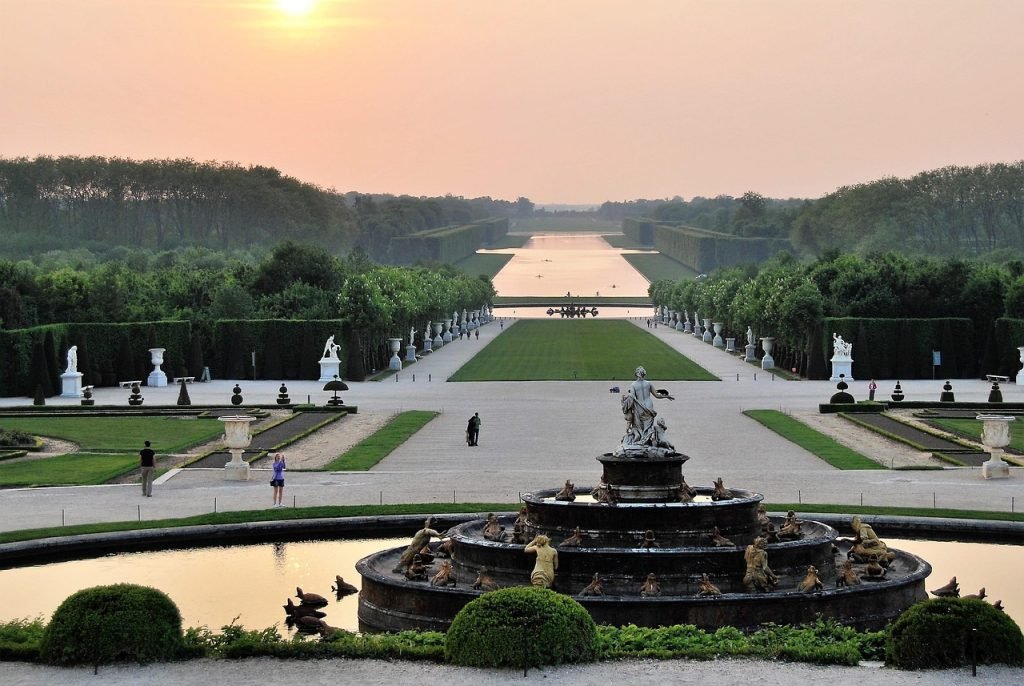
Formal gardens: André Le Nôtre’s masterpiece requires 2-3 hours for proper appreciation. The geometric precision, seasonal flower displays, and strategically placed sculptures create an outdoor art gallery spanning hundreds of acres.
The Grand Canal: This massive artificial waterway (1.67 km long) served as both decoration and entertainment venue, hosting naval demonstrations and water festivals. Walking its perimeter provides excellent palace views and photo opportunities.
Grove exploration: The 14 groves (bosquets) are hidden garden rooms, each with unique themes and seasonal accessibility. The Ballroom Grove and Apollo’s Bath are particularly stunning and often less crowded than main garden areas.
Trianon Estates: Marie Antoinette’s Private World (1.5-2 Hours)
Grand Trianon: Louis XIV’s pink marble retreat showcases a more intimate royal lifestyle. The palace’s single-story design and French garden integration create a completely different atmosphere from the main palace’s imposing grandeur.
Petit Trianon: Marie Antoinette’s personal domain tells the story of a queen seeking simplicity amid royal excess. The neoclassical architecture and English-style gardens reflect changing 18th-century tastes.
The Queen’s Hamlet: Perhaps Versailles’s most charming area, this reconstructed peasant village allowed Marie Antoinette to play at rustic life. The thatched cottages, working farm, and mill create an almost fairy-tale atmosphere that children particularly love.
Unmissable Versailles Experiences: Beyond the Obvious Tourist Trail
Musical Fountain Shows: When Gardens Come Alive
The spectacle: From late March through October, weekend Musical Fountain Shows (Grandes Eaux Musicales) transform the gardens into a baroque entertainment extravaganza. Period music synchronized with dancing fountains creates an experience that closely resembles how royalty would have enjoyed the gardens centuries ago.
Strategic viewing: Arrive early to secure prime viewing spots at major fountain groupings like the Latona Fountain and the Apollo Fountain. The shows run continuously from 11:00 AM to 6:00 PM, allowing flexible exploration.
Night shows: Summer evening fountain shows add dramatic lighting and occasional fireworks, creating an almost magical atmosphere. These events require separate tickets but provide unforgettable memories.
Hidden Garden Treasures Most Visitors Miss
The Orangery: This architectural marvel houses over 1,000 orange trees and other exotic plants during winter months. The basement galleries often host temporary exhibitions in a unique setting.
The Queen’s Grove: A secluded garden area perfect for quiet reflection, often overlooked by tour groups focused on major attractions.
Seasonal garden experiences: Spring brings spectacular blooming displays, summer offers full fountain operations, autumn provides stunning foliage colors, and winter reveals the garden’s structural beauty without crowds.
Rowboating on the Grand Canal: A Royal Perspective
The experience: Renting a rowboat on the Grand Canal offers a unique perspective of the palace and gardens while providing a peaceful break from walking. The experience connects you to centuries of royal water entertainment, from Louis XIV’s miniature naval battles to elaborate water festivals.
Practical details: Boats accommodate 2-4 people and cost approximately €18-25 for 30-60 minutes. The activity is weather-dependent and most enjoyable during spring and summer months.
Photography opportunities: The canal provides exceptional palace views for photography, especially during golden hour when the setting sun illuminates the palace’s western facade.
Insider Tips for Visiting Versailles Like a Pro
Timing Strategies That Actually Work
Seasonal considerations:
- Spring (April-May): Perfect weather, blooming gardens, but increasing crowds
- Summer (June-August): Full fountain operations, longest hours, maximum crowds
- Fall (September-October): Beautiful autumn colors, fewer crowds, mild weather
- Winter (November-March): Shortest crowds, reduced hours, limited fountain operations
Daily timing secrets: Tuesday through Thursday typically offer the best crowd-to-experience ratio. Mondays see weekend overflow, while weekends bring maximum tourist groups.
Weather backup plans: Indoor palace exploration works perfectly during rainy weather, while garden visits require sunny conditions for optimal enjoyment. Check weather forecasts and adjust your itinerary accordingly.
Budget Optimization Strategies
Dining economics: Palace restaurants charge premium prices for average food. Smart visitors pack elaborate picnics to enjoy in designated garden areas, saving €30-50 per person while enhancing the outdoor experience.
Photography and souvenir savings: Professional photography restrictions inside the palace mean phone cameras work fine for personal memories. Garden photography, however, offers unlimited opportunities for stunning shots.
Combination ticket value: The Palace Passport provides exceptional value compared to individual attraction tickets. Even if you’re not sure about visiting the Trianons, the small additional cost makes it worthwhile for flexibility.
Practical Comfort Considerations
Footwear reality: Versailles involves serious walking – often 5-8 miles for a comprehensive visit. Comfortable, broken-in shoes are absolutely essential. The palace’s parquet floors can be slippery, and garden paths include gravel, grass, and occasional muddy areas.
Bag storage: Security restrictions prohibit large bags inside the palace. Arrive with minimal belongings or use the paid bag check service near the entrance.
Weather preparedness: French weather changes quickly. Bring layers for changing conditions and remember that much of your day will be outdoors in the gardens.
What to Avoid at Versailles: Common Mistakes That Ruin Visits
Timing and Planning Mistakes
The rushed visit trap: Attempting to “see” Versailles in 3-4 hours results in a superficial, exhausting experience. The estate demands time and patience for proper appreciation.
Peak hour transportation: Taking the RER C during Parisian rush hours (8-9 AM, 5-7 PM) means crowded, uncomfortable trains. Plan departures for mid-morning or early afternoon when possible.
Ignoring weather forecasts: Garden visits during heavy rain or extreme heat significantly diminish the experience. Have flexible backup plans or reschedule if necessary.
Crowd and Queue Management
Weekend warrior syndrome: Saturday and Sunday visits guarantee maximum crowds, especially during summer months. If weekend visits are unavoidable, arrive at opening time for the best experience.
Tour group timing: Large tour groups typically arrive between 10:00 AM and 2:00 PM. Starting early or staying late helps avoid peak congestion periods.
Photography frustration: The Hall of Mirrors becomes virtually impossible to photograph properly during peak hours due to crowd density. Early morning or late afternoon visits provide better opportunities.
Financial and Logistical Oversights
Hidden costs: Restaurant meals, audio guides, boat rentals, and special exhibition tickets can quickly add €50-80 per person to your base ticket price. Budget accordingly or plan alternatives.
Transportation oversights: Missing the last RER C train back to Paris (typically around 11:30 PM) means expensive taxi rides or complicated bus connections. Always check return schedules before departing.
The Complete Versailles Experience: A Hour-by-Hour Itinerary
8:00 AM: Departure from Paris
Board the RER C from your chosen station, aiming to arrive at Versailles around 9:00 AM when the palace opens. Early departure means comfortable seating and peaceful train journey.
9:00-9:30 AM: Arrival and Entry Strategy
Walk from the station to the palace entrance, collecting any pre-purchased tickets or purchasing on-site if necessary. Security screening is thorough but efficient during early morning hours.
9:30 AM-12:30 PM: Palace Interior Deep Dive
Begin with the State Apartments, working systematically through each room while crowds are lightest. The Hall of Mirrors deserves extended time for photography and reflection. Audio guides provide essential context that transforms impressive rooms into compelling historical narratives.
12:30-1:30 PM: Garden Picnic Break
Enjoy lunch in the gardens’ designated picnic areas. This strategy saves money while providing rest before afternoon exploration. The formal garden’s geometric patterns look spectacular from elevated picnic spots.
1:30-4:00 PM: Garden and Grove Exploration
Explore the formal gardens, focusing on major fountain groups and seasonal highlights. If visiting during Musical Fountain Show days, plan your route around the performance schedule to maximize both movement and viewing opportunities.
4:00-5:30 PM: Trianon Estate Discovery
Visit the Grand Trianon and Petit Trianon, concluding with Marie Antoinette’s Hamlet. These areas provide welcome contrast to the main palace’s formality and offer insight into more intimate royal life.
5:30-6:00 PM: Final Garden Stroll and Departure Preparation
Use remaining time for any missed garden areas or return visits to favorite spots. Begin walking toward the station by 6:00 PM to avoid evening rush hour crowds on the return journey.
Budget Breakdown: What Versailles Really Costs in 2025
Essential Costs
- Palace Passport ticket: €20 per person (free for EU residents under 26)
- Round-trip RER C train: €7.10 per person
- Audio guide (recommended): €8 per person
Minimum budget: €35 per person for basic comprehensive access
Optional Enhancements
- Musical Fountain Show supplement: €10-12 per person on show days
- Guided tour upgrade: €25-45 per person for specialized tours
- Dining at palace restaurants: €25-45 per person for lunch
- Boat rental on Grand Canal: €18-25 per boat (2-4 people)
- Special exhibitions: €15-20 per person when available
Enhanced experience budget: €60-90 per person including optional activities
Money-Saving Strategies That Work
- Picnic preparation: Quality picnic ingredients from Parisian markets cost €10-15 per person versus €25-45 for restaurant meals
- Free garden days: Visit on non-fountain show days for free garden access
- Group discounts: Some tour operators offer reduced rates for groups of 6+
- Off-season benefits: Winter visits offer reduced accommodation costs in Paris and less crowded experiences
What to Avoid at Versailles: Learning from Common Tourist Mistakes
Transportation and Timing Blunders
The wrong station mistake: Versailles has multiple train stations. Always use Versailles Château Rive Gauche for palace visits, not Versailles Chantiers which requires additional bus connections.
Rush hour transportation: Traveling during Parisian rush hours means standing room only on crowded trains with luggage and tired tourists. Plan departures for 10:00 AM or later for comfortable seating.
Underestimating return journey time: Factor in garden-to-station walking time (15-20 minutes from distant garden areas) plus 60-minute train journey when planning your Paris evening activities.
Crowd and Experience Management
The gift shop bottleneck: The palace exit forces visitors through extensive gift shops, creating congestion and pressure to purchase overpriced souvenirs. Set clear souvenir budgets beforehand or plan purchases for less crowded Paris locations.
Photography frustration: Attempting to photograph the Hall of Mirrors during peak hours (11:00 AM-3:00 PM) results in pictures filled with tourists rather than architectural beauty. Early morning or late afternoon visits provide much better opportunities.
Garden overwhelm: Trying to see every garden area in a single visit leads to exhaustion rather than enjoyment. Focus on 3-4 key areas for thorough appreciation rather than rushing through everything superficially.
Weather and Seasonal Oversights
Rainy day unpreparedness: Versailles is primarily an outdoor experience. Visiting during heavy rain means missing 70% of what makes Versailles special. Always check weather forecasts and have backup Paris activities planned.
Summer heat exhaustion: July and August temperatures can exceed 30°C (86°F) with limited shade in formal garden areas. Bring sun protection, water, and plan indoor breaks during peak heat hours.
Winter limitations: December through February visits mean reduced fountain operations, shorter daylight hours, and closed outdoor restaurant facilities. Adjust expectations accordingly but appreciate the unique intimacy of winter palace visits.
Versailles with Children: Making History Come Alive for Young Visitors
Age-Appropriate Strategies
Children’s audio guides: Specially designed audio tours present palace history through stories and characters that engage young imaginations while providing age-appropriate historical context.
Interactive elements: The Queen’s Hamlet particularly captivates children with its fairy-tale cottages, farm animals, and mill operations. Plan extended time here for family groups.
Garden activities: Rowboat rentals, mini-train rides, and playground areas provide physical activity breaks that prevent museum fatigue.
Practical Family Considerations
Stroller accessibility: Palace interiors accommodate strollers, but gardens include gravel paths and steps that can be challenging. Baby carriers often provide better mobility.
Attention span management: Plan 4-5 hour visits for families with young children, focusing on highlights rather than comprehensive exploration. The gardens provide natural break areas when indoor attention wanes.
Educational preparation: Simple storybooks about French kings and queens, or even Disney movies featuring palace settings, help children connect with what they’re seeing.
Your Versailles Adventure Awaits: Final Preparation Checklist
Versailles represents one of humanity’s greatest achievements in art, architecture, and landscape design. It’s a place where history isn’t just preserved – it’s brought to life through extraordinary beauty and masterful storytelling.
Final preparations:
- Book tickets online 2-4 weeks in advance
- Check Musical Fountain Show schedules for your visit dates
- Download offline maps and translation apps
- Prepare comfortable walking outfit and weather-appropriate layers
- Plan picnic or identify restaurant preferences
- Set realistic time expectations and backup Paris activities
Managing expectations: Versailles will likely exceed your visual expectations while challenging your physical endurance. The sheer scale and artistic density can be overwhelming, but that’s exactly what makes it extraordinary. Take breaks, stay hydrated, and remember that even locals need multiple visits to fully appreciate everything Versailles offers.
Whether you’re drawn by royal history, artistic mastery, garden design, or simply the pursuit of beauty, Versailles delivers an experience that connects you to centuries of human creativity and ambition. Plan thoughtfully, arrive prepared, and get ready for a day that will fundamentally change how you think about art, power, and beauty.
Your journey into French royal grandeur begins the moment you board that RER C train. Embrace the anticipation, prepare for sensory overload, and get ready to experience one of the world’s most magnificent cultural treasures.