Japan offers an incredible blend of ancient tradition and cutting-edge modernity, making it a dream destination for first-time travelers. Whether you have two weeks to explore or just a week, this guide provides two thoughtfully crafted itineraries to help you experience the best of Japan.
For those with more time, the 14-day itinerary dives deep into Japan’s highlights, including Tokyo’s vibrant neighborhoods, the historic mountain town of Takayama, the artistic city of Kanazawa, Kyoto’s timeless temples, the deer-filled parks of Nara, and the lively food capital Osaka.
If your schedule is tighter, the shorter 9-day itinerary focuses on Japan’s essential cultural hubs: spend three days exploring Tokyo’s bustling streets and iconic sights, three days immersing yourself in Kyoto’s rich heritage, take a full day trip to Nara to meet its famous deer and ancient temples, and finish with two exciting days in Osaka. This route starts in Tokyo and ends in Osaka, making travel logistics smoother and maximizing your time.
The Complete 14-Day: Japan Immersion
Tokyo: The Electric Heart of Japan
Days 1–4
Tokyo is a sprawling metropolis that pulses with energy, culture, and endless things to discover. It’s a city of dazzling contrasts—from serene shrines to neon-lit streets, where salary workers bow respectfully at ancient Shinto gates before rushing to catch the next bullet train.
Must-See Attractions and Experiences
- Shibuya Crossing & Hachikō Statue:
Just steps from the famous scramble crossing stands the bronze statue of Hachikō, the legendary Akita dog known for his unwavering loyalty. Watching the organized chaos of hundreds crossing simultaneously is a uniquely Tokyo experience, best enjoyed during peak hours or at night when neon lights flood the area. - Meiji Shrine:
A peaceful sanctuary tucked away in a forested area near Harajuku, Meiji Shrine offers a serene escape from the city’s hustle. The shrine is surrounded by towering cedar trees and features traditional Shinto architecture. Visitors can witness rituals, write wishes on wooden plaques called ema, and stroll along gravel paths that feel worlds away from the urban buzz. Open from sunrise to sunset, admission is free. - Senso-ji Temple (Asakusa):
Tokyo’s oldest temple, dating back to the 7th century, Senso-ji is a vibrant cultural hub. The approach, Nakamise Street, is lined with colorful stalls selling traditional snacks, souvenirs, and crafts. The temple’s grand Kaminarimon Gate with its massive red lantern is an iconic photo spot. The temple is open daily from 6 AM to 5 PM, with free admission. - Tokyo Tower:
Inspired by the Eiffel Tower, Tokyo Tower stands 333 meters tall and has been a symbol of Tokyo since 1958. Visitors can ascend to two observation decks for sweeping views of the sprawling metropolis, including glimpses of Mount Fuji on clear days. The main deck (150 meters) costs ¥1,200 (~$9), with an additional ¥700 for the special deck (250 meters). Open daily from 9 AM to 11 PM. - teamLab Borderless / Planets:
These immersive digital art museums offer a futuristic experience where visitors wander through interactive light installations, floating lanterns. Tickets cost around ¥3,200, and opening hours run from 10 AM to 7 PM. Exhibitions rotate yearly, so check official websites for the latest details.
Neighborhood Adventures
- Omoide Yokocho (Shinjuku):
This narrow alleyway is packed with tiny yakitori bars and izakayas that evoke postwar Tokyo’s atmosphere. It’s a lively spot to enjoy grilled chicken skewers and sake in an intimate setting. No entrance fee; expect to spend ¥1,500–3,000 per person on food and drinks. - Kabukicho:
Tokyo’s neon-lit entertainment district is a fascinating place to explore at night. While known for nightlife and adult entertainment, it’s generally safe for tourists to stroll and soak in the vibrant atmosphere. Walking is free; just be mindful of your surroundings. - Akihabara Maid Café:
A quirky and highly touristy experience where waitresses dress as maids and entertain guests. Entry is usually free, but drinks and performances cost ¥1,000–2,000. Locals often avoid these cafés, but they remain a popular curiosity for visitors.
Highly Recommended Day Trips
- Mount Fuji & Kawaguchiko:
Japan’s most iconic mountain, Mount Fuji, is best viewed from Lake Kawaguchi or climbed via the Yoshida Trail (July–September only). Bus tours cost around ¥10,000 (~$75), while trains and local buses are cheaper but require transfers (~¥3,000–4,000 one-way). Weather is unpredictable; clear days are essential for views. - Kamakura:
Just an hour from Tokyo by train (~¥1,000 one-way), Kamakura is a historic coastal town with the Great Buddha (Daibutsu), numerous temples, and scenic hiking trails. Entry fees for temples range from ¥200–500. The town’s relaxed atmosphere contrasts with Tokyo’s bustle, making it a perfect day escape.
Takayama & Shirakawa-go: Step Back in Time
Days 5–6
Takayama
Set in the Japanese Alps where morning mist clings to snow-capped peaks, Takayama is known for its beautifully preserved old town that feels like stepping into the Edo period.
- Sanmachi Suji District:
Wander through narrow streets lined with traditional wooden merchant houses, sake breweries, and artisan shops. The atmosphere is charming and timeless, especially in the early morning or evening when crowds thin out. Free to explore. - Morning Markets:
The Miyagawa and Jinya-mae markets, open from 6 AM to noon, offer fresh local produce, crafts, and snacks. Sampling local delicacies here is a must. - Hida Beef:
This regional specialty is prized for its marbling and tenderness. Expect to pay ¥3,000–5,000 (~$22–37) for a high-quality meal at local restaurants.
Shirakawa-go
A UNESCO World Heritage Site, Shirakawa-go is famous for its unique gassho-zukuri farmhouses with steep thatched roofs designed to withstand heavy snow loads of up to four meters deep.
- Ogimachi Village:
Explore open-air museums and traditional homes, some converted into museums or guesthouses. Entry to some houses costs around ¥300 (~$2.50). The village’s atmosphere is magical year-round, with snowy winters and vibrant autumn colors. - Shiroyama Viewpoint:
A short hike leads to a panoramic view of the village and surrounding mountains. Free access, open year-round.
Kanazawa: Art, Gardens & Samurai Heritage
Days 7–8
Your perfect intro to Kyoto without overtourism. This city remembers for several reasons the most beautiful city of Japan, but less crowded.
- Kenroku-en Garden:
One of Japan’s top three gardens, Kenroku-en offers a perfect blend of spaciousness, tranquility, and beauty. Seasonal flowers, ponds, waterfalls, and tea houses create a landscape that changes dramatically with the seasons. Open 7 AM–6 PM (hours vary by season), admission ¥320 (~$2.50). - 21st Century Museum of Contemporary Art:
This museum showcases cutting-edge contemporary art in a striking circular building. Exhibits range from interactive installations to thought-provoking sculptures. Tickets cost ¥1,200 (~$9). Open 10 AM–6 PM, closed Mondays. - Nagamachi Samurai District:
Walk cobblestone lanes lined with earthen walls and preserved samurai residences. Some houses are open to the public for ¥500–1,000 admission, offering insight into samurai life. - Higashi Chaya District:
Known for traditional teahouses where geisha once entertained, this district still retains its historic charm. Free to explore; tea ceremonies cost ¥1,000–2,000.
Kyoto: The Timeless Cultural Capital
Days 9–12
Kyoto is Japan’s cultural heart, with 2,000 temples and shrines scattered throughout the city like jewels, each holding centuries of prayers, art, and history within its walls.
- Fushimi Inari Shrine:
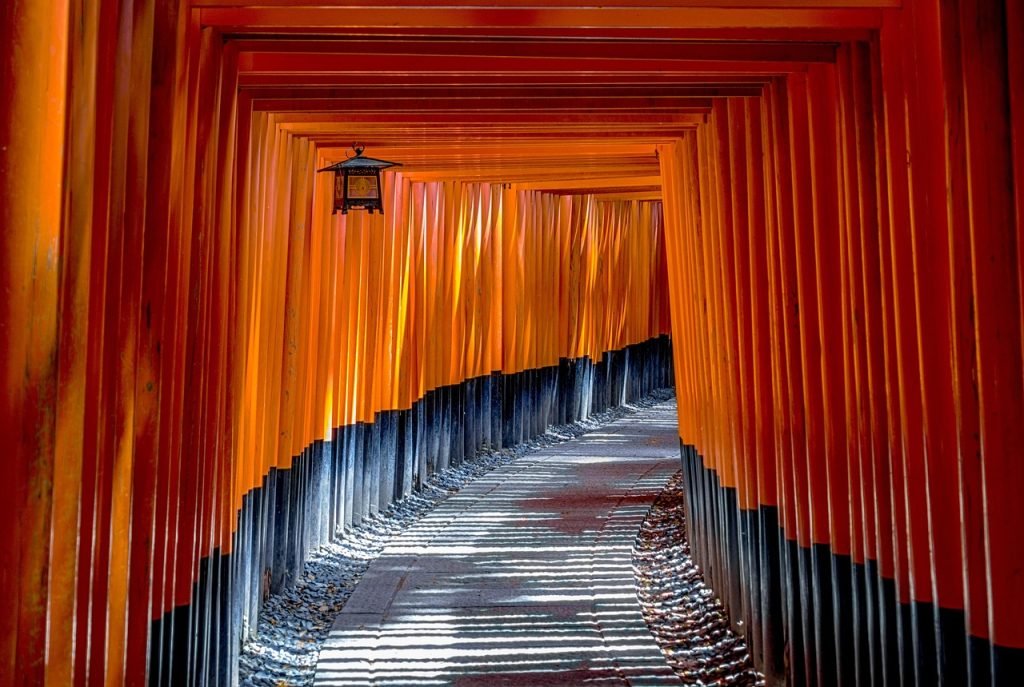
Famous for its thousands of vermilion torii gates winding up Mount Inari, this shrine is dedicated to the Shinto god of rice and prosperity. The hike to the summit takes 2–3 hours, dotted with smaller shrines and resting spots. Open 24/7, free admission. - Kinkaku-ji (Golden Pavilion):
This stunning Zen temple is covered in gold leaf and reflected beautifully in its surrounding pond. Open 9 AM–5 PM, admission ¥400 (~$3). - Arashiyama Bamboo Grove:
Walk through towering bamboo stalks in an ethereal forest setting. Nearby, visit the monkey park or the scenic Togetsukyo Bridge. Bamboo Grove is free; monkey park costs ¥550 (~$4). - Gion District & Yasaka Pagoda:
Gion is Kyoto’s historic geisha quarter, where you can glimpse geiko and maiko walking to appointments. Wander the atmospheric streets lined with traditional wooden machiya houses. The Yasaka Pagoda (Hokan-ji Temple) is a striking five-story pagoda that punctuates the skyline here, offering a quintessential Kyoto photo opportunity. The area is lively with tea houses, shops, and restaurants. - Ryoan-ji Temple:
Home to Japan’s most famous Zen rock garden, a minimalist arrangement of stones on white gravel designed to inspire meditation. Open 8 AM–5 PM, admission ¥500 (~$4). - Nishiki Market:
Known as “Kyoto’s Kitchen,” this bustling market offers everything from pickles and sweets to fresh seafood. Open 9 AM–6 PM, free entry. - Kiyomizu-dera Temple:
Famous for its wooden stage jutting out over the hillside, offering panoramic views of Kyoto. The temple complex includes several halls and a waterfall believed to grant wishes. Open 6 AM–6 PM, admission ¥400 (~$3).
Nara: The City of Deer and Ancient Wonders
Day 13
Nara is famed for its friendly deer and profound historical sites, making it a perfect full-day destination where ancient Japan’s spiritual power still resonates.
- Nara Park:
This expansive park is home to over 1,000 freely roaming deer, considered sacred messengers of the gods. Visitors can feed the deer special crackers sold nearby (¥150), creating memorable interactions. - Todai-ji Temple:
Housing the world’s largest bronze Buddha statue (Daibutsu), Todai-ji is a monumental symbol of Japan’s Buddhist heritage. The massive wooden hall is awe-inspiring, and a fun local challenge is to try crawling through a narrow hole in one of the giant wooden columns — said to grant enlightenment or good luck if you succeed. Open 7:30 AM–5 PM, admission ¥600 (~$4.50). - Kasuga Taisha Shrine:
Famous for its hundreds of stone and bronze lanterns lining the paths, this Shinto shrine is surrounded by ancient forest. Open 6 AM–6 PM, admission ¥500 (~$4). - Isuien Garden:
A beautifully landscaped garden perfect for a peaceful stroll. Open 9 AM–5 PM, admission ¥900 (~$7).
Osaka: The Food Capital of Japan
Days 14–15
Osaka is famous for its vibrant street food culture and lively atmosphere, where locals live by the motto “kuidaore” (eat until you drop).
- Dotonbori:
This neon-lit street is Osaka’s culinary heart, famous for street foods like takoyaki (octopus balls) and okonomiyaki (savory pancakes). Walking is free; budget ¥1,000–3,000 for food. - Osaka Castle:
A symbol of Osaka’s history, the castle grounds are beautiful year-round, especially during cherry blossom season. The museum inside offers detailed exhibits. Open 9 AM–5 PM, admission ¥600 (~$4.50). - Umeda Sky Building:
Known for its “Floating Garden Observatory,” it offers panoramic city views. Open 10 AM–10:30 PM, admission ¥1,500 (~$11). - Tsūtenkaku Tower & Shinsekai District:
This retro tower is a nostalgic symbol of Osaka. Open 9 AM–9 PM, admission ¥800 (~$6). The surrounding Shinsekai area is a fantastic place to sample local street food and casual eateries, making it perfect for a relaxed, tasty evening. - Kuromon Ichiba Market:
Known as Osaka’s kitchen, this market offers fresh seafood, fruits, and street snacks. Open 9 AM–6 PM, free entry.
Shorter Japan Itinerary: Essential Highlights in 9 Days
Days 1–3: Tokyo (Arrival at Narita or Haneda Airport)
Begin your journey in Tokyo, Japan’s bustling capital. Spend three days exploring its vibrant neighborhoods, iconic landmarks, and unique cultural experiences. For those interested, an optional day trip to Mount Fuji or the historic town of Kamakura is highly recommended to add a scenic or cultural dimension to your stay.
Days 4–7: Kyoto (Including a Day Trip to Nara)
Travel from Tokyo to Kyoto, the heart of Japan’s traditional culture. Spend four days immersing yourself in Kyoto’s stunning temples, gardens, and historic districts. Dedicate one full day to a trip to nearby Nara, famous for its friendly deer and ancient temples, enriching your cultural experience.
Days 8–9: Osaka (Departure from Osaka Airport)
Conclude your trip with two lively days in Osaka, Japan’s food capital. Explore the city’s dynamic street food scene, historic castle, and vibrant nightlife before departing from Osaka’s Kansai International Airport or Itami Airport.
Final Thoughts
Japan is a land of contrasts and harmony, where ancient temples stand alongside futuristic digital art, and serene gardens coexist with bustling urban streets. This itinerary has been crafted to give first-time travelers a deep, immersive experience of the country’s most iconic destinations, enriched with practical details to make your journey smooth and rewarding.
In Tokyo, you’ll feel the pulse of a city that never sleeps, where tradition and innovation collide—from peaceful shrines and historic alleys to dazzling skyscrapers and immersive art museums. The mountain town of Takayama and the fairy-tale village of Shirakawa-go offer a rare glimpse into Japan’s rural heritage, with centuries-old architecture and local crafts preserved against the backdrop of the Japanese Alps.
Kanazawa enchants with its exquisite gardens, samurai districts, and contemporary art, while Kyoto invites you to wander timeless streets lined with temples, markets, and tea houses, each corner whispering stories of Japan’s imperial past. Nara’s gentle deer and monumental Buddha remind us of the country’s spiritual roots, and Osaka’s lively food scene and retro charm provide a delicious and vibrant finale.
Travel in Japan is remarkably efficient thanks to the world-class rail network, but it’s the moments between sights—the quiet temple gardens, the friendly smiles in a local izakaya, the unexpected festival—that truly make the trip unforgettable. With thoughtful planning and an open heart, your first journey to Japan will be a tapestry of memories, sensations, and discoveries that stay with you forever.