Why Croatia’s Coastline Remains Europe’s Best Road Trip (Despite Rising Costs)
Let me be honest about Croatia in 2025: this isn’t the budget paradise it was five years ago. Since adopting the euro and joining Schengen, prices have jumped dramatically – simple beach meals went from €8 to €25, accommodation costs nearly doubled in coastal towns.
But Croatia’s 1,104-mile coastline still delivers unmatched value. Where else can you swim in crystalline waters below medieval fortress walls, explore UNESCO sites, and watch sunset paint ancient Roman ruins golden? The Adriatic’s eastern shore offers concentrated European history, natural beauty, and cultural authenticity that justifies every euro.
During my recent three-week journey from Trieste to Dubrovnik, I experienced Croatia’s full personality – from Istria’s truffle traditions to Dubrovnik’s tourist crowds. This guide provides honest assessments, realistic budgets, and practical solutions for maximizing your Croatian adventure.
Cultural Layers Most Travelers Miss
Croatia’s coastal identity blends Italian elegance with Slavic soul. Istrian hill towns echo Tuscany’s charm, yet local taverns serve ćevapi alongside risotto. Dalmatian cities showcase Venetian architecture, but café culture follows Balkan rhythms.
This extends to practical considerations: Croatia’s naturist tradition means encountering clothing-optional beaches on most islands – not hidden resorts, but mainstream beaches where nude areas integrate naturally. Plan accordingly if this creates discomfort.
Post-2023 Changes: Convenience vs. Cost
Schengen and Euro Impact
Croatia’s EU integration eliminated passport queues and currency exchanges but triggered massive price inflation. Local wages haven’t kept pace, creating economic pressures affecting all travel aspects.
Convenience Gains:
Cost Reality:
Croatia now requires Italian-level budgeting but offers French Riviera experiences at lower costs.
Itinerary 1: Strategic Croatia Sampler (7-10 Days from Trieste)
Perfect for extending Italian adventures into Croatia without dedicating entire vacations.
Trieste Gateway (1 days)
Miramare Castle provides the perfect Croatian prelude. This dramatic 19th-century palace on limestone cliffs tells Archduke Maximilian’s tragic story while offering views toward Croatian islands you’ll soon explore.
Border Strategy: Avoid Slovenia’s €15 highway toll by routing through countryside roads. GPS settings: avoid tolls/highways. Adds 30-45 minutes but saves money while revealing Slovenia’s scenic villages.
Istrian Highlights (3 days)
Novigrad maintains authentic character despite tourist growth. Fishermen work dawn harbors, families shop morning markets, restaurants serve daily catches. The compact old town encourages leisurely exploration with reasonable prices.
Motovun offers Croatia’s best hilltop experience. This medieval town, 277 meters above Mirna Valley, provides complete authenticity. I arrived during an epic thunderstorm – lightning illuminated vineyards dramatically. Morning revealed mist-shrouded valleys and complete medieval preservation.
Pula’s Roman Arena ranks among Europe’s most spectacular amphitheaters. Unlike Rome’s Colosseum, it integrates naturally into a working city. Summer concerts under stars create unforgettable experiences.
Kamenjak Nature Park (€10 entry) offers dozens of hidden coves via unpaved roads. Minimal facilities preserve wild character. Swimming visibility extends 15+ meters in crystalline water.
Do you want to explore Istria? Good choice, have a look at our post Discovering Istria!
Plitvice Lakes Detour (1-2 days)
The 3.5-hour drive reveals Croatia’s mountainous interior – pristine forests, traditional villages, roadside honey stands. I encountered foxes crossing roads at twilight and massive stork nests on electrical poles.
Plitvice’s 16 turquoise lakes connected by 90+ waterfalls create Europe’s most spectacular natural experience. Choose Trail H (4-6 hours) for optimal scenery/crowd balance. Entry fees feel steep (€25-€40) but experiences justify costs for nature lovers.
Krk Island Relaxation (1-3 days)
Bridge-accessible (toll-free since 2020) with diverse landscapes from medieval towns to wild beaches.
Krk Town combines Venetian architecture with island rhythms. Stone streets house contemporary restaurants and wine bars.
Stara Baška might be Croatia’s most beautiful beach – pristine pebbles below dramatic cliffs, 20-minute hike required. Effort filters crowds, leaving paradise for adventurous travelers.
Vela Luka/Mala Luka offer spectacular swimming but require 45-minute hikes or boat access (€25-€35). Adjacent naturist areas make clothing-optional common.
Family Alternative: Baška’s main beach provides 2km of pebbles with full services and mountain backdrops.
Itinerary 2: Complete Dalmatian Coast (10-14 Days)
If you have 10–14 days or more, consider this extended coastal itinerary, starting with Trieste and Plitvice Lakes, already covered in Itinerary 1.
Zadar – Ancient Meets Modern (2 days)
The Sea Organ transforms waves into haunting music changing with tides. Greeting to the Sun captures solar energy, illuminating after dark. Together they create nightly natural concerts.
Beyond Instagram spots, Zadar’s old town layers Roman ruins through medieval streets. Skip crowded Kolovare Beach for Sakarun Beach on Dugi Otok – Caribbean-like white sand accessible via 45-minute ferry.
Šibenik and Krka – The Swimming Alternative (2 days)
Šibenik’s car-free medieval center winds uphill through unchanged stone streets. UNESCO-listed St. James Cathedral rivals Florence’s Renaissance architecture. Locals outnumber tourists, maintaining authentic atmosphere.
Krka National Park offers what Plitvice prohibits – swimming below waterfalls. Skradinski Buk creates natural pools with refreshing temperatures. The surreal experience of floating while waterfalls cascade around you feels magical.
Split – Living Ancient History (2 days)
Diocletian’s Palace isn’t a museum – 3,000 people live within 305 AD Roman walls. Drink wine in imperial cellars, shop where ceremonies occurred, sleep in hotels built into ancient structures.
The Riva waterfront pulses with energy from morning coffee through late-night socializing. Marjan Hill offers hiking trails with panoramic views 30-45 minutes from city center.
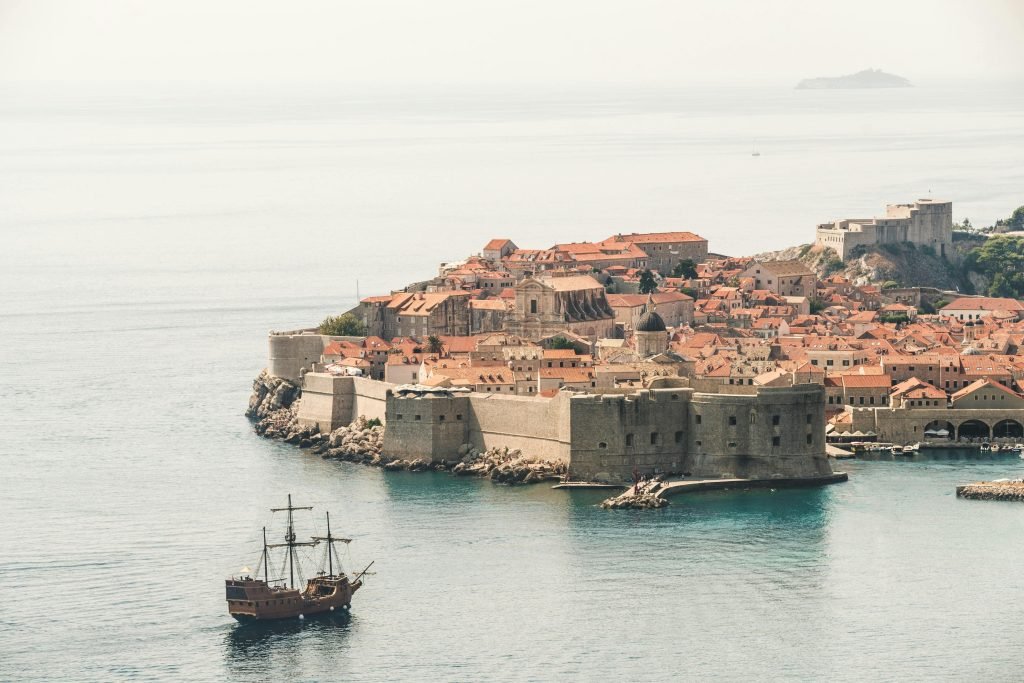
Dubrovnik – Balancing Beauty with Reality (2 days)
City Walls (€35 entry, 1.5-2 hours) provide unmatched views but require strategic timing. Walk at 8:00 AM or after 4:00 PM to avoid claustrophobic crowding.
Island Escapes: Lokrum (15-minute ferry) offers immediate crowd relief with botanical gardens and swimming spots. Pasjača Beach requires steep 20-minute hike but rewards with spectacular isolation.
Croatia’s Best Beaches Guide
Wild & Remote
Family-Friendly
When Croatia Exceeds vs. Disappoints
Croatia Delivers When:
Croatia Disappoints When:
Final Verdict: Worth Current Prices?
Yes, but with caveats. Croatia isn’t the budget paradise it once was, but offers concentrated European experiences justifying higher costs when approached strategically. Travel like visiting northern Italy – with cultural respect, natural beauty appreciation, and realistic budgets.
Croatia rewards travelers venturing beyond obvious highlights. My best memories happened in unexpected places: Motovun during thunderstorms, Krka’s pools at sunrise, perfect beaches requiring challenging hikes. These experiences cost no more than tourist traps but create lifetime memories.
Plan carefully, budget realistically, and prepare for one of Europe’s most rewarding coastal adventures.