Picture this: You’re driving through a landscape so otherworldly it feels like you’ve landed on another planet. Steam rises from geothermal fields, massive waterfalls thunder down cliff faces, and the midnight sun casts an ethereal glow over black sand beaches dotted with icebergs. This isn’t science fiction—this is Iceland, and it’s waiting for you to explore it by car.
After helping hundreds of travelers plan their Iceland road trips over the years, I’ve learned that the difference between a magical adventure and a stressful ordeal often comes down to one thing: preparation. Iceland’s raw beauty comes with unique challenges that can catch even experienced travelers off guard. From sudden weather changes that can strand you for hours to rental car requirements that vary drastically by season, this Nordic island nation demands respect and careful planning.
But here’s the honest truth: once you understand Iceland’s quirks and prepare accordingly, a self-drive adventure here becomes one of the most rewarding travel experiences you’ll ever have. The freedom to stop whenever you spot a hidden waterfall, the flexibility to chase the northern lights at 2 AM, and the intimate connection you’ll develop with this incredible landscape—these are experiences that no tour bus can replicate.
Iceland Car Rental: Your Vehicle is Your Lifeline
Let me be brutally honest about something most travel guides gloss over: your choice of rental car in Iceland isn’t just about comfort—it’s about safety and accessibility. I’ve seen too many travelers show up with inadequate vehicles, only to miss out on incredible experiences or worse, find themselves in dangerous situations.
Winter Driving Requirements (November 1st – April 14th)
The Icelandic government doesn’t mess around when it comes to winter driving safety, and neither should you. Winter tires with a minimum tread depth of 3-4mm are mandatory by law during this period. While studded tires aren’t technically required, they’re your best friend on Iceland’s notoriously icy roads.
Here’s what most rental companies won’t tell you upfront: they usually provide studded tires by default during winter months, but always confirm this when booking. I’ve seen travelers charged extra fees at pickup because they didn’t clarify tire requirements in advance.
Vehicle Selection Strategy
Golden Circle Only: If you’re strictly limiting yourself to the famous Golden Circle route (Þingvellir, Geysir, Gullfoss), a 2WD car can handle this well-paved circuit without issues.
Beyond the Golden Circle: Here’s where most travelers underestimate Iceland’s terrain. The moment you venture off the Ring Road—which you absolutely should—you’ll encounter gravel roads that aren’t just flat countryside drives. These routes often feature steep ascents, loose gravel surfaces, and challenging conditions that will test even experienced drivers in a 2WD vehicle. A 4×4 isn’t just recommended for these adventures; it’s the difference between confidently exploring hidden gems and white-knuckling your way through questionable terrain.
Highland Adventures: Want to explore Iceland’s legendary F-roads and highland regions? A 4×4 isn’t just recommended—it’s mandatory. These unpaved mountain routes feature river crossings, loose gravel, and terrain that will destroy a regular car. More importantly, your insurance typically won’t cover damage if you take a 2WD on F-roads.
Winter Expeditions: If you’re visiting between November and April, invest in a 4×4 with studded tires. Yes, it costs more, but it’s the difference between confidently exploring Iceland’s winter wonderland and being stranded at your accommodation.
Mastering Iceland’s Unique Road System
The Ring Road: Iceland’s Highway to Adventure
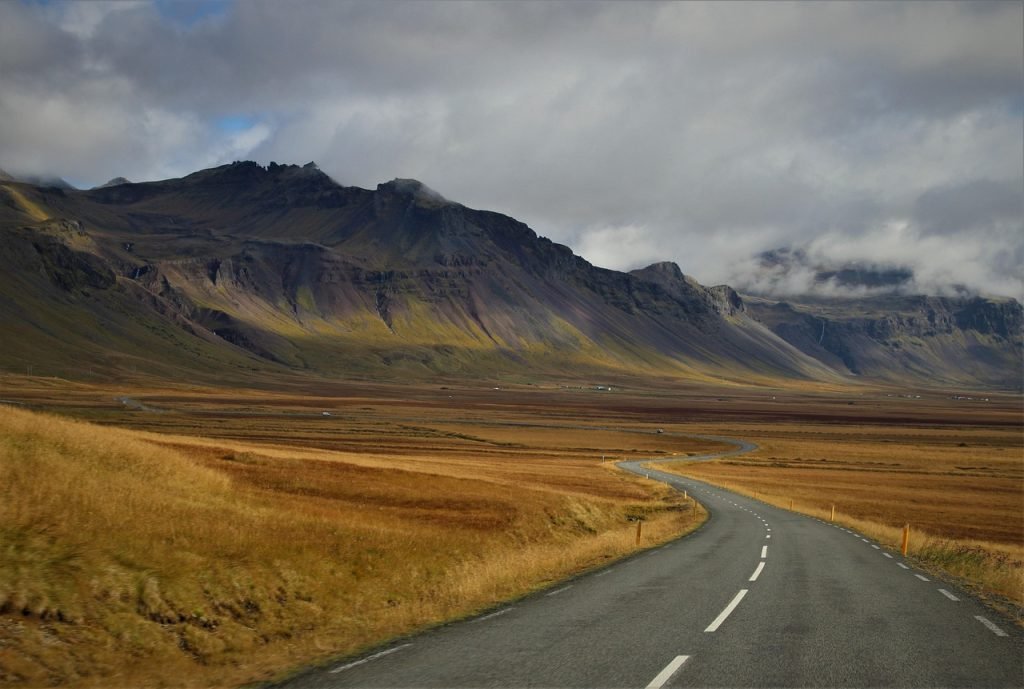
Route 1, affectionately known as the Ring Road, is your gateway to Iceland’s greatest hits. This 1,332-kilometer loop connects virtually every major attraction and town, making it the backbone of most Iceland road trips.
Here’s the reality that many guides oversimplify: while the Ring Road is generally well-paved and maintained year-round, the eastern section between Egilsstaðir and Höfn contains stretches of unpaved road that, while well-maintained, can be challenging for inexperienced drivers. These gravel sections are perfectly navigable but require more attention and slower speeds.
Winter conditions can transform even the paved portions into a challenging drive. Ice patches appear without warning, visibility can drop to near-zero during snowstorms, and what should be a 2-hour drive can easily become 4 hours.
F-Roads: Iceland’s Wild Frontier
F-roads (highland routes) represent Iceland’s untamed heart—and they’re not for everyone. Open only from late June through September, these unpaved mountain roads require serious 4×4 capability and driver experience. River crossings are common, and there’s no roadside assistance if things go wrong.
My honest advice? Unless you’re an experienced off-road driver, consider joining a highland tour instead. The views are incredible, but the risks are real.
One-Lane Bridge Etiquette
Iceland’s numerous single-lane bridges catch many visitors off guard. The unwritten rule is simple: whoever reaches the bridge first has right of way, but always approach slowly and be prepared to yield. Icelandic drivers are remarkably courteous, and following their lead will serve you well.
Smart Money: Fuel and Food Strategies
Fuel Station Navigation
Let’s talk about something that can make or break your budget: fuel costs. Gas stations are generally well-distributed, but there are crucial gaps to know about. The South Coast becomes sparse after your third day heading east, and the stretch before and after Akureyri in the north can leave you running on fumes if you’re not careful.
Pro tip: The Orkan chain consistently offers the cheapest fuel prices. Download their app for station locations and current pricing.
Grocery Shopping Like a Local
Here’s a money-saving secret that can cut your food costs in half: skip the restaurants (mostly) and shop like an Icelandic local. The country’s supermarket scene has transformed dramatically over the past 15 years, now offering excellent fresh produce and international foods that rival any European grocery chain.
Your budget-friendly hierarchy:
- Bonus – The undisputed champion of affordable groceries
- Krónan – Solid middle-ground pricing with good selection
- Netto – More expensive but often more convenient locations
Stock up in larger towns before heading to remote areas, where prices can be 30-50% higher and selection is limited. A typical grocery run for two people for 3-4 days should cost around 8,000-12,000 ISK ($60-90 USD), compared to 3,000-5,000 ISK per person for a single restaurant meal.
Payment and Money Matters: The Cashless Reality
Iceland has embraced digital payments more completely than almost any other country. I’m talking about card payments being accepted at remote mountain huts, food trucks parked in the middle of nowhere, and even public restrooms. It’s genuinely impressive.
That said, carrying 2,000-3,000 ISK in cash for emergencies is wise. Skip the airport currency exchange (terrible rates) and use bank ATMs from Landsbankinn, Íslandsbanki, or Arion Banki instead.
Accommodation Strategy: Where to Rest Your Head
The accommodation game in Iceland requires strategy, especially during peak summer months when demand far exceeds supply. Guesthouses offer the best value proposition—authentic, comfortable, and significantly cheaper than hotels.
Airbnb and Booking.com have revolutionized Iceland’s accommodation scene, offering everything from budget-friendly farms to luxury retreats. Many feature automatic check-in systems, which is a godsend when you’re arriving at 11 PM after chasing the northern lights.
Booking timeline: Reserve accommodations 2-3 months in advance for summer travel, 1 month for winter. Popular spots like the South Coast and Westman Islands fill up fastest.
Driving in Iceland: Rules, Safety, and Survival
Speed Limits and Legal Requirements
Iceland’s speed limits are strictly enforced: 90 km/h on paved roads, 80 km/h on gravel, and 50 km/h in towns. Seat belts and headlights are mandatory 24/7—even during Iceland’s bright summer nights.
Zero tolerance for drinking and driving isn’t just a slogan here—it’s rigorously enforced with severe penalties.
Weather Awareness: Your Daily Survival Ritual
Icelandic weather changes faster than a teenager’s mood. A sunny morning can become a blizzard by afternoon, especially during shoulder seasons. Make checking vedur.is (weather) and road.is (road conditions) part of your daily routine.
Mobile coverage reality check: Cell service can be spotty in remote areas. Download offline maps and carry a physical backup. GPS isn’t just helpful—it’s essential for finding hidden gems and ensuring you don’t miss turnoffs.
Seasonal Planning: When to Visit Iceland
Summer Road Tripping (May-September)
Summer in Iceland is pure magic for road trippers. With up to 24 hours of daylight during peak season, you can pack incredible amounts of sightseeing into each day. All roads are open, hiking conditions are optimal, and you’ll witness phenomena like puffin colonies and lupine flower fields in full bloom.
The downside? Everyone else has the same idea. Expect crowds at major attractions and premium pricing for accommodations.
Winter Wonderland (October-April)
Winter road tripping in Iceland is an entirely different beast—challenging but incredibly rewarding. With only 4-6 hours of daylight, every moment of light becomes precious. However, this is when Iceland reveals its most magical side: ice caves, northern lights dancing across star-filled skies, and landscapes transformed into winter wonderlands.
The trade-off is real: challenging driving conditions, higher vehicle costs, and weather-dependent itineraries. But for photographers and adventure seekers, winter Iceland is unparalleled.
Packing Essentials: Gear That Matters
Iceland’s weather can shift from pleasant to brutal in minutes, making proper gear non-negotiable. Layer system is king: moisture-wicking base layers, insulating mid-layers, and waterproof/windproof outer shells.
Non-negotiable items:
- Waterproof hiking boots (seriously, don’t cheap out here)
- Warm hat and waterproof gloves
- Power bank for your devices
- Emergency snacks and water
- Flashlight or headlamp
Photography gear: Bring lens cloths and camera rain covers. Iceland’s mist and spray will constantly challenge your equipment.
The Real Cost of Iceland Road Tripping
Let’s address the elephant in the room: Iceland isn’t cheap. A realistic daily budget for two people ranges from $150-300, depending on accommodation choices and dining habits. However, road tripping remains the most cost-effective way to experience Iceland compared to guided tours or domestic flights.
Money-saving strategies that actually work:
- Cook 70% of your meals using supermarket ingredients
- Book accommodations with kitchen access
- Take advantage of free attractions (most waterfalls, hot springs, and viewpoints)
- Travel during shoulder seasons for better accommodation rates
Your Iceland Adventure Awaits
Planning an Iceland road trip isn’t just about logistics—it’s about preparing for an experience that will fundamentally change how you view travel and nature. This isn’t a destination you simply visit; it’s a place that gets under your skin and stays there.
The preparation might seem overwhelming, but every detail matters in Iceland. The right tires can mean the difference between reaching that hidden waterfall or turning back disappointed. Proper grocery shopping can transform your budget from hemorrhaging to manageable. Understanding road conditions can turn a stressful drive into a scenic adventure.
Iceland rewards the prepared traveler with experiences that feel almost impossibly magical: standing behind thundering waterfalls, witnessing the northern lights reflect off glacial lagoons, and discovering that perfect hot spring where you’re the only visitor for miles.
So take the time to plan properly. Respect Iceland’s power and unpredictability. Embrace the flexibility that road tripping offers. And prepare yourself for an adventure that will spoil you for ordinary destinations forever.
The Ring Road is calling, and Iceland’s fire and ice landscapes are waiting to show you why this small Nordic island has captured the hearts of travelers worldwide. Are you ready to answer that call?