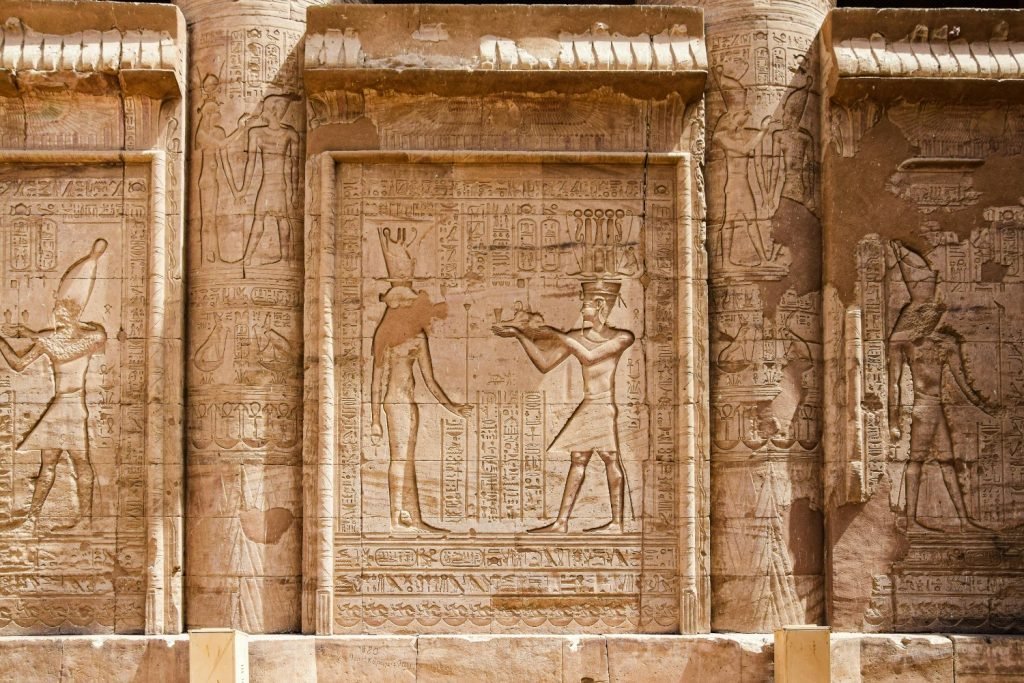
Egypt beckons travelers with promises of ancient wonders and timeless mysteries, but the reality of visiting this captivating destination requires careful preparation and honest expectations. This isn’t just another tourist destination—it’s a complex, fascinating country where five millennia of history collide with modern challenges, where breathtaking archaeological treasures coexist with urban chaos, and where every interaction becomes a lesson in cultural navigation.
After extensive exploration across Egypt’s most iconic destinations, we’re sharing the unvarnished truth about what it really takes to travel here successfully. This comprehensive guide cuts through tourist marketing to deliver practical insights that will transform your Egyptian adventure from potentially stressful to genuinely rewarding.
Entry Requirements and Visa Information: Navigating Egyptian Bureaucracy
Passport Requirements That Can’t Be Compromised
Egyptian immigration officials maintain strict passport standards that catch unprepared travelers off-guard. Your passport must display at least 6 months of validity from your entry date—not your departure date. This isn’t a suggestion or guideline; it’s an absolute requirement that embassy staff cannot waive, regardless of your travel plans or explanations.
Electronic ID cards or passports with extended validity stamps face consistent rejection at Egyptian borders. Even if your home country considers these documents valid for international travel, Egyptian authorities don’t recognize them. Carry only standard, physical passports with clear expiration dates to avoid devastating entry denials after long international flights.
Visa Options: Strategic Choices for Different Travel Styles
Visa on Arrival: Fast but Cash-Dependent
Most travelers, including Italian citizens, can obtain visas upon arrival at Egyptian airports for $25 USD per person. However, this seemingly simple process requires exact cash payment—Egyptian immigration doesn’t provide change, and credit cards aren’t accepted. The “exact amount” requirement isn’t tourist-friendly advice; it’s operational necessity that creates delays and complications when travelers arrive with larger denominations.
E-Visa: Worth the Advanced Planning
Online e-visa applications typically process within 7 days and eliminate airport queues that can stretch for hours during peak travel periods. While requiring advance planning, e-visas provide peace of mind and allow you to begin your Egyptian experience immediately upon arrival rather than standing in chaotic lines with hundreds of other travelers clutching passport photos and cash.
Sinai Peninsula Special Rules: The Exception That Proves the Rule
For stays limited to 14 days within Sinai Peninsula destinations like Sharm El Sheikh, Dahab, Nuweiba, and Taba, Italian citizens enjoy visa-free entry with just a valid travel ID card plus two passport photos. However, this exemption becomes worthless if you plan to explore beyond Sinai or extend your stay—requiring immediate visa upgrade with additional fees and bureaucratic complications.
Critical warning: Sinai permits depend entirely on your departure country, creating confusion when booking flights with connections. Always verify current requirements with Egyptian consulates before finalizing travel arrangements, as these rules change without advance notice to travelers.
Mobile Connectivity: Essential SIM Card Strategy
Egypt’s mobile infrastructure centers on two primary providers: Vodafone Egypt and Orange Egypt, both operating airport kiosks strategically positioned near baggage claim areas. Vodafone typically operates near belts 4-5, while Orange maintains presence near belt 1, though these locations shift based on terminal operations and seasonal demand.
Critical Testing Protocol
Always test your SIM card immediately before leaving the airport. Egyptian mobile networks can be unreliable, and discovering connectivity issues after reaching your hotel or remote archaeological site creates problems that become expensive and time-consuming to resolve. Make test calls, verify data connectivity, and confirm your plan activation while airport technical support remains available.
The investment in reliable mobile connectivity pays dividends throughout your Egyptian journey—from navigating Cairo’s chaotic streets to coordinating transportation in remote destinations, accessing translation apps in local markets, and maintaining emergency communication capabilities in areas where tourist infrastructure remains limited.
Transportation Mastery: Surviving Egyptian Urban Mobility
Uber: Your Lifeline in Egyptian Cities
Traditional Egyptian taxis operate in a parallel universe where meters mysteriously malfunction, routes become unnecessarily circuitous, and fare negotiations begin after you’ve reached your destination. Uber eliminates these stressful variables through transparent pricing, driver accountability, and standardized service quality that transforms urban transportation from potential nightmare to routine convenience.
Advanced Uber Strategy for Egypt
Egyptian license plates use Arabic numerals that render vehicle identification impossible for most international visitors. Always verify driver photos and names through the app before entering any vehicle—this simple precaution prevents wrong-car situations that can lead to anything from embarrassment to actual safety concerns.
Ensure your driver activates the trip at pickup and properly concludes it upon arrival. Some drivers attempt to end trips prematurely or extend them beyond actual destinations to manipulate fare calculations. Monitor the app throughout your journey and address discrepancies immediately rather than discovering inflated charges later.
Tipping represents cultural expectation rather than optional generosity. Appropriate tips range from 20-50 Egyptian pounds (€0.50-1.50), payable through cash or app functionality. This investment in driver relationships often results in better service, helpful local insights, and priority response during high-demand periods.
Report driver cancellations, unfair charges, or service problems immediately through Uber’s platform. The company maintains active customer service in Egypt and regularly processes refunds for legitimate complaints—don’t assume problems are “just how things work” in Egypt.
Internal Transportation: Flights, Trains, and Reality Checks
Domestic Aviation: Efficient but Quirky
EgyptAir and domestic carriers efficiently connect major Egyptian destinations, but prepare for security protocols that exceed international standards and occasional operational quirks that reflect local business culture. Multiple security checkpoints, possible flight delays, and even mid-flight phone calls from other passengers create experiences that range from mildly amusing to genuinely surprising for international travelers.
Railway Adventures: Character Building vs. Comfort
Overnight trains between Aswan and Cairo offer sleeper cabins that provide adventure rather than luxury. The journey stretches long enough to test physical endurance while revealing countryside landscapes invisible from aircraft windows. Consider this transportation option as cultural immersion rather than efficient travel—you’ll arrive with stories and experiences that hotel-to-hotel flights can’t provide.
Nile Cruises: Scenic Luxury with Time Investment
Luxor to Aswan Nile cruises represent Egypt’s most civilized internal transportation option, combining scenic beauty with onboard comfort that allows cultural appreciation without logistical stress. However, these journeys require substantial time investment that works only for travelers with flexible schedules and appreciation for river travel’s contemplative pace.
Local Transport and Cultural Navigation
Egyptian public transportation reflects broader cultural patterns that international visitors must understand to navigate successfully. In destinations like Aswan, gender segregation affects public transport including ferries to Elephantine Island, where men and women often occupy designated areas that aren’t clearly marked for tourists.
Essential Dress Code Compliance
Modest dress requirements aren’t tourist suggestions—they’re cultural necessities for comfortable travel throughout Egypt. Cover knees consistently, especially for women, to avoid unwanted attention, entry restrictions at religious sites, and social discomfort that can affect your entire travel experience.
Lightweight, breathable fabrics become essential in Egyptian heat, while comprehensive sun protection including hats and high-SPF sunscreen prevents the painful sunburn that can ruin archaeological site exploration. The desert sun’s intensity exceeds most travelers’ expectations, creating genuine health risks for unprepared visitors.
Egyptian Scam Awareness: Honest Protection Strategies
Egypt’s tourism industry includes both genuine professionals and opportunistic individuals who exploit visitor unfamiliarity with local customs, pricing, and procedures. Understanding common scam patterns allows you to enjoy Egyptian hospitality while protecting yourself from exploitation that can transform wonderful experiences into expensive frustrations.
Fake Tour Guide Exploitation at Archaeological Sites
The Setup: At world-famous sites like the Pyramids of Giza, Valley of the Kings, and Luxor temples, self-appointed “guides” approach tourists with confident authority, offering “exclusive access,” “secret locations,” or “special arrangements” that supposedly enhance standard site visits.
The Reality: These individuals typically lack official credentials, archaeological knowledge, or legitimate site access. Their “exclusive tours” often lead to overpriced souvenir shops where they receive sales commissions, while their “secret locations” frequently turn out to be standard viewpoints accessible to all visitors.
Protection Strategy: Book guides exclusively through reputable hotels, established tour agencies, or verified online platforms that display official credentials. Licensed guides wear visible identification badges issued by Egyptian tourism authorities. Politely but firmly decline unsolicited offers, even when approached with apparent authority or local knowledge claims.
Transportation Fraud: Beyond Simple Overcharging
Traditional Taxi Deception: Egyptian taxi drivers have perfected multiple manipulation techniques beyond simple meter “malfunctions.” Common schemes include taking unnecessarily long routes, claiming per-person rather than per-trip pricing, and demanding tourist surcharges that don’t exist in official regulations.
Advanced Uber Monitoring: Even Uber requires vigilance in Egypt. Monitor your journey through the app to ensure drivers follow optimal routes and properly manage trip timing. Some drivers attempt to end trips before reaching destinations or extend them beyond arrival points to manipulate fare calculations.
Fake Officials and Document Inspection Scams
The Sophisticated Approach: Well-dressed individuals sometimes impersonate police officers, tourism officials, or security personnel to inspect passports, wallets, or documentation while actually stealing valuables or demanding unofficial “fees” for imaginary violations.
Recognition and Response: Genuine Egyptian officials carry specific identification that they’ll readily display when requested. Never surrender documents or money without verifying official status through secondary confirmation. When in doubt, request to visit an official police station or tourism office to complete any required procedures.
Entrance Fee and Access Scams
Artificial Scarcity: Scammers create fake ticket scarcity, claim “special access” requirements, or demand additional fees for “premium areas” that are actually included in standard admission prices.
Verification Protocol: Purchase tickets exclusively at official booths clearly marked with government tourism authority logos. Any additional fees or special arrangements should be verified with on-site officials before payment. Legitimate archaeological sites maintain transparent pricing displayed in multiple languages.
Archaeological Site Strategy: Maximizing Wonder While Minimizing Frustration
Timing for Optimal Experiences
Egyptian archaeological sites operate most pleasantly during early morning hours before tour groups arrive and temperatures become unbearable. The Pyramids of Giza, Valley of the Kings, and Abu Simbel temples all reveal their magnificence most dramatically in soft morning light that enhances photographic opportunities while providing comfortable exploration conditions.
Managing Expectations at World-Famous Sites
The Pyramid Reality: While undeniably spectacular, the Giza complex exists within Cairo’s urban sprawl rather than pristine desert isolation that many visitors expect. Traffic noise, commercial development, and persistent vendors create environments that require mental adjustment from romantic archaeological fantasies.
Luxor’s Archaeological Density: The Valley of the Kings contains over 60 discovered tombs, but only a rotating selection remains open to tourists at any given time. Research current accessibility before arrival to avoid disappointment when specific tombs you’ve researched remain closed for conservation or archaeological work.
Practical Financial Management in Egypt
Cash Economy Realities
Egypt operates primarily on cash transactions, particularly outside major hotels and tourist facilities. Credit card acceptance remains inconsistent, and when available, often includes service charges that make cash preferable for most purchases.
Egyptian pounds (EGP) become essential for everything from archaeological site admissions to restaurant meals, transportation, and market purchases. Plan to carry more cash than you would in other destinations, while taking appropriate security precautions for larger amounts.
Smart Money Exchange Strategies
Airport exchange rates consistently offer poor value that can cost you 10-15% of your spending money through unfavorable conversion rates. Official banks and exchange offices in major cities provide significantly better rates, making it worthwhile to exchange modest amounts at airports for immediate needs while planning larger exchanges in urban areas.
Final Recommendations: Setting Realistic Expectations for Egyptian Travel
Egypt rewards prepared travelers who approach the destination with cultural curiosity, patience for bureaucratic procedures, and realistic expectations about infrastructure and social customs. This isn’t European tourism with Egyptian scenery—it’s cultural immersion that requires adaptation, flexibility, and genuine respect for local traditions.
Egypt is Extraordinary For:
- History enthusiasts seeking authentic archaeological experiences
- Travelers comfortable with cultural adaptation and language barriers
- Adventure seekers who appreciate complex, challenging destinations
- Photography enthusiasts drawn to dramatic landscapes and ancient architecture
- Cultural immersion travelers who value authenticity over convenience
Egypt May Challenge:
- Travelers expecting European infrastructure standards
- Solo travelers uncomfortable with persistent social interaction
- Budget backpackers unprepared for tourist pricing structures
- First-time Middle East visitors seeking gentle cultural introduction
- Travelers requiring predictable schedules and guaranteed comfort
The Honest Bottom Line
Egyptian travel delivers experiences impossible to replicate elsewhere—standing within pyramid chambers built before European civilization existed, sailing past temples where pharaohs once ruled, and witnessing cultural traditions that have survived conquests, colonization, and modernization. However, these extraordinary experiences require emotional and logistical preparation that many travelers underestimate.
Success in Egypt comes from embracing complexity rather than fighting it, preparing for challenges rather than expecting seamless tourism, and approaching cultural differences with curiosity rather than judgment. When you’re properly prepared with realistic expectations and practical strategies, Egypt becomes transformative rather than merely exhausting.
With proper preparation, cultural awareness, and the practical strategies outlined in this guide, your Egyptian adventure will create memories and perspectives that last far beyond typical tourist destinations. Egypt isn’t easy travel—it’s meaningful travel that challenges, educates, and ultimately rewards those who approach it with appropriate preparation and genuine respect.