Imagine standing on the exact spot where Claude Monet painted his revolutionary Water Lilies series, surrounded by the same floating blossoms and dappled light that captivated the world over a century ago. Picture yourself crossing the iconic Japanese bridge, wisteria cascading overhead, while understanding that you’re literally walking through one of art history’s most famous subjects.
This isn’t just another tourist attraction – this is Giverny, Claude Monet’s beloved artistic sanctuary where Impressionism flourished and where nature itself became the studio for some of humanity’s most treasured masterpieces.
But here’s what most guidebooks won’t tell you: Giverny can either transport you into Monet’s creative world or leave you feeling rushed and underwhelmed, depending entirely on how you plan your visit. After multiple trips to this enchanting Norman village (including one disappointing rainy day visit that taught me valuable lessons about timing and expectations), I’ve discovered the secrets to experiencing Giverny the way Monet intended – as a place of artistic inspiration, natural beauty, and profound tranquility.
This comprehensive 2025 guide goes beyond basic visitor information to provide honest insights, insider strategies, and practical advice that will transform your Giverny day trip from a simple tourist excursion into a deeply meaningful artistic pilgrimage.
Why Giverny Should Be Your Essential Paris Day Trip: Understanding Monet’s Artistic Legacy
Located in the heart of Normandy, approximately 75 kilometers northwest of Paris, Giverny represents far more than a preserved artist’s home – it’s a living laboratory where artistic revolution took root. This charming village became Claude Monet’s creative headquarters for the final 43 years of his life (1883-1926), the period during which he created his most celebrated works and fundamentally changed how the world sees color, light, and natural beauty.
The Impressionist breakthrough: Giverny wasn’t just Monet’s home; it was his outdoor studio where he developed the painting techniques that would define Impressionism. The famous Water Lilies series, painted in over 250 variations, emerged from daily observations of light and color changes in his carefully designed water garden. Standing beside these same lily ponds, you’ll understand how Monet’s obsession with capturing fleeting moments of natural beauty revolutionized artistic expression.
A artist’s total environment: Unlike most artist museums that display works in sterile gallery settings, Giverny allows you to experience the complete creative ecosystem that nurtured Monet’s genius. The house preserves his personal aesthetic choices, the gardens showcase his understanding of color harmony, and the surrounding countryside reveals the broader Norman landscape that influenced his artistic vision.
Modern relevance: In our digital age of constant connectivity, Giverny offers something increasingly rare – the opportunity to slow down, observe closely, and appreciate the subtle beauty that surrounds us daily but often goes unnoticed. Monet’s approach to seeing the world remains remarkably relevant for contemporary visitors seeking mindfulness and artistic inspiration.
Getting to Giverny from Paris: Your Complete Transportation Guide with Insider Tips
Train and Shuttle Bus: The Budget-Smart Choice for Independent Travelers
Route details: The journey begins at Gare Saint-Lazare, one of Paris’s most beautiful train stations, where you’ll board regional trains bound for Vernon-Giverny. These comfortable trains traverse the Île-de-France countryside, gradually transitioning from Parisian suburbs to Norman farmland, providing a scenic preview of the artistic landscape you’re about to explore.
The Vernon connection: After approximately 45 minutes, you’ll arrive at Vernon-Giverny station (not Vernon-station, which is a common source of confusion). From here, dedicated shuttle buses operate regularly during Giverny’s open season, covering the final 4 kilometers through picturesque Norman countryside dotted with traditional half-timbered houses and flower-filled gardens.
Cost breakdown and booking strategy: Round-trip train tickets range from €15-25 per person, depending on booking timing and travel class. The shuttle bus typically costs an additional €4-6 round-trip, though some tour operators offer combined tickets that can provide modest savings.
Timing considerations: Trains depart Saint-Lazare approximately every hour, with more frequent service during peak tourist season (April-October). The earliest departure (usually around 8:30 AM) allows you to arrive at Monet’s gardens shortly after opening, providing the best experience with optimal lighting and minimal crowds.
Guided Tour Options: When Convenience Justifies the Premium
Full-service tour advantages: Guided day tours from Paris typically cost €80-150 per person but eliminate all logistics while providing expert commentary that significantly enhances the experience. These tours often include transportation, entrance fees, and sometimes lunch, making them excellent value for travelers who prefer structured experiences or are visiting during peak season when individual arrangements become challenging.
Combination tour value: Many operators combine Giverny with nearby attractions like Rouen Cathedral (which Monet also painted extensively) or Auvers-sur-Oise (where Van Gogh spent his final days), creating comprehensive artistic itineraries that provide broader context for Impressionist history.
Small group benefits: Look for tours limited to 15-20 participants rather than large bus groups. Smaller groups allow more personalized attention, flexible timing, and better access to photography opportunities.
Driving to Giverny: When Car Rental Makes Sense
Route and timing: The 75-kilometer drive from central Paris takes 1.5-2 hours depending on traffic and route selection. The A13 autoroute provides the fastest route, while smaller roads offer more scenic countryside views.
Parking realities: Giverny village has limited parking, especially during peak visiting months (May-September). Arrive early (before 10:00 AM) to secure convenient spots, or be prepared for 10-15 minute walks from overflow parking areas.
When driving works: Car rental makes sense for travelers planning to explore multiple Norman destinations, those traveling in groups of 4+, or visitors with mobility concerns who need door-to-door convenience.
How Much Time to Spend in Giverny: Realistic Planning for Maximum Enjoyment
The biggest mistake visitors make is rushing through Giverny as if it were a quick photo stop. Monet designed this environment for contemplation, observation, and artistic inspiration – experiences that require time and patience to fully appreciate.
Comprehensive Visit Timeline: 4-5 Hours for Full Appreciation
Monet’s House exploration (60-90 minutes): The artist’s restored home reveals intimate details about his daily life, artistic process, and personal aesthetic preferences. Each room tells stories about Monet’s family life, his passion for Japanese art, and his evolving artistic vision throughout different life phases.
Clos Normand flower garden (90-120 minutes): The front garden requires substantial time for proper appreciation. Monet designed this space as a living painting, with careful attention to color combinations, seasonal progression, and visual harmony that changes throughout the day as light conditions shift.
Water garden and lily pond exploration (90-120 minutes): The water garden demands extended contemplation. Sit quietly beside the lily ponds, observe how light plays across the water surface, and understand how Monet’s daily observations of these subtle changes influenced his revolutionary painting techniques.
Village exploration and dining (60-90 minutes): Giverny village itself deserves exploration, with its traditional Norman architecture, local artisan shops, and restaurants serving regional cuisine that connects you to the broader cultural context of Monet’s adopted home.
Seasonal Visiting Strategies
Spring magic (April-May): Spring visits offer spectacular tulip displays, cherry blossoms, and the fresh green growth that inspired Monet’s early Giverny works. Weather can be unpredictable, but the garden’s awakening provides unparalleled photographic opportunities.
Summer abundance (June-August): Peak blooming season showcases the gardens at maximum color intensity. However, this period also brings maximum crowds, potentially diminishing the contemplative atmosphere that makes Giverny special.
Autumn reflection (September-October): Fall visits provide stunning foliage colors, fewer crowds, and the golden light that particularly inspired Monet’s later works. The water lilies remain beautiful, and the overall atmosphere becomes more introspective.
Winter closure reality: Giverny closes from November through March, protecting the gardens during dormant months but limiting visit timing for winter travelers to Paris.
Must-Experience Highlights: Beyond the Obvious Photo Opportunities
Inside Monet’s Creative Sanctuary: The House That Art Built
The artist’s studio spaces: Monet’s restored studios reveal the practical aspects of his artistic process. Large north-facing windows provided consistent lighting for indoor work, while easels positioned throughout the space allowed simultaneous work on multiple canvases as lighting conditions changed.
Japanese art collection: Monet’s extensive collection of Japanese woodblock prints, displayed throughout the house, reveals the profound influence of Japanese aesthetic principles on Impressionist composition and color use. Understanding this connection deepens appreciation for both the house’s decoration and Monet’s artistic evolution.
Personal living spaces: The dining room’s vibrant yellow walls and hand-painted furniture showcase Monet’s bold color sensibilities in domestic settings. The kitchen, with its blue-tiled walls and copper cookware, reflects the artist’s attention to visual harmony in every aspect of daily life.
Family history context: Photographs and personal items throughout the house tell the story of Monet’s large blended family, his financial struggles and eventual success, and his deep connection to Giverny’s rural lifestyle.
The Clos Normand: A Living Impressionist Painting
Seasonal color orchestration: Monet designed the flower garden as a continuously changing artwork, with carefully planned succession plantings ensuring constant color from early spring through late fall. The garden’s current curators maintain this vision, creating displays that honor Monet’s original aesthetic intentions while adapting to contemporary horticultural knowledge.
Artistic composition principles: Walking through the Clos Normand reveals how Monet applied painting principles to garden design. Color combinations, textural contrasts, and sight lines create three-dimensional compositions that change dramatically based on viewing angle and time of day.
Photography paradise: The flower garden provides exceptional photography opportunities throughout the day. Early morning offers soft, diffused lighting ideal for capturing delicate flower details, while late afternoon golden hour creates the warm, glowing light characteristic of Impressionist paintings.
Hidden garden secrets: Look for the greenhouse where Monet started seedlings, the tool shed that supported his gardening passion, and the carefully placed benches that offer optimal views of color combinations he specifically designed for contemplation.
The Water Garden: Where Art History Was Made
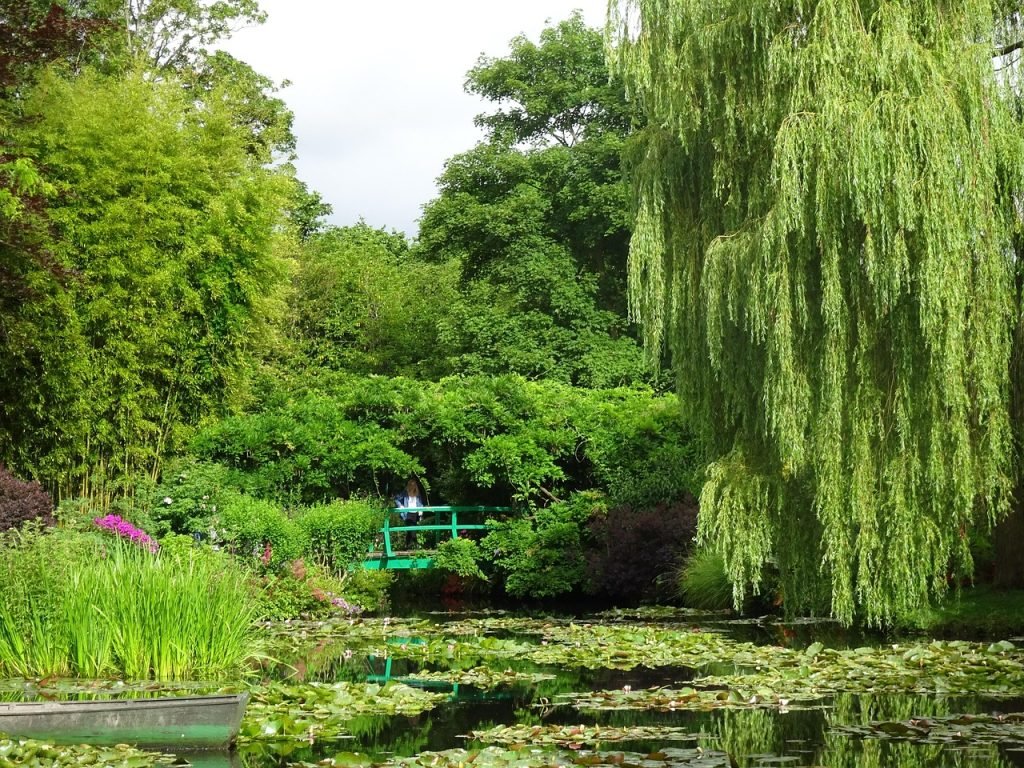
The famous lily pond: Standing beside the water lily pond where Monet created over 250 paintings in his revolutionary series, you’ll understand how obsessive observation of subtle light and color changes drove artistic innovation. The pond’s surface serves as a natural mirror, reflecting sky, clouds, and surrounding vegetation in constantly shifting patterns.
The Japanese bridge experience: Crossing Monet’s wisteria-draped Japanese bridge isn’t just a photo opportunity – it’s a chance to experience the same perspective that appears in dozens of his paintings. The bridge’s placement creates perfect viewing angles of the water garden while serving as both artistic subject and compositional element.
Bamboo grove tranquility: The water garden’s bamboo grove provides a secluded retreat where you can sit quietly and observe the interplay of light, water, and vegetation that fascinated Monet throughout his later years. This area often receives less visitor attention, making it perfect for contemplative moments.
Weeping willow magic: The massive weeping willows surrounding the pond create natural frames for viewing the water lilies while providing constantly changing patterns of light and shadow that exemplify the fleeting moments Impressionists sought to capture.
Museum of Impressionism Giverny: Context and Contemporary Connections
Beyond Monet: While Monet dominates Giverny’s artistic legacy, the Museum of Impressionism explores the broader movement he helped create. Rotating exhibitions feature works by Renoir, Pissarro, Sisley, and other Impressionist masters, providing context for understanding Monet’s innovations within the larger artistic revolution.
Contemporary relevance: The museum’s contemporary art exhibitions demonstrate how Impressionist principles continue influencing modern artists. These displays help visitors understand Impressionism’s lasting impact on how we perceive and represent the natural world.
Educational programs: The museum offers workshops, lectures, and family activities that make Impressionism accessible to visitors of all ages and artistic backgrounds. These programs can significantly enhance understanding for travelers genuinely interested in art history.
Giverny Entrance Fees and Practical Visiting Information
Pricing Structure and Value Analysis
Monet’s House and Gardens: Standard admission costs €12-15 per adult, with free or reduced admission for EU residents under 26. This price provides access to both the house and all garden areas, representing exceptional value considering the site’s historical significance and maintenance quality.
Museum of Impressionism: Separate admission costs approximately €7-10, with combination tickets sometimes available for modest savings. The museum visit typically requires 60-90 minutes for thorough exploration.
Annual pass considerations: For art enthusiasts planning multiple visits or extended stays in the region, annual passes provide excellent value while supporting ongoing preservation efforts.
Opening Hours and Seasonal Considerations
Operating season: Giverny opens from late March through early November, typically closing during winter months when gardens enter dormancy. Exact opening and closing dates vary slightly based on weather conditions and garden readiness.
Daily schedule: Standard hours run 9:30 AM to 6:00 PM, with last entry at 5:30 PM. These hours provide ample time for comprehensive exploration while ensuring adequate natural lighting for garden appreciation.
Closure days: Both Monet’s house and the Museum of Impressionism close on Mondays, making Tuesday through Sunday the available visiting window. Plan Paris itineraries accordingly to avoid disappointment.
What to Avoid in Giverny: Common Mistakes That Diminish the Experience
Transportation and Timing Blunders
The wrong station trap: Multiple train stations serve the Giverny area, but only Vernon-Giverny provides convenient shuttle bus connections to Monet’s house. Accidentally disembarking at Vernon center or other nearby stations means additional taxi costs or lengthy walks through less scenic areas.
Rush hour travel complications: Departing Paris during morning rush hour (8:00-9:30 AM) means crowded trains and potentially standing room only for the 45-minute journey. Slightly later departures (9:30-10:00 AM) provide more comfortable travel while still allowing early garden arrival.
Return trip oversights: Missing the last shuttle bus from Giverny to Vernon station (typically around 6:00 PM) means expensive taxi rides or complicated alternative transportation. Always confirm current shuttle schedules, as they can change seasonally.
Weather and Seasonal Miscalculations
Rainy day realities: While Monet painted in all weather conditions, rainy visits significantly limit garden enjoyment and photography opportunities. The house remains accessible, but gardens lose much of their magic when viewed through umbrella-obscured perspectives and waterlogged paths.
Peak season overwhelm: July and August bring maximum crowds, potentially creating theme park-like atmospheres that contradict Giverny’s intended peaceful, contemplative character. If summer visits are unavoidable, arrive at opening time for the best experience.
Winter closure surprise: Many Paris visitors discover too late that Giverny closes entirely from November through March. Always verify operating seasons when planning extended Paris stays or winter travel.
Photography and Experience Expectations
Instagram vs. reality: Social media images often show empty, perfectly manicured gardens that don’t reflect typical visiting conditions. Real Giverny includes other visitors, ongoing maintenance, and natural imperfections that actually enhance rather than diminish the authentic experience.
Camera equipment overkill: Professional photography equipment isn’t necessary for capturing Giverny’s beauty. Phone cameras work excellently for most situations, and the constantly changing light conditions make expensive equipment less crucial than good timing and patient observation.
Complete Giverny Experience Guide: Hour-by-Hour Itinerary for Art Lovers
8:30 AM: Paris Departure Strategy
Board the train at Gare Saint-Lazare, securing window seats for countryside views during the journey. Early departure ensures arrival at Giverny shortly after opening, providing optimal lighting and minimal crowds.
10:00 AM: Arrival and Initial Garden Exploration
Begin with the Clos Normand flower garden while morning light illuminates the colorful displays. This timing allows photography without harsh shadows while experiencing the garden’s awakening atmosphere.
11:00 AM-12:00 PM: House Interior Discovery
Explore Monet’s restored home during mid-morning when natural light streams through windows, illuminating the vibrant interior colors and Japanese art collection. Take time to appreciate how Monet’s domestic environment reflected his artistic sensibilities.
12:00-1:00 PM: Water Garden Contemplation
Visit the famous lily pond and Japanese bridge during optimal lighting conditions. Sit quietly beside the water, observing how light and color change moment by moment – the same observations that drove Monet’s artistic innovations.
1:00-2:30 PM: Village Lunch and Cultural Immersion
Enjoy lunch at local restaurants like Les Nymphéas or Le Jardin des Plumes, experiencing Norman cuisine while extending your cultural immersion beyond the tourist site boundaries.
2:30-4:00 PM: Museum of Impressionism Exploration
Visit the museum during afternoon hours when garden crowds peak. Air-conditioned galleries provide comfort while deepening understanding of Impressionist techniques and historical context.
4:00-5:30 PM: Final Garden Photography and Reflection
Return to the gardens during late afternoon golden hour for optimal photography conditions and peaceful contemplation. This timing often provides the most beautiful light and smallest crowds.
6:00 PM: Return Journey to Paris
Board the shuttle bus for Vernon station, ensuring comfortable train seating for the return journey to Paris.
Giverny Budget Planning: What Your Day Trip Actually Costs
Essential Expenses Breakdown
Transportation costs:
- Round-trip train tickets: €15-25 per person
- Vernon shuttle bus: €4-6 per person
- Total transport: €19-31 per person
Admission fees:
- Monet’s House and Gardens: €12-15 per person
- Museum of Impressionism (optional): €7-10 per person
- Total admissions: €12-25 per person
Minimum day trip cost: €31-56 per person for comprehensive access
Optional Enhancements and Realistic Budgeting
Dining options:
- Village restaurant lunch: €25-45 per person
- Café refreshments: €8-15 per person
- Picnic alternative: €10-15 per person for market purchases
Guided tour premiums: Full-day guided tours cost €80-150 per person but include transportation, admissions, and expert commentary, often representing good value for first-time visitors or those preferring structured experiences.
Extending Your Giverny Experience: Regional Attractions and Cultural Connections
Vernon: The Gateway Town Worth Exploring
Historic Vernon highlights: This charming Norman town offers beautiful medieval architecture, particularly the Collegiate Church of Notre-Dame with its Gothic and Renaissance elements. The old mill bridge provides picturesque views that complement your Impressionist day.
Dining and accommodation: Vernon’s restaurants serve excellent Norman cuisine featuring local ingredients like apple brandy, fresh seafood, and regional cheeses. For travelers planning overnight stays, Vernon offers more accommodation options than tiny Giverny village.
Transportation hub advantages: Vernon serves as a convenient base for exploring other Norman attractions, including Rouen (where Monet painted the cathedral series) and the Normandy coast that inspired many Impressionist seascapes.
Auvers-sur-Oise: Van Gogh’s Final Chapter
Artistic pilgrimage extension: Located just 35 kilometers from Giverny, Auvers-sur-Oise is where Vincent van Gogh spent his final 70 days, creating 70 paintings including some of his most celebrated works. Combining both sites creates a comprehensive Impressionist and Post-Impressionist experience.
Church and landscape connections: The Auvers church, depicted in van Gogh’s final paintings, and the surrounding wheat fields provide powerful artistic and emotional connections to Post-Impressionist development.
Combined tour options: Several tour operators offer combined Giverny-Auvers itineraries that provide broader artistic context while maximizing regional travel efficiency.
Your Giverny Adventure: Final Preparation and Expectations
Giverny offers something increasingly rare in our fast-paced world – the opportunity to slow down, observe carefully, and connect deeply with both natural beauty and artistic vision. This isn’t a destination for quick selfies and rushed sightseeing; it’s a place for contemplation, inspiration, and understanding how artistic genius emerges from careful attention to the world around us.
Pre-Visit Preparation Strategies
Artistic context building: Spend time viewing Monet’s Giverny paintings in Paris museums (Musée de l’Orangerie, Musée d’Orsay) before visiting the actual locations. This preparation creates “aha moments” when you recognize specific scenes and understand how artistic interpretation transforms reality.
Weather monitoring: Check detailed forecasts before finalizing travel dates. Giverny’s outdoor nature means weather significantly impacts experience quality. Sunny days with light clouds provide optimal conditions for both garden appreciation and photography.
Physical preparation: Giverny involves substantial walking on varied surfaces including gravel paths, wooden bridges, and occasionally muddy garden areas. Comfortable, weather-appropriate footwear is essential for enjoyment.
Setting Realistic Expectations
Crowd awareness: Even during optimal visiting times, Giverny attracts art lovers from around the world. Embrace the shared appreciation rather than expecting complete solitude, and remember that Monet himself entertained numerous visitors in these same gardens.
Seasonal limitations: Gardens are living entities that change dramatically based on weather, season, and natural cycles. Your visit might not match idealized images, but authentic seasonal beauty often provides more meaningful experiences than artificially maintained perfection.
Artistic inspiration potential: Many visitors find Giverny genuinely inspiring, encouraging creative pursuits, artistic appreciation, or simply renewed attention to natural beauty in daily life. Remain open to these unexpected impacts that extend far beyond typical tourist experiences.
Giverny represents one of art history’s most important sites, where you can literally walk through the landscapes that changed how humanity sees and represents the natural world. Plan thoughtfully, arrive prepared for contemplation rather than rapid sightseeing, and prepare for an experience that connects you directly to the origins of modern artistic vision.
Your journey into Impressionist history begins the moment you board that train at Saint-Lazare. Embrace the anticipation, prepare for sensory beauty, and get ready to see the world through the eyes of one of history’s most revolutionary artists.