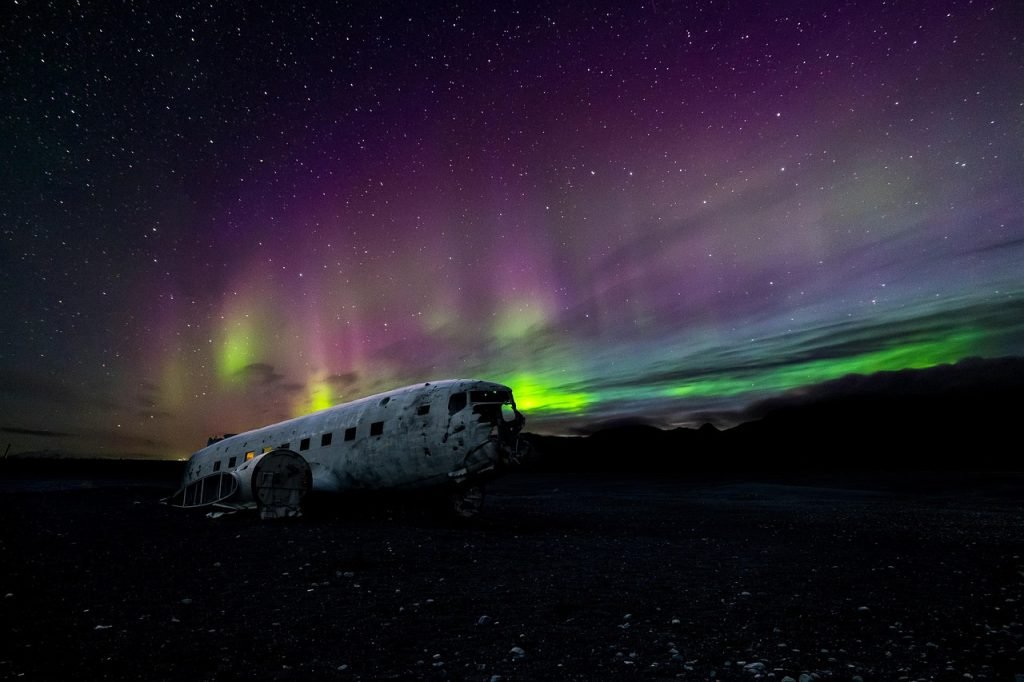
Planning an Iceland Northern Lights trip? You’ve come to the right place. After countless nights spent under Iceland’s dark skies—some disappointing, others absolutely magical—I’m sharing everything you need to know about experiencing the aurora borealis in one of the world’s most spectacular destinations.
Let me be brutally honest upfront: there are no guarantees with the Northern Lights. I’ve stood in perfect conditions with clear forecasts only to see nothing, and I’ve also witnessed the aurora dancing so brilliantly over Reykjavik that it outshone the city lights. This unpredictability is part of what makes aurora hunting both frustrating and incredibly rewarding.
Whether you’re a photography enthusiast hoping to capture that perfect shot or simply dreaming of witnessing nature’s greatest light show, this comprehensive guide covers the best times to visit, essential apps for tracking aurora activity, a realistic 7-day itinerary, and professional photography tips that actually work.
When to See Northern Lights in Iceland: The Science Behind the Best Timing
Prime Aurora Season: November Through December
November and December are Iceland’s aurora sweet spot, offering up to 19 hours of darkness per night—essential for spotting the Northern Lights. These months consistently deliver the clearest skies, particularly in western Iceland, significantly boosting your chances of success.
Here’s why these months outperform others:
- Minimal daylight interference: The sun sets as early as 3:30 PM in December
- Stable weather patterns: Less precipitation than January-February
- Optimal geomagnetic activity: Solar maximum periods often align with these months
- Accessible road conditions: Before the harshest winter weather sets in
Secondary Aurora Windows
While November-December reign supreme, consider these alternatives:
October & January: Good darkness hours with potentially clearer skies
February-March: Longer nights returning, but weather can be more volatile
September: Limited darkness but still possible for dedicated aurora hunters
Best Northern Lights Viewing Locations in Iceland
Snæfellsnes Peninsula: “Iceland in Miniature”
This UNESCO-protected region offers the perfect combination of dramatic landscapes and minimal light pollution. Kirkjufell mountain has become Iceland’s most Instagrammed aurora location for good reason—its distinctive shape creates stunning foreground compositions.
Why Snæfellsnes excels for aurora photography:
- Multiple composition opportunities along the coastline
- Accessible even in winter conditions
- Nearby accommodations in Grundarfjörður and Ólafsvík
Reykjanes Peninsula: Convenience Meets Dark Skies
Just 45 minutes from Keflavik Airport, this volcanic landscape provides excellent aurora opportunities without extended travel. The Garður lighthouse and surrounding black sand beaches offer dramatic foregrounds for your Northern Lights photography.
Thingvellir National Park: UNESCO World Heritage Aurora Viewing
Where tectonic plates meet and auroras dance—Thingvellir combines geological wonder with exceptional dark skies. The expansive rift valley provides unobstructed 360-degree views of the horizon.
South Coast Aurora Hotspots
Diamond Beach near Jökulsárlón glacier lagoon creates ethereal scenes with icebergs reflecting aurora light. Reynisfjara black sand beach offers dramatic basalt column foregrounds, though winter access requires caution.
Essential Northern Lights Apps: Your Digital Aurora Arsenal
Success in aurora hunting depends heavily on accurate, real-time information. These apps have proven invaluable during my Iceland adventures:
Primary Aurora Forecasting Apps
- My Aurora Forecast: Real-time KP index tracking with push notifications
- Aurora Forecast & Alerts: Combines geomagnetic data with cloud cover predictions
- Hello Aurora: Community-driven with live sightings and local tips
Weather and Safety Apps
- Vedur (Icelandic Met Office): Official weather forecasting with road condition updates
- Safe Travel Iceland: Real-time safety alerts and emergency information
- Road.is: Essential for winter driving condition updates
Pro tip: Check these apps multiple times daily. Aurora conditions can change rapidly, and being flexible with your plans often makes the difference between success and disappointment.
Critical Safety Considerations for Winter Aurora Hunting
Recent Volcanic Activity Impacts
The Reykjanes Peninsula has experienced significant volcanic activity, particularly affecting areas near the Blue Lagoon. Always check the latest volcanic updates before planning visits, as eruptions can cause sudden closures and dangerous conditions.
Ice Cave Safety Warnings
While ice caves create stunning photography opportunities, recent accidents have highlighted serious safety risks. Never attempt ice cave exploration without certified guides, and always monitor temperature fluctuations that can affect cave stability.
Winter Driving Realities
Icelandic winter roads demand respect:
- Rent a 4WD vehicle with studded tires
- Carry emergency supplies including food, water, and warm clothing
- Check road.is daily for closures and conditions
- Plan shorter driving distances than summer itineraries
The Ultimate 7-Day Northern Lights Itinerary for Iceland
This conservative itinerary prioritizes safety while maximizing aurora opportunities, incorporating flexibility for weather changes and including Iceland’s most spectacular winter attractions.
Day 1: Reykjavik Arrival & Reykjanes Peninsula Aurora Hunt
Morning: Arrive in Keflavik, collect rental car, drive to Reykjavik
Afternoon: Explore downtown Reykjavik, visit Hallgrímskirkja church, stock up on supplies
Evening: Drive to Reykjanes Peninsula for first aurora attempt near Garður lighthouse
Accommodation: Reykjavik city center for easy access
Day 2: Snæfellsnes Peninsula – Kirkjufell & Aurora Photography
Morning: Early departure for Snæfellsnes Peninsula (2-hour drive)
Day: Explore Kirkjufell mountain area, visit Arnarstapi and Hellnar coastal villages
Evening: Aurora photography session at Kirkjufell with mountain reflection opportunities
Accommodation: Grundarfjörður or Ólafsvík for proximity to prime aurora spots
Day 3: Thingvellir National Park – Tectonic Plates & Dark Skies
Morning: Drive to Thingvellir National Park via scenic Route 54
Day: Explore the continental divide, Almannagjá gorge, and visitor center
Evening: Aurora hunting in the park’s expansive dark sky areas
Accommodation: Nearby guesthouses in Laugarvatn or return to Reykjavik
Days 4-5: South Coast Adventure – Waterfalls, Glaciers & Aurora
Day 4 Highlights:
- Seljalandsfoss: Walk behind the 60-meter waterfall (weather permitting)
- Skógafoss: Climb 527 steps for panoramic views
- Reynisfjara: Black sand beach with basalt columns (exercise extreme caution near waves)
Day 5 Highlights:
- Jökulsárlón Glacier Lagoon: Floating icebergs and potential seal spotting
- Diamond Beach: Icebergs on black sand create surreal landscapes
- Evening aurora sessions at multiple south coast locations
Accommodation: Vík or Höfn for central south coast access
Days 6-7: Flexible Aurora Chasing & Adventure Options
Use these final days based on weather forecasts and aurora predictions. If conditions favor aurora activity, dedicate time to your most promising locations. If weather doesn’t cooperate, embrace Iceland’s incredible geothermal experiences and winter adventures:
Ice Cave Adventures (Proceed with Extreme Caution):
- Crystal Ice Caves at Vatnajökull: Stunning blue ice formations accessible via guided tours
- Katla Ice Caves: Black volcanic ash creates unique striped patterns in the ice
- ⚠️ CRITICAL SAFETY WARNING: Ice caves carry inherent risks including sudden collapse, hypothermia, and changing structural stability. Recent accidents have highlighted these dangers. NEVER attempt ice cave exploration without certified professional guides, and always verify current safety conditions and weather forecasts before booking.
Premium Geothermal Options:
- Blue Lagoon: Iconic milky blue waters (check volcanic activity status)
- Sky Lagoon: Oceanfront infinity experience near Reykjavik
- Fontana Geothermal Baths: Laugarvatn’s lakeside hot springs
Budget-Friendly Thermal Pools:
- Seljavallalaug: Hidden pool requiring a short hike
- Reykjadalur Hot Springs: Natural hot river (45-minute hike)
- Local swimming pools: Every Icelandic town has outdoor thermal pools
Northern Lights Photography Guide
Essential Camera Gear for Aurora Photography
Camera Bodies:
- Sony A7S III: Exceptional low-light performance, great for beginners
- Nikon Z6 III: Excellent dynamic range with user-friendly controls
- Canon R6 Mark II: Superior image stabilization for handheld shots
Lens Recommendations:
- Sigma 14mm f/1.8: Ultra-wide with fast aperture for stunning aurora captures
- Rokinon/Samyang 14mm f/2.8: Budget-friendly option with sharp results
- Sony FE 16-35mm f/2.8: Versatile zoom for composition flexibility
Critical Accessories:
- Carbon fiber tripod: Sturdy yet lightweight for extended outdoor use
- Remote shutter release: Prevents camera shake during long exposures
- Extra batteries: Cold drains power rapidly; keep spares warm in inner pockets
- Lens warmer strips: Prevents condensation during temperature changes
Managing Expectations: The Reality of Aurora Hunting
When Aurora Forecasts Don’t Deliver
Even with perfect KP index readings and clear skies, the Northern Lights can remain invisible to the naked eye while showing beautifully in camera long exposures. This phenomenon occurs frequently and isn’t failure—it’s part of the aurora experience.
What to do when auroras are faint:
- Continue photographing; your camera sees more than your eyes
- Try different compositions and settings
- Enjoy the experience of being under Iceland’s incredible night sky
- Remember that conditions can change rapidly throughout the night
Alternative Activities for Cloudy Nights
Iceland’s winter beauty extends far beyond the Northern Lights:
- Night photography: Capture Iceland’s dramatic landscapes under moonlight
- Geothermal relaxation: Soak in natural hot springs under starry skies
- Cultural experiences: Explore Reykjavik’s vibrant nightlife and cuisine
Accommodation Strategies for Aurora Hunters
Location-Based Booking Tips
Reykjavik Area:
- Book accommodations with northern exposure and minimal light pollution
- Consider guesthouses in suburban areas rather than city center
- Look for properties offering aurora wake-up calls
Rural Locations:
- Prioritize accommodations with flexible cancellation policies
- Choose places with 24-hour reception for late-night returns
- Verify heating systems work reliably in winter conditions
Budget vs. Luxury Options
Budget-Friendly:
- Hostels with aurora viewing areas
- Guesthouses in small towns
Luxury Experiences:
- Glass igloos and aurora domes
- Boutique hotels with panoramic windows
- Private aurora hunting tours with professional guides
Final Thoughts: Making the Most of Your Aurora Adventure
Chasing the Northern Lights in Iceland requires patience, flexibility, and realistic expectations. The aurora borealis remains one of nature’s most unpredictable phenomena, but that unpredictability is part of what makes witnessing them so special.
Key takeaways for aurora success:
- Visit during November-December for optimal conditions
- Use multiple apps for accurate forecasting
- Maintain flexible itineraries to adapt to weather changes
- Prioritize safety over photography opportunities
- Enjoy Iceland’s beauty regardless of aurora activity
Remember, Iceland offers incredible experiences beyond the Northern Lights. The country’s dramatic waterfalls, otherworldly glaciers, and rejuvenating geothermal baths ensure your trip will be memorable whether the aurora appears or not.
With proper preparation, realistic expectations, and a spirit of adventure, your Iceland Northern Lights journey will create memories lasting a lifetime—and maybe, just maybe, you’ll capture that perfect aurora photograph you’ve been dreaming of.
Ready to plan your aurora adventure? Start monitoring those forecasting apps, book accommodations with flexible policies, and prepare for one of travel’s most rewarding challenges. The Northern Lights are waiting.