The Cinematic Illusion vs. Statistical Reality
When most travelers think of Italy, two contrasting images often collide: sun-drenched piazzas filled with laughter and clinking wine glasses, versus shadowy alleyways where fictional mobsters conduct clandestine business. Thanks to decades of Hollywood dramatization, Italy has been unfairly branded as a dangerous destination dominated by organized crime. But here’s the truth that statistics tell us: Italy is remarkably safe, with violent crime rates that would surprise many visitors.
The murder rate in Italy hovers around 0.6 per 100,000 inhabitants – significantly lower than many developed nations and a fraction of what popular media might lead you to believe. To put this in perspective, you’re statistically more likely to be struck by lightning than become a victim of violent crime during your Italian vacation. The country’s violent crime statistics consistently rank among Europe’s lowest, painting a picture of safety that starkly contradicts its cinematic reputation.
Special Considerations for Women Travelers
The Statistical Reality for Women in Italy
While Italy maintains low violent crime rates overall, women travelers deserve specific guidance based on current realities and emerging trends. Recent data reveals a more complex picture that requires honest acknowledgment and practical response strategies.
While the majority of sexual violence cases among Italian residents still involve partners or acquaintances, the risk profile for tourists—particularly solo female travelers—differs significantly. Foreign women represent 23% of sexual violence victims despite being only 8% of the population, suggesting heightened vulnerability for non-Italian women.
Immigrants’ cultural differences regarding women’s autonomy, relatively lenient sentencing practices, and integration challenges have created specific risk patterns that female travelers should understand without compromising their travel experience. Italy has a really low rate of sexual violence crime, compared to EU statistics, however, we strongly recommend to be careful on the outskirts of big cities. Italy is beautiful, we know, but you have to keep your caution always on.
What Every Traveler Should Actually Worry About
While Italy’s violent crime rates tell a reassuring story, smart travelers should focus their attention on the genuine, everyday risks that could impact their journey. These aren’t the dramatic scenarios of movie plots, but rather the mundane yet frustrating crimes that affect tourists worldwide.
Pickpocketing: The Art Form You Don’t Want to Witness
Italy’s most prevalent tourist-targeted crime is pickpocketing, an unfortunate reality in many of the country’s most beloved destinations.
High-Risk Cities: Milan and Naples
The major tourist hotspots bear the brunt of this activity, with Milan and Naples leading the charge. These aren’t random acts of desperation, but rather sophisticated operations that target distracted tourists laden with cameras, smartphones, and overstuffed wallets. In Milan, pickpockets often operate around the Duomo, Central Station, and busy shopping districts like Corso Buenos Aires. Naples presents similar challenges, particularly around the train stations, on Circumvesuviana train to Pompei, and ferry terminals where travelers are juggling luggage and maps.
Common Pickpocketing Methods in Italy
The methods are varied and increasingly creative: the classic “bump and grab,” the distraction technique involving fake spills or arguments, and even coordinated team efforts where one person distracts while another executes the theft. Some pickpockets have evolved with technology, using signal-blocking devices to prevent stolen phones from being tracked.
Scams: The Theater of Tourist Deception
Italian tourist scams deserve their own category of criminal creativity, targeting visitors through sophisticated psychological manipulation and cultural exploitation.
Classic Street Scams in Italy
From the classic “gold ring” scam in Rome (where someone “finds” a ring near you, claims it’s valuable, then offers to sell it cheaply) to the friendship bracelet vendors who tie colorful threads around unsuspecting wrists before demanding payment, these schemes prey on tourists’ politeness and unfamiliarity with local customs.
The Petition and Signature Scam
One of the most pervasive scams across Italian cities involves individuals approaching tourists with clipboards, asking for signatures to support various “causes” – helping the poor, supporting children’s charities, or representing mysterious foundations. This petition scam follows a predictable pattern: after securing your signature and seemingly genuine interest, they immediately pivot to requesting monetary donations. These operators, often from Eastern European countries rather than Italy itself, work in organized groups and target areas with heavy tourist foot traffic.
Street Vendor Tactics: Bracelets and Roses
The street vendor dynamic presents a different but related challenge. African immigrants selling colorful bracelets and Pakistani vendors offering roses operate throughout Italy’s tourist zones. While these individuals are generally not dangerous, their sales tactics can be persistent and sometimes aggressive. The key understanding for travelers is that these aren’t spontaneous cultural exchanges – they’re commercial transactions where a firm “no” from the beginning prevents escalation.
Learning from Italian “Furbizia” (Street Smarts)
The golden rule for navigating these situations comes from observing local Italian behavior. Italians have developed what they call being “furbi” – street-smart and naturally skeptical of unsolicited approaches. Watch how locals handle these interactions: they typically walk past without making eye contact, ignore verbal appeals, and never stop to engage. If every Italian is avoiding someone or something, there’s usually a very good reason.
Vehicle-Related Crime: Geographic Hotspots to Navigate Carefully
While most of Italy presents minimal risk for car-related crimes, certain regions require heightened awareness.
High-Risk Regions for Car Crime
The Catania area in Sicily, parts of Foggia, and northern Puglia have higher incidences of car break-ins and theft. Similarly, certain areas of Calabria, Campania (particularly around Caserta), and some neighborhoods in Naples require extra caution when parking vehicles.
Common Vehicle Crime Methods
These crimes typically target rental cars (easily identifiable by their license plates), vehicles with visible luggage or electronics, and cars parked in poorly lit or isolated areas. The thieves often work quickly, breaking windows or picking locks to access belongings, making their escape before detection.
Carjacking Incidents in Italy
Some areas have seen increases in carjacking, though these incidents remain relatively rare and typically occur in specific neighborhoods rather than tourist areas.
Regional Safety Breakdown: A Traveler’s Geographic Guide
Northern Italy: Urban Sophistication with Urban Challenges
Northern Italian cities like Milan, Venice, and Turin generally maintain excellent safety records for violent crime, but their popularity with tourists makes them prime hunting grounds for petty criminals. Milan’s efficiency and cosmopolitan atmosphere shouldn’t lull travelers into complacency – the city’s pickpocketing rates rival those of major European capitals.
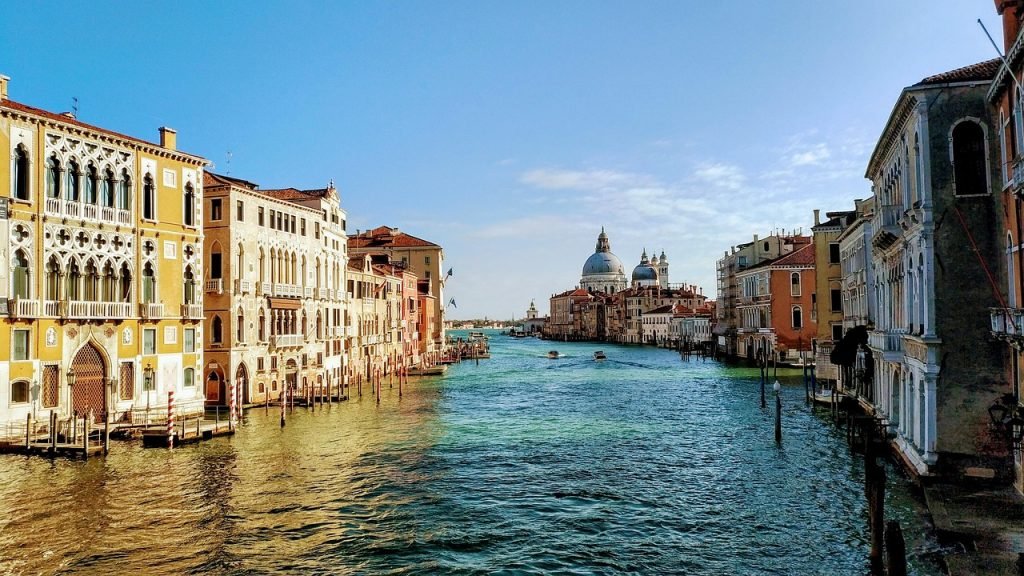
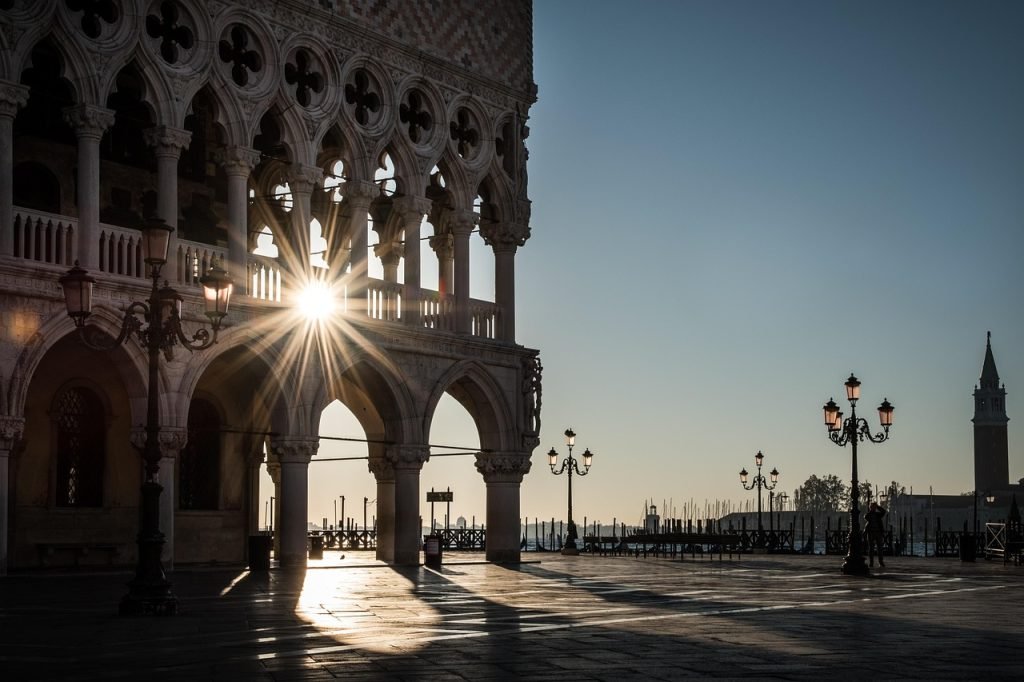
Venice presents unique challenges due to its labyrinthine layout and crowded conditions. Pickpockets take advantage of narrow bridges, packed water bus stops, and confused tourists consulting maps. However, the city’s isolation and heavy police presence make it relatively safe from more serious crimes.
Central Italy: Balancing Tourism with Safety
Rome, Florence, and other central Italian destinations face the classic challenge of protecting millions of annual visitors while maintaining their historic charm. Rome’s tourist areas are heavily patrolled, but the sheer volume of visitors creates opportunities for skilled pickpockets and scam artists.
Florence’s compact historic center concentrates both tourists and opportunistic criminals in a small area, making awareness particularly crucial around major attractions like the Uffizi, Ponte Vecchio, and Duomo.
Southern Italy: Dispelling Myths, Acknowledging Realities
Southern Italy bears the unfair burden of stereotypes perpetuated by media portrayals of organized crime. While regions like Calabria, Campania, and Sicily do have higher rates of certain crimes, tourists are rarely affected by organized criminal activity. The real risks remain petty theft, scams, and vehicle-related crimes in specific areas.
Naples, despite its reputation, offers incredible experiences for aware travelers. The city’s energy and authenticity are unmatched, but visitors should exercise standard urban precautions, particularly around transportation hubs and busy markets.
The Mafia Myth: Separating Entertainment from Reality
The elephant in the room for many potential Italy travelers is the specter of organized crime. Decades of films, television shows, and sensationalized news coverage have created a distorted image of Italy as a country where mobsters lurk around every corner. This perception does a tremendous disservice to both Italy’s reputation and travelers’ experiences.
The reality is far more nuanced and reassuring. While organized crime does exist in Italy (as it does in every country), it operates in ways that rarely intersect with tourism. Modern Italian organized crime groups focus primarily on financial crimes, drug trafficking, and business infiltration – activities that occur far from tourist areas and have no interest in harming visitors.
Italian law enforcement has made tremendous strides in combating organized crime, with specialized units, international cooperation, and sophisticated investigation techniques yielding consistent results. The dramatic shootouts and territorial wars depicted in movies are largely historical artifacts, replaced by more subtle criminal enterprises that avoid public attention.
For tourists, the statistical likelihood of encountering organized crime activity is virtually zero. These groups have no incentive to target visitors, who bring vital revenue to local economies. In fact, many areas with historical organized crime presence have some of Italy’s lowest tourist crime rates, as these regions work particularly hard to maintain positive reputations.
Practical Safety Strategies: Your Italian Adventure Toolkit
Smart Money Management in Italy
Distributing Cash and Cards
The foundation of safe travel in Italy begins with smart money management. Distribute your cash across multiple locations – some in your wallet, some in a money belt, and emergency funds in a completely separate location. Consider using a dummy wallet with small bills and expired cards to satisfy any potential pickpocket while keeping your real valuables secure.
Digital Payments and Cash Needs
Digital payments are increasingly accepted throughout Italy, reducing the need to carry large amounts of cash. However, always have some euros on hand for small establishments, public transportation, and situations where cards aren’t accepted.
Document Security Best Practices
Document security deserves equal attention. Carry photocopies of your passport, driver’s license, and important cards while keeping originals in your hotel safe. Many smartphones allow you to store encrypted photos of documents, providing backup access if needed.
Transportation Safety Intelligence
Public Transportation Security
Each mode of Italian transportation presents unique safety considerations. On public transportation, remain aware of your surroundings, keep bags zipped and in front of your body, and avoid displaying expensive electronics or jewelry. Train stations, particularly in major cities, attract pickpockets who target distracted travelers juggling luggage and tickets.
Taxi and Ride-Share Safety
When using taxis, ensure the meter is running or agree on a fare beforehand. Legitimate taxis have official markings and licensed drivers. Ride-sharing apps like Uber operate in major Italian cities and provide additional security through trip tracking and cashless payments.
Vehicle Rental Security Tips
For those renting vehicles, choose parking areas carefully. Well-lit, busy locations near legitimate businesses offer better security than isolated spots or areas with limited visibility. Never leave luggage, electronics, or anything valuable visible in your car, as this attracts smash-and-grab thieves who can break a window and escape in seconds.
Cultural Awareness and Scam Prevention
Understanding Italian culture and common scam patterns provides powerful protection against fraud and manipulation. Italians generally dress more formally than tourists, making visitors easily identifiable to criminals. Consider adjusting your wardrobe to blend in better – this doesn’t mean expensive clothes, but rather avoiding obvious tourist markers like fanny packs, obvious cameras, and clothing with destination logos.
Learn to recognize common scam setups: overly friendly strangers offering help or information, individuals who approach you with hard-luck stories or urgent requests, and anyone who tries to put something on your person (jewelry, flowers, etc.) without your explicit consent. Be particularly wary of clipboard-carrying individuals asking for signatures – legitimate charities don’t operate through street solicitation in Italy. The moment someone approaches you with a petition or asks you to sign something for a “good cause,” politely decline without stopping or engaging in conversation.
The psychology behind these scams relies on Western politeness and the natural inclination to help others. However, genuine interest or engagement signals to scammers that you’re a potential target. Never accept items from street vendors with the assumption you can examine them and hand them back – once something is in your hands, they’ll demand payment and can become confrontational.
The best response to all these situations is immediate, polite but firm disengagement. A simple “No, grazie” (No, thank you) while continuing to walk is usually sufficient. Don’t feel rude – you’re following local customs and protecting yourself from manipulation.
The Verdict: Italy’s True Safety Profile
After examining statistics, understanding real risks, and dispelling Hollywood-fueled myths, Italy emerges as a fundamentally safe destination that welcomes millions of visitors annually without incident. The country’s safety challenges mirror those of any popular tourist destination: petty theft, scams, and the need for standard urban awareness.
The murder rates speak volumes about Italy’s actual safety profile – among the lowest in the world, contradicting any suggestion that violence poses a significant risk to travelers. The vast majority of crimes affecting tourists are property-related and preventable through awareness and basic precautions.
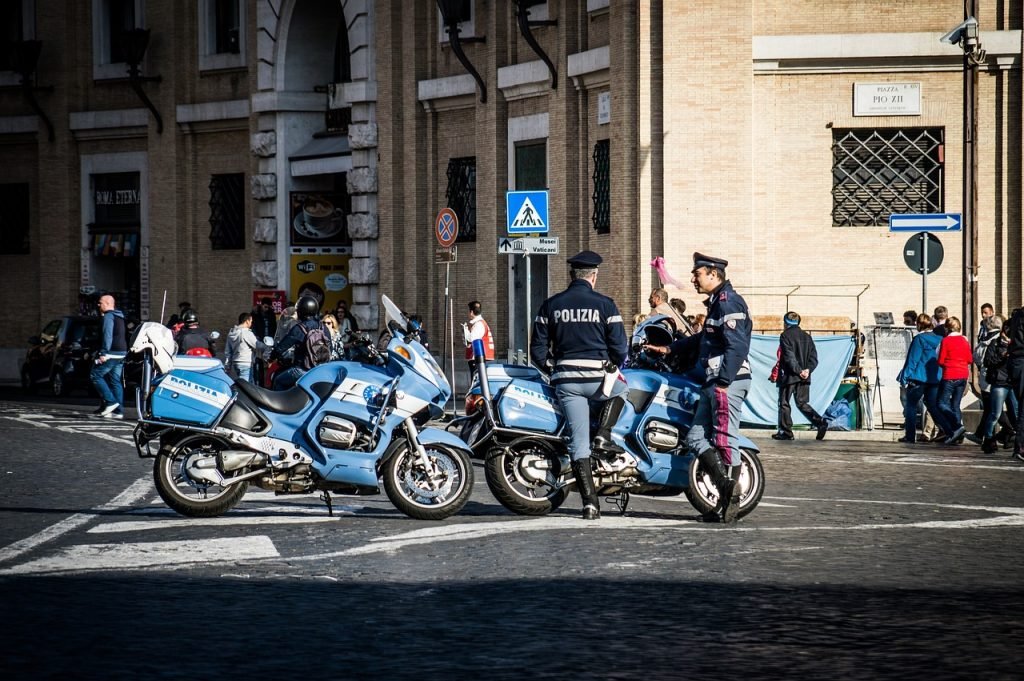
Italy’s law enforcement agencies are professional, well-trained, and experienced in protecting tourists. The country’s economy depends heavily on tourism, creating powerful incentives to maintain safe environments for visitors. From the efficient Carabinieri to local police forces, Italian authorities understand that tourist safety directly impacts national prosperity.
The regional variations in crime rates should inform travel planning without deterring exploration. Every destination has areas requiring extra caution – this doesn’t make them dangerous, just places where awareness matters more. The key is understanding these variations and adjusting behavior accordingly.
Conclusion: Embrace Italy with Informed Confidence
Italy deserves to be experienced without the shadow of unwarranted fears or exaggerated security concerns. The country offers extraordinary cultural richness, breathtaking landscapes, incredible cuisine, and warm hospitality that have attracted travelers for centuries. These experiences shouldn’t be diminished by Hollywood stereotypes or overblown safety concerns.
Smart travelers prepare for realistic risks while maintaining the openness and curiosity that make travel rewarding. Italy’s true safety profile – low violent crime, manageable property crime, and professional law enforcement – provides a foundation for confident exploration. The pickpockets in Milan’s Duomo square and the car break-ins in certain southern regions represent manageable challenges, not insurmountable obstacles.
Italy is safe, but we are here to make sure you avoid stumbling into the wrong place. Contact us and we will warn you about any potential problems that could ruin your vacation.