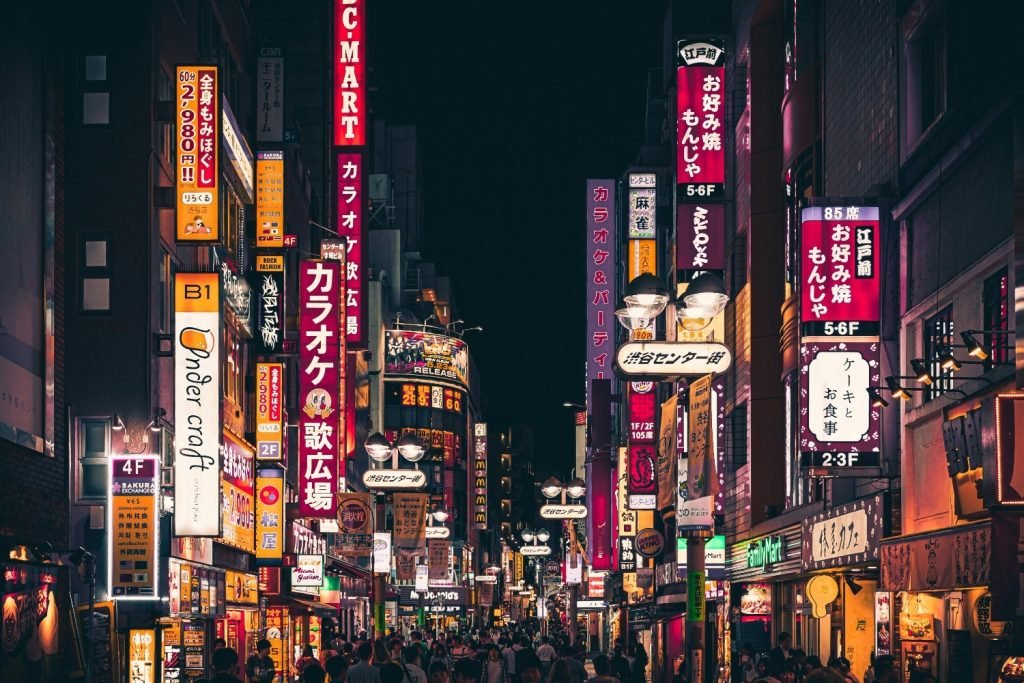
Planning your first trip to Japan? Here are the essential Japan travel tips that will save you time, money, and embarrassment – straight from someone who learned the hard way through multiple visits and countless rookie mistakes.
You’ve booked your flight to Japan, scrolled through countless Instagram photos of cherry blossoms and neon-lit streets, binged every travel vlog about Tokyo, and now you’re wondering: “What the hell do I actually need to know to not look like a complete tourist disaster?”
After watching countless first-time visitors make the same predictable mistakes (and having made most of them myself), I’m here to give you the real Japan travel tips that glossy guidebooks skip over. This isn’t your typical “bow respectfully and remove your shoes” advice – this is the practical, boots-on-the-ground stuff that’ll make or break your trip and determine whether you return home with amazing stories or stress-induced nightmares.
Why Japan Will Surprise You (And Not Always Pleasantly)
Before we dive into the essential Japan travel tips, let’s address the massive elephant in the room: Japan is absolutely nothing like what you expect, and that cognitive dissonance will hit you harder than jet lag.
Yes, it’s incredibly advanced in ways that will blow your mind – trains run on time to the literal second (not minute, second), toilets have more technological features than most people’s cars, robots serve you coffee with a smile, and everything operates with clockwork precision that would make Swiss watchmakers weep with envy.
But paradoxically, you’ll find yourself digging through your wallet for physical cash like it’s 1995, wandering the streets desperately searching for a trash can (spoiler alert: there aren’t any), discovering that “24/7 convenience” doesn’t always extend to ATMs that actually accept your foreign card, and realizing that the most technologically advanced society on Earth still faxes important documents.
This contradiction between futuristic efficiency and stubborn traditionalism is what makes visiting Japan both absolutely magical and occasionally maddening. The sooner you accept this duality and stop trying to apply Western logic to Japanese systems, the sooner you’ll start enjoying the beautiful chaos. Let’s navigate it together.
Transportation: Your First Reality Check
The IC Card: Your New Best Friend and Financial Lifeline
Get a Suica or Pasmo card the absolute moment you land at the airport. Not after you check into your hotel, not tomorrow morning when you’re “more organized,” not after you’ve had a coffee and feel ready to tackle public transport – immediately upon arrival. These little plastic saviors work on virtually every train, subway, bus, and even some vending machines across the entire country, from Hokkaido to Okinawa.
Here’s what nobody tells you in those cheerful travel guides: You don’t need to understand Japan’s incredibly complex, zone-based fare system that would confuse a mathematics professor. Just tap your card to enter the station, tap again to exit, and the correct amount is magically deducted. It’s like having a transportation cheat code that eliminates 90% of the stress and confusion that destroys most tourists’ first day.
Where and how to get one: Any JR station ticket machine (they’re everywhere and impossible to miss). Look for the English language option button, insert ¥2,000 (which includes a ¥500 refundable deposit plus ¥1,500 in usable credit), follow the simple prompts, and you’re officially ready to navigate Japan’s transport system like a pro. Pro tip: You can add more money to your card at any station machine or many convenience stores.
Japan Rail Pass: Do the Math, Not the Marketing Hype
The Japan Rail Pass (JR Pass) is heavily marketed to tourists with the intensity of a late-night infomercial, but here’s the uncomfortable truth: it’s not always worth the investment, despite what every travel blog seems to claim.
Buy it if you’re doing any of these:
- The classic Tokyo-Kyoto-Osaka circuit (the “Golden Route”)
- Taking more than 2 long-distance shinkansen (bullet train) trips during your stay
- Staying 7+ days with significant intercity travel planned
- Planning to visit multiple regions like Kansai, Chubu, and Kanto
Skip it completely if:
- You’re staying primarily in one city or region
- You’re budget traveling and planning to use local trains only
- Your entire trip is under 5 days
- You’re the type of traveler who prefers to explore neighborhoods on foot
The honest math: A Tokyo-Kyoto roundtrip shinkansen ticket costs approximately ¥26,000. A 7-day JR Pass costs ¥29,650. Before you automatically assume the pass is better value, calculate your actual planned itinerary costs, not your wishful “maybe I’ll spontaneously visit 12 cities” thinking. Many first-time visitors buy the pass and end up using it for expensive local train rides that would have cost ¥200 each.
Money: Welcome to 1995 (With a Smartphone Twist)
This is where Japan trip planning gets genuinely weird and will challenge everything you think you know about modern commerce. You’re visiting a country where you can pay for a train ticket by waving your smartphone, use facial recognition to enter some buildings, and buy hot coffee from a vending machine using an app – but the incredible ramen shop next door, the one with a Michelin star, only accepts cold, hard cash.
Cash is Still King (Unfortunately for Your Wallet’s Weight)
Carry more physical cash than feels psychologically comfortable for a modern traveler. I’m talking ¥50,000-100,000 for a week-long trip, which sounds completely insane when you’re used to tapping cards for everything. Yes, walking around with $300-600 in cash feels risky and old-fashioned, but you’ll thank me profusely when you’re not frantically searching Google Maps for the nearest ATM at 11 PM because the amazing local restaurant everyone recommended doesn’t take cards, Apple Pay, or even checks from crying tourists.
Getting Cash: The Great ATM Treasure Hunt
Your salvation: 7-Eleven ATMs, which are scattered across Japan like digital oases in a cash-only desert. They work 24/7 (actually 24/7, not “closed for maintenance” 24/7), accept most international cards without drama, have English language options, and charge reasonable fees. Post office ATMs are your reliable backup plan and generally have good exchange rates.
Avoid like the plague: Random bank ATMs scattered around the city, especially in rural areas or smaller towns. They’ll reject your foreign card faster than you can say “arigatou” and leave you standing there feeling like a financial pariah. Many Japanese bank ATMs simply don’t have the international capability, regardless of what symbols are displayed on your card.
Digital Money Tools That Actually Work
Revolut or Wise cards are genuinely excellent for Japan travel and will save you significant money on exchange rates. They offer competitive conversion rates, work reliably at major stores and department chains, and are perfect for ATM withdrawals when you inevitably need more cash. But here’s the reality check: even with these modern solutions, you’ll still need physical cash for approximately 40% of your transactions, especially at smaller businesses, street food vendors, and traditional establishments.
Staying Connected: SIM Cards vs. eSIM vs. Pocket WiFi
eSIM: The Obviously Smart Choice (If Your Phone Supports It)
For most modern travelers with compatible smartphones, eSIM is definitively the way to go. Here’s why it beats every other option:
Best eSIM options for Japan:
- Ubigi: Rock-solid network coverage that works everywhere from Tokyo skyscrapers to rural mountain villages
- Holafly: Unlimited data plans that are tourist-friendly with excellent customer support
- Airalo: Competitive pricing with multiple Japanese carrier options to choose from
Why eSIM consistently wins: Instant activation before you even board your plane, no airport queues when you’re tired and jet-lagged, ability to keep your home phone number active for important calls, usually significantly cheaper than rental alternatives, and no physical device to lose, damage, or remember to return.
Pocket WiFi: When to Actually Consider This Option
Get a pocket WiFi rental device only if:
- You’re traveling in a group and want to share one internet connection
- Your smartphone doesn’t support eSIM technology (older models)
- You need backup internet access (smart choice for business travelers)
- You have multiple devices that need internet access
Reality check: You’ll need to charge yet another electronic device daily, carry it everywhere like a digital pet, remember not to lose it in restaurant bathrooms, and deal with the stress of returning it properly at the airport. For most solo travelers, eSIM is simply more convenient and reliable.
Cultural Survival: The Unspoken Rules That Matter
Train Etiquette (AKA How Not to Be “That Obvious Tourist”)
The cardinal rules that locals actually care about:
- Silent trains: No phone calls ever (seriously, people will stare), keep conversations to whisper-quiet levels
- Backpack management: Remove it in crowded trains and hold it in front of you (this is huge – ignoring this marks you immediately as inconsiderate)
- Boarding etiquette: Always let people exit first, then board calmly without pushing
- Priority seats: Immediately give them up for elderly, visibly pregnant, or disabled passengers – no hesitation
- Standing position: If you’re standing, don’t lean against doors or block aisles
Restaurant Reality: Navigating Food Without Fluent Japanese
Ordering strategies that actually work:
- Vending machine restaurants: Insert money, press buttons with pictures, hand the printed ticket to the chef – foolproof system
- Picture menus: Point confidently at what looks appealing – universal language
- Plastic food displays: Take photos with your phone, show the staff – they’re used to this
- Google Translate camera feature: Absolute lifesaver for text-only menus – works surprisingly well
- Gesturing: Don’t be shy about pointing and using basic hand signals
Critical rule: No tipping, ever, anywhere, for any reason. It’s not expected, not appreciated, and can actually be refused or cause genuine confusion. The price on the menu is the price you pay.
Food: Beyond Instagram-Perfect Sushi
Convenience Store Food is Legitimately Excellent
7-Eleven, Lawson, and FamilyMart aren’t just overpriced snack stops like in other countries. They serve genuinely delicious, surprisingly fresh meals 24 hours a day at incredibly reasonable prices. Perfect for jet-lagged breakfast, late-night hunger pangs, or when you’re too overwhelmed by restaurant choices to make a decision.
Must-try items: Onigiri (rice balls with various fillings), karaage (perfectly crispy fried chicken), surprisingly decent coffee that rivals café chains, and seasonal items that change regularly.
Dining Etiquette That Actually Matters to Locals
- No eating while walking (except during festivals where it’s specifically encouraged)
- Slurp your noodles loudly – it’s not rude, it’s proper technique and shows appreciation
- Say “itadakimasu” before eating – not required but genuinely appreciated by restaurant staff
- Never stick chopsticks upright in rice – this resembles funeral ceremony practices and is considered very bad luck
- Finish everything on your plate – leaving food is considered wasteful and potentially insulting
Essential Apps You Actually Need (Not the 47 Apps Other Guides Recommend)
The Big Four That Matter
- Google Maps: Download offline maps for your areas – works without data connection, essential for navigation
- Google Translate: The camera translation feature for menus is genuinely magical and will save you constantly
- Hyperdia: Train schedules, route planning, and fare calculations – more detailed than Google Maps for rail travel
- IC Card Reader: Check your transit card balance easily (optional but surprisingly handy)
Language Barriers: The Uncomfortable Reality
Most major signs have English translations in big cities like Tokyo and Osaka. Restaurant staff? Absolutely not, especially outside major tourist areas. Don’t expect English conversations outside tourist zones, and honestly, that’s perfectly okay and part of the authentic experience.
Essential phrases to learn properly:
- “Arigatou gozaimasu” (Thank you very much) – use this constantly
- “Sumimasen” (Excuse me/Sorry) – your most versatile word
- “Eigo ga hanasemasu ka?” (Do you speak English?) – saves time and awkwardness
What Nobody Tells You: The Uncomfortable Truths
The Great Trash Can Mystery
There are virtually no public trash cans anywhere in Japan – not on streets, not in parks, not near vending machines. You’ll carry empty coffee cups, snack wrappers, and tissues for hours like a mobile garbage collector. Convenience stores usually have small bins outside their entrances, and that’s essentially your only salvation. Always carry a small bag for your accumulated trash.
The Confusing Smoking Paradox
You absolutely cannot smoke cigarettes on most streets (there are hefty fines), but you can smoke freely in many restaurants, bars, and designated indoor areas. Smoking sections and rooms are everywhere, often without warning signs. Non-smokers should be prepared for unexpected encounters with cigarette smoke in places where you’d never expect it.
The Subtle Foreigner Tax
Some establishments charge foreigners slightly more, not through official policy but through subtle pricing differences or “tourist menus.” It’s not universally common, but it happens, especially in tourist-heavy areas like Shibuya or areas near major temples. Learning to recognize fair local pricing helps avoid this.
The Final Honest Japan Travel Tips
- Download offline maps before exploring each day – cell service isn’t always perfect, especially in buildings or underground areas
- Carry a high-capacity portable charger – you’ll drain your phone battery constantly with translation apps, navigation, and photography
- Book restaurant reservations through your hotel concierge – they’re genuinely happy to help and many popular places require reservations that are difficult to make without Japanese language skills
- Expect significant culture shock – embrace the confusion and disorientation, it’s an integral part of the transformative experience
- Don’t over-plan every minute – leave substantial room for spontaneous discoveries and serendipitous encounters
- Learn to use chopsticks properly before you arrive – you’ll eat more comfortably and blend in better
- Always respect photography rules and etiquette – ask permission before photographing people, avoid photos in certain religious or cultural sites
- Bring comfortable walking shoes – you’ll walk significantly more than you anticipate, often on uneven surfaces
The Bottom Line: Japan is Absolutely Worth Every Bit of Effort
Visiting Japan as a first-time visitor is simultaneously overwhelming, occasionally confusing, and sometimes genuinely frustrating. It’s also one of the most rewarding, perspective-changing travel experiences you’ll ever have in your lifetime.
Japan rewards careful preparation and ruthlessly punishes incorrect assumptions. Follow these comprehensive Japan travel tips, expect the completely unexpected, mentally prepare for constant surprises, and get ready for a trip that’ll fundamentally change how you see the world, travel, and cultural differences.
Remember: Every confused moment standing in front of a ticket machine, every cultural misunderstanding with restaurant staff, every time you accidentally bow to a vending machine – it’s all part of the incredible adventure and the stories you’ll tell for years.
Ready to seriously plan your trip? Start immediately with getting that IC card, downloading those essential apps, stocking up on cash, and mentally preparing for the most politely efficient, beautifully organized chaos you’ve ever experienced.
Have specific questions about your upcoming Japan trip? Contact me directly – I’ve probably made that exact mistake myself and learned the hard way.
FAQ: Your Most Common Japan Travel Questions Answered
Q: Is the JR Pass actually worth it for a 5-day Tokyo-focused trip?
A: Probably not worth the investment. You’ll primarily use local trains and subways within Tokyo, where the JR Pass provides extremely limited value. Stick with a regular IC card and save your money for better food and experiences.
Q: How much cash should I realistically carry each day?
A: About ¥10,000-15,000 per day for meals, local transport, shopping, and emergency expenses. Adjust based on your personal spending habits and planned activities.
Q: Can I rely on my phone’s GPS without purchasing a SIM card or eSIM?
A: Yes, if you download comprehensive offline maps beforehand, but you’ll miss real-time updates, train delays, and route changes. eSIM is worth the cost for navigation capabilities alone.
Q: Are credit cards widely accepted throughout Japan?
A: In major department stores, chain hotels, and international businesses, yes. In smaller restaurants, local shops, street vendors, and traditional establishments, cash remains king. Always maintain substantial backup cash.
Q: What’s the single biggest mistake first-time visitors consistently make?
A: Not carrying nearly enough cash and severely underestimating how frequently you’ll rely on Google Translate for basic communication. Prepare thoroughly for both challenges before you arrive.