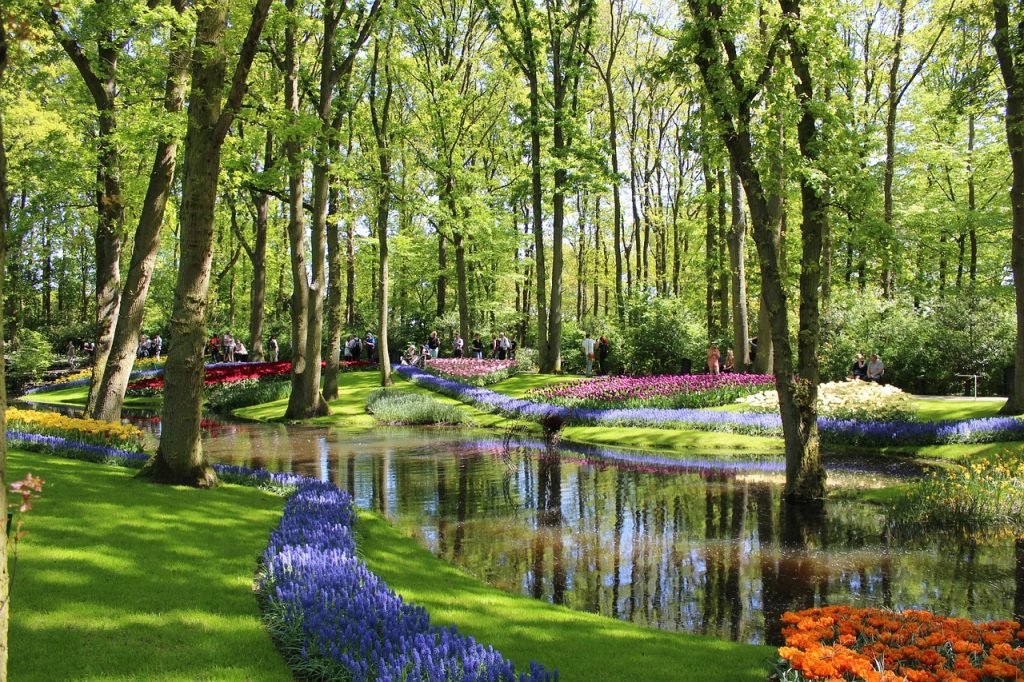
Keukenhof isn’t just a garden—it’s a temporary masterpiece that exists for only eight weeks each year, transforming 79 acres of Dutch countryside into the most spectacular flower show on Earth. This is where seven million bulbs burst into bloom simultaneously, creating a riot of color so intense it almost seems unreal. But here’s the thing about Keukenhof: it’s both everything you expect and completely different from what you imagine.
The Honest Truth About Keukenhof
Let’s start with reality: Keukenhof is crowded, expensive, and absolutely worth every euro and elbow-bump with fellow flower enthusiasts. This isn’t a hidden gem—it’s one of the world’s most famous seasonal attractions, drawing 1.5 million visitors during its brief spring opening. But when you’re standing in front of endless waves of tulips stretching to the horizon, with the sweet scent of hyacinths carried on the spring breeze, you’ll understand why people travel halfway around the world for this experience.
When to Go: Timing Your Tulip Adventure
The Season: Mid-March to Mid-May Keukenhof typically opens around mid-March and closes in mid-May, with exact dates varying slightly each year based on weather conditions. The 2024 season usually runs from March 21 to May 12, but always check the official website for current year dates before planning your trip.
Peak Bloom Magic
- Early April: Crocuses and early tulips dominate, with fewer crowds
- Mid-April: Peak tulip season with maximum variety and intensity
- Late April/Early May: Later tulips, daffodils, and hyacinths create a different but equally stunning display
The Sweet Spot For the perfect balance of blooms and manageable crowds, aim for the second or third week of April. Weekday visits are significantly less crowded than weekends, and early morning arrivals (gates open at 8 AM) offer the best photography opportunities and peaceful moments before the tour buses arrive.
Weather Reality Check Dutch spring weather is notoriously unpredictable. Pack layers, waterproof shoes, and a rain jacket regardless of the forecast. The gardens are beautiful in light rain, but muddy paths and wet benches are part of the authentic Dutch spring experience.
Getting There: Your Journey to Flower Paradise
From Amsterdam: Multiple Routes to Magic
Option 1: The Direct Bus (Easiest) The Keukenhof Express Bus 858 runs directly from Amsterdam Centraal Station to Keukenhof during the season. The journey takes about 45 minutes and costs approximately €5 each way. Buses run every 20 minutes during peak times, and you can buy tickets from the driver or at the station. This is the most straightforward option for first-time visitors.
Option 2: Train + Bus Combo (Most Flexible) Take the train from Amsterdam to Haarlem (15 minutes, €4.20), then catch Bus 50 to Keukenhof (30 minutes, €3.50). This route offers more flexibility with departure times and gives you a chance to see the charming city of Haarlem if you want to extend your trip.
Option 3: Rent a Car (For Tulip Field Explorers) Driving gives you the freedom to explore the surrounding tulip fields at your own pace. Parking at Keukenhof costs €6 per day, and the drive from Amsterdam takes about 45 minutes. However, traffic can be heavy during peak bloom times, especially on weekends.
From Other Dutch Cities:
- The Hague: Direct bus 51 (45 minutes)
- Leiden: Bus 854 (30 minutes)
- Schiphol Airport: Direct bus 858 (30 minutes)
The Cost Reality: What You’ll Actually Pay
Admission Prices (2024 rates):
- Adults: €19.50 online, €21.50 at the gate
- Children (4-17): €9 online, €10.50 at the gate
- Children under 4: Free
- Seniors (65+): €19.50 online, €21.50 at the gate
Money-Saving Tips:
- Book online in advance for €2 discount per ticket
- Combined transport + entrance tickets often offer better value
- Group discounts available for 20+ people
- Annual passes (€45) make sense if you’re visiting multiple times or staying in the Netherlands for several weeks
Additional Costs:
- Parking: €6 per day
- Food: €8-15 for café meals, €5-8 for snacks
- Souvenirs: €3-50+ depending on your tulip bulb ambitions
- Boat tours: €9 for 45-minute canal cruise through the park
What to Expect: Beyond the Instagram Photos
The Layout: Designed for Wonder Keukenhof is meticulously planned by landscape architects who create themed gardens that tell stories through flowers. The English Landscape Garden showcases informal naturalistic plantings, while the Historical Garden demonstrates how Dutch bulb cultivation has evolved over centuries. The Japanese Country Garden offers a serene contrast with its subtle colors and contemplative design.
Indoor Pavilions: Year-Round Blooms Four pavilions house rotating flower shows throughout the season. The Oranje Nassau Pavilion typically features elaborate tulip displays, while the Beatrix Pavilion showcases other spring flowers and exotic plants. These climate-controlled spaces are perfect for rainy days and offer different perspectives on Dutch flower culture.
Photography Paradise Every path offers Instagram-worthy shots, but the most spectacular views are from the historic windmill (climb it for a small fee) and the various themed gardens. Early morning and late afternoon provide the best lighting, and weekday visits mean fewer people in your photos.
The Tulip Fields: Keukenhof’s Spectacular Neighbors
The Real Dutch Experience: Cycling Through Flower Fields
While Keukenhof is magnificent, the surrounding Bollenstreek (Bulb Region) offers an even more authentic Dutch experience. Vast commercial tulip fields stretch for miles in every direction, creating a patchwork quilt of colors that changes weekly as different varieties bloom.
Bike Rental Options:
- At Keukenhof: Limited bike rental available on-site (€12 per day)
- Lisse town center: Multiple rental shops (€8-15 per day)
- Voorhout: Bike rental with tulip field route maps (€10 per day)
The Famous Tulip Field Routes:
Route 1: The Lisse Loop (12 km) Starting from Keukenhof, this easy route takes you through the heart of the bulb region. You’ll pass working tulip farms, small villages, and roadside flower stalls. The route is well-marked and mostly flat, perfect for casual cyclists.
Route 2: Noordwijk Coastal Adventure (25 km) For stronger cyclists, this route combines tulip fields with North Sea coastal views. You’ll cycle through Noordwijk’s beach town atmosphere before returning through flower fields. It’s hillier than other routes but offers diverse scenery.
Route 3: The Bulb Region Grand Tour (40 km) This ambitious route covers the entire Bollenstreek, passing through Lisse, Hillegom, Bennebroek, and Heemstede. It’s a full-day adventure that showcases the region’s flower-growing heritage and traditional Dutch countryside.
Cycling Tips:
- Bring a phone with GPS—tulip field routes can be confusing
- Pack snacks and water—rural areas have limited facilities
- Respect private property—admire flowers from designated paths
- Check bloom reports before heading out—different fields peak at different times
The Flower Auction: Behind the Scenes If you’re truly interested in Dutch flower culture, consider visiting the FloraHolland auction in Aalsmeer (30 minutes from Keukenhof). This massive facility handles 20 million flowers daily and offers guided tours showing how Dutch flowers reach markets worldwide.
Practical Wisdom: Making the Most of Your Visit
What to Bring:
- Comfortable walking shoes (paths are paved but extensive)
- Layers for changing weather
- Camera with extra battery (you’ll take more photos than expected)
- Reusable water bottle (filling stations available)
- Cash for parking and some vendors
Food and Drink: The park has several restaurants and cafés, but prices are typical tourist attraction rates. The Keukenhof Restaurant offers Dutch specialties with garden views, while smaller kiosks provide quick snacks. Many visitors bring picnics to enjoy in designated areas.
Timing Your Visit:
- Early morning (8-10 AM): Best light, fewer crowds, peaceful atmosphere
- Midday (10 AM-3 PM): Busiest time, full energy, all facilities open
- Late afternoon (3-6 PM): Softer light, some crowds departing, magical golden hour
Special Events: Throughout the season, Keukenhof hosts special events including flower arranging demonstrations, traditional Dutch music performances, and themed weekends. Check the events calendar when planning your visit.
Beyond the Blooms: The Keukenhof Experience
The Cultural Context Keukenhof isn’t just about pretty flowers—it’s a showcase of Dutch innovation in agriculture, design, and environmental stewardship. The Netherlands produces 4.3 billion tulip bulbs annually, with 2.3 billion exported worldwide. This garden demonstrates centuries of Dutch expertise in hydraulic engineering, soil management, and botanical science.
Sustainability Efforts The park increasingly focuses on sustainability, using renewable energy, promoting biodiversity, and educating visitors about environmental conservation. Many displays now include information about climate change impacts on flower cultivation and adaptation strategies.
The Emotional Journey There’s something profound about experiencing Keukenhof that goes beyond mere sightseeing. The overwhelming beauty, the careful artistry of the garden design, and the fleeting nature of the blooms create an emotional response that many visitors describe as life-changing. It’s a celebration of renewal, creativity, and the human impulse to create beauty.
The Verdict: Is Keukenhof Worth It?
Despite the crowds, the cost, and the brief season, Keukenhof delivers an experience that justifies its reputation. The combination of spectacular flower displays, masterful garden design, and the surrounding tulip fields creates a uniquely Dutch adventure that exists nowhere else on Earth.
The key to enjoying Keukenhof is managing expectations: expect crowds but focus on the beauty, prepare for variable weather but embrace the authentic Dutch spring experience, and budget for the full experience including transport, meals, and perhaps some tulip bulbs to take home.
Whether you’re a garden enthusiast, a photography lover, or simply someone who appreciates extraordinary beauty, Keukenhof offers a sensory overload that will stay with you long after the last petal falls. In a world of increasingly digital experiences, there’s something profoundly moving about standing in a field of seven million flowers, breathing in the scent of spring, and witnessing the result of centuries of Dutch horticultural mastery.
Just remember: this magic only happens for eight weeks each year, so when spring arrives in the Netherlands, Keukenhof is calling.