La Digue isn’t just another tropical island—it’s a living postcard that somehow escaped the relentless march of modern tourism. This granite jewel in the Seychelles archipelago moves at the pace of ox-carts and bicycle wheels, where the loudest sounds are waves lapping against pink sand and palm fronds rustling in the trade winds. Here’s your complete guide to experiencing this slice of Eden before the rest of the world catches on.
The Crown Jewel That Started It All: Anse Source d’Argent
Let’s address the elephant in the room immediately: Anse Source d’Argent is arguably the most photographed beach on Earth, and for damn good reason. Those iconic granite boulders didn’t just tumble from the sky—they’re the remnants of ancient continental shifts, sculpted by millions of years of wind and waves into smooth, sensuous curves that frame the beach like nature’s own art installation.
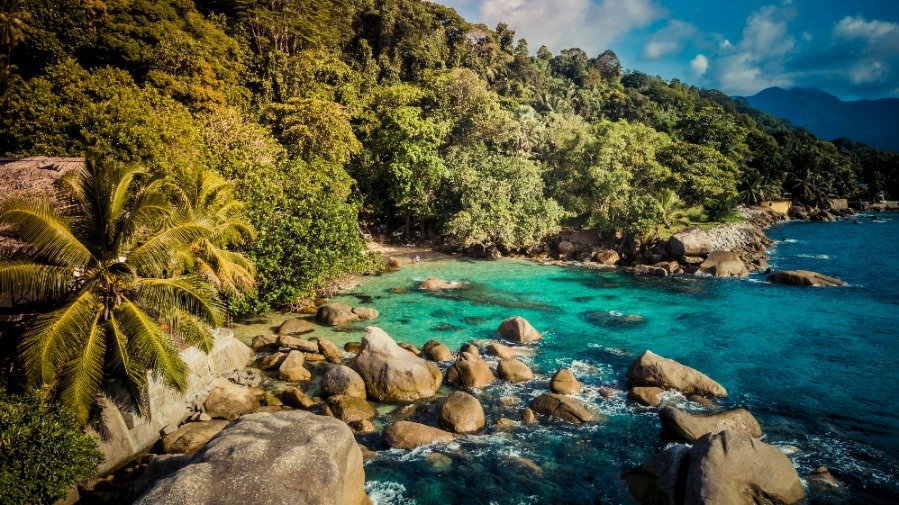
The beach itself defies the typical tropical clichés. The sand has a subtle pink hue, created by crushed coral and shells, while the water shifts through impossible shades of turquoise and emerald depending on the depth and time of day. The granite formations create natural pools and grottos perfect for swimming, snorkeling, or simply floating while contemplating your incredible luck at being here.
But here’s the honest truth: Anse Source d’Argent can get crowded, especially when cruise ships dock or during peak season (December to January and July to August). Visit early morning or late afternoon for the best light and fewer crowds. The entrance fee to L’Union Estate (where the beach is located) is reasonable and includes access to the old plantation house, vanilla plantation, and giant tortoise pen—consider it a package deal rather than just beach access.
Beyond the Famous Shores: La Digue’s Coastal Secrets
Anse Patates
Anse Patates offers one of La Digue’s most rewarding beach experiences without the crowds that sometimes overwhelm other famous spots. This intimate cove features pristine white sand surrounded by dramatic granite boulders, creating natural swimming pools and snorkeling areas that feel like private lagoons.
The beach is easily accessible by bicycle, making it perfect for a full day of relaxation and exploration. The shallow, crystal-clear waters are ideal for swimming and snorkeling, with excellent visibility and abundant marine life. The granite formations provide natural shade and create interesting underwater landscapes perfect for exploration.
What sets Anse Patates apart is its perfect balance of accessibility and tranquility. The beach rarely feels overcrowded, even during peak season, and the calm conditions make it suitable for swimmers of all levels. The surrounding granite boulders create multiple smaller coves and pools, so you can always find your own private spot.
Grand Anse
Grand Anse lives up to its name with a sweeping stretch of pristine sand backed by takamaka trees and coconut palms. This is La Digue’s largest beach, offering a completely different experience from the intimate coves elsewhere on the island. The waves here are more substantial, making it less ideal for swimming but perfect for long walks and beach combing.
The currents can be strong, so swimming requires caution, but the beach offers unparalleled sunset views and some of the best beachcombing on the island. After storms, you’ll find interesting shells, sea glass, and sometimes even glass fishing floats that have traveled across the Indian Ocean.
Petite Anse
Nestled between Grand Anse and Anse Cocos, Petite Anse offers the perfect middle ground—beautiful swimming conditions with fewer crowds than the famous beaches. The sand is powder-fine, the water is typically calm and clear, and the surrounding vegetation provides natural shade during the heat of midday.
This beach perfectly encapsulates La Digue’s appeal: stunning natural beauty without the overwhelming tourist infrastructure. Pack a picnic, bring snorkeling gear, and plan to spend several hours exploring the coastline.
For the Truly Adventurous: Anse Marron (Optional)
⚠️ IMPORTANT WARNING: This beach requires extreme caution and should only be attempted by experienced hikers in optimal conditions.
Anse Marron is La Digue’s most challenging and dangerous beach access, requiring a difficult 45-60 minute hike through treacherous granite boulder fields and coastal forest. The trail involves serious rock scrambling with risk of falls and injury. This is not suitable for children, elderly visitors, or anyone with mobility limitations.
Critical Safety Considerations:
- Weather and Tides: Never attempt this hike during or after rain, high winds, or rough sea conditions. Wet granite becomes extremely slippery and dangerous. Check tide charts and weather forecasts before attempting.
- Experience Required: Only confident hikers with rock scrambling experience should attempt this trail
- Emergency Preparedness: Bring emergency supplies, first aid kit, and inform others of your plans. Cell phone service is unreliable in this area
- Physical Demands: Requires excellent fitness, sure footing, and upper body strength for rock climbing sections
If conditions are perfect and you have the necessary experience, the reward is a wild, dramatic beach with powerful waves and spectacular granite formations. However, many visitors find the other beaches equally stunning without the significant risks.
Anse Cocos
The hike to Anse Cocos is an adventure in itself, taking you through dense tropical forest and over granite boulder fields. The trail can be challenging in places, requiring some basic rock scrambling, but the destination is worth every step. Anse Cocos is wild, remote, and absolutely stunning, with dramatic granite formations and excellent snorkeling opportunities.
The beach faces the open ocean, so conditions can vary significantly depending on weather and season. During calm periods, the snorkeling here is exceptional, with healthy coral formations and abundant marine life. During rougher conditions, it’s better for exploring the tide pools and dramatic coastal formations.
Beyond the Beaches: La Digue’s Cultural and Natural Wonders
While most visitors come for beach access, L’Union Estate offers fascinating glimpses into Seychelles’ colonial and agricultural history. The old plantation house, built in 1900, provides insight into the island’s copra and vanilla production era. The working coconut oil mill, operated by ox-power, demonstrates traditional Seychellois methods still in use today.
The giant tortoise pen houses several Aldabra tortoises, some over 100 years old. These ancient creatures are remarkably charismatic, and feeding time (late afternoon) offers excellent photo opportunities and the chance to interact with these gentle giants.
The vanilla plantation showcases the labor-intensive process of vanilla cultivation, from pollination to curing. Seychelles vanilla is considered among the world’s finest, and seeing the process firsthand adds appreciation for this valuable spice.
Veuve Nature Reserve
The Seychelles Paradise Flycatcher, known locally as the “veuve” (widow), is found nowhere else on Earth except La Digue and Cousin Island. This small reserve protects the remaining habitat for this critically endangered bird, which has made a remarkable recovery from near extinction.
The reserve features well-maintained trails through coastal forest, offering excellent birdwatching opportunities beyond just the paradise flycatcher. You’ll also encounter Seychelles bulbuls, sunbirds, and various endemic plants. The trails are relatively easy and provide a cool, shaded alternative to beach activities during the heat of midday.
Nid d’Aigle (Eagle’s Nest)
La Digue’s highest point offers panoramic views across the island and surrounding waters. The hike to the summit is moderately challenging, taking about 45 minutes through dense forest and over granite outcrops. The trail can be slippery during wet conditions, but the views from the top are spectacular.
From Nid d’Aigle, you can see across to Praslin, Félicité, and the surrounding smaller islands. The perspective helps you understand La Digue’s position in the Seychelles archipelago and appreciate the island’s dramatic topography. Early morning hikes offer the best conditions and lighting for photography.
Island Life Unplugged: Transportation and Exploration
La Digue’s transportation system is refreshingly simple: bicycles, ox-carts, and walking. The island banned cars decades ago (except for a few essential vehicles), creating an atmosphere of peaceful tranquility rare in today’s world. This isn’t just a tourism gimmick—it’s a conscious choice that preserves the island’s character and environment.
Bicycle rental is ubiquitous and affordable, with most accommodations providing bikes for guests. The island’s roads are generally flat with gentle hills, making cycling accessible for most fitness levels. However, the heat and humidity can be intense, so plan shorter rides during midday hours and carry plenty of water.
Ox-carts offer a charming alternative for reaching some beaches, particularly Anse Source d’Argent. While touristy, ox-cart rides provide insight into traditional Seychellois transportation and offer a unique perspective on island life. The patient oxen are well-cared for, and the slow pace allows you to notice details you’d miss cycling or walking.
Walking remains the best way to truly experience La Digue’s natural beauty. The island is small enough to walk across in under two hours, and most attractions are accessible on foot. Bring sun protection, water, and sturdy shoes for rocky coastal areas.
Crystal Waters and Living Reefs: Snorkeling Adventures
La Digue’s waters offer exceptional snorkeling opportunities, with healthy coral reefs, diverse marine life, and crystal-clear visibility. The granite boulder formations create unique underwater landscapes not found elsewhere in the Indian Ocean.
Anse Patates offers some of the best snorkeling conditions on the island, with calm, clear water and abundant marine life. The underwater granite formations create natural aquariums where tropical fish congregate. Expect to see parrotfish, angelfish, butterflyfish, and various species of wrasse. The shallow areas are perfect for beginners, while deeper sections provide more challenging exploration.
The waters around Anse Source d’Argent can be excellent for snorkeling, particularly in the deeper areas beyond the granite pools. The underwater landscape mirrors the dramatic coastal formations, with swim-throughs, caves, and coral gardens.
For more adventurous snorkeling, boat trips to nearby Félicité Island and the surrounding granite islets offer pristine reefs and larger marine life. These excursions often include multiple snorkel stops and lunch on remote beaches.
Creole Kitchens and Ocean Harvests: Authentic Island Flavors
La Digue’s culinary scene reflects its position at the crossroads of Africa, Asia, and Europe, with French colonial influences blending with Creole traditions and Indian Ocean ingredients. Fresh seafood dominates menus, often caught by local fishermen using traditional methods.
Curry dishes showcase the island’s Indian influences, with fresh fish, octopus, and shellfish prepared in aromatic coconut-based sauces. The local breadfruit, grown on the island, appears in various preparations and offers a unique taste experience for visitors.
Tropical fruits reach perfection in La Digue’s climate. Fresh coconut water from roadside vendors provides natural hydration and electrolytes perfect for tropical activities. Mangoes, papayas, and passion fruit offer refreshing breaks from heat and activity.
Local restaurants range from simple beachside grills to more sophisticated establishments, but all emphasize fresh, locally-sourced ingredients. Reservations are often unnecessary, but popular restaurants can fill up during peak season.
Granite Dreams and Golden Hours: Photography Paradise
La Digue presents photographers with an embarrassment of riches, from iconic granite formations to intimate tropical details. The key to memorable images lies in understanding the island’s unique lighting conditions and natural rhythms.
Golden hour (the first and last hour of sunlight) transforms the granite boulders into warm, glowing sculptures. The pink-tinged sand becomes luminous, and the turquoise waters achieve their most vivid colors. Plan your beach visits around these magical lighting conditions.
The island’s small size allows photographers to scout locations easily and return for optimal conditions. Weather changes quickly in the tropics, so flexibility and patience reward photographers with dramatic skies and unique lighting situations.
Wildlife photography opportunities abound, from giant tortoises and tropical birds to marine life visible while snorkeling. Respect wildlife and maintain appropriate distances, particularly with nesting seabirds and endemic species.
Island Time Decoded: Planning Your La Digue Adventure
La Digue rewards visitors who embrace its relaxed pace and natural rhythms. The island operates on “island time,” where schedules are flexible and patience is essential. This isn’t inefficiency—it’s a different approach to life that prioritizes relationships and natural cycles over rigid scheduling.
Accommodation ranges from luxury resorts to guesthouses and self-catering options. Booking in advance is essential during peak season, but shoulder seasons offer better availability and rates. Many accommodations include bicycle use and can arrange activities and transfers.
The island’s infrastructure is basic but adequate. Internet can be unreliable, ATMs are limited, and some services may be unavailable during rough weather. Come prepared for a digital detox and embrace the opportunity to disconnect from constant connectivity.
Weather patterns affect activities significantly. The southeast trades (May to October) bring rougher seas to some beaches but offer excellent conditions for hiking and exploration. The northwest monsoon (November to April) provides calmer seas but higher humidity and occasional rain.
Paradise Has Responsibilities: Conservation and Respect
La Digue’s beauty comes with responsibility. The island’s delicate ecosystems support endemic species found nowhere else on Earth, and tourism pressure threatens these natural treasures. Visitors play a crucial role in conservation through responsible behavior and environmental awareness.
Use reef-safe sunscreen to protect marine ecosystems. Many conventional sunscreens contain chemicals that damage coral reefs and marine life. Local shops sell reef-safe alternatives, or bring your own from home.
Respect wildlife viewing guidelines, particularly around nesting seabirds and endemic species. Maintain appropriate distances, avoid flash photography, and never feed wild animals. Your presence should leave no trace on the natural environment.
Support local conservation efforts through entrance fees, donations, and choosing tour operators with strong environmental ethics. Your tourism dollars directly fund conservation programs protecting La Digue’s unique biodiversity.
Reality Check: Managing Expectations in Paradise
La Digue isn’t perfect, and honest expectations enhance rather than diminish the experience. The island can be hot, humid, and occasionally buggy. Some beaches have strong currents unsuitable for swimming. Tourist areas can become crowded during peak times.
Infrastructure limitations mean occasional power outages, limited dining options, and basic medical facilities. Serious medical emergencies require evacuation to Mahé or Praslin. Travel insurance including medical evacuation coverage is essential.
The pace of life can frustrate visitors accustomed to immediate service and precise scheduling. Embrace the slower rhythm rather than fighting it—this adjustment often becomes one of the most valuable aspects of the La Digue experience.
Weather can dramatically affect activities and accessibility. Rough seas may cancel boat trips, heavy rain can make hiking trails slippery, and strong winds can impact snorkeling conditions. Build flexibility into your itinerary and have alternative activities planned.
Your La Digue Legacy
La Digue offers something increasingly rare in our connected world: the opportunity to disconnect, slow down, and remember what really matters. The island’s beauty is undeniable, but its greatest gift may be the reminder that paradise isn’t just a destination—it’s a state of mind achieved through presence, appreciation, and connection with the natural world.
Whether you come for the world-famous beaches, unique granite formations, endemic wildlife, or simply the chance to experience life at bicycle pace, La Digue delivers experiences that linger long after you’ve returned home. This isn’t just another tropical vacation—it’s a chance to reset your relationship with time, nature, and what constitutes a life well-lived.
Plan your visit with respect for the island’s natural rhythms and conservation needs. Come with realistic expectations and open hearts. Leave with memories of one of Earth’s last remaining paradises and a renewed appreciation for the simple pleasures that make life extraordinary.