Why Lisbon Will Steal Your Heart
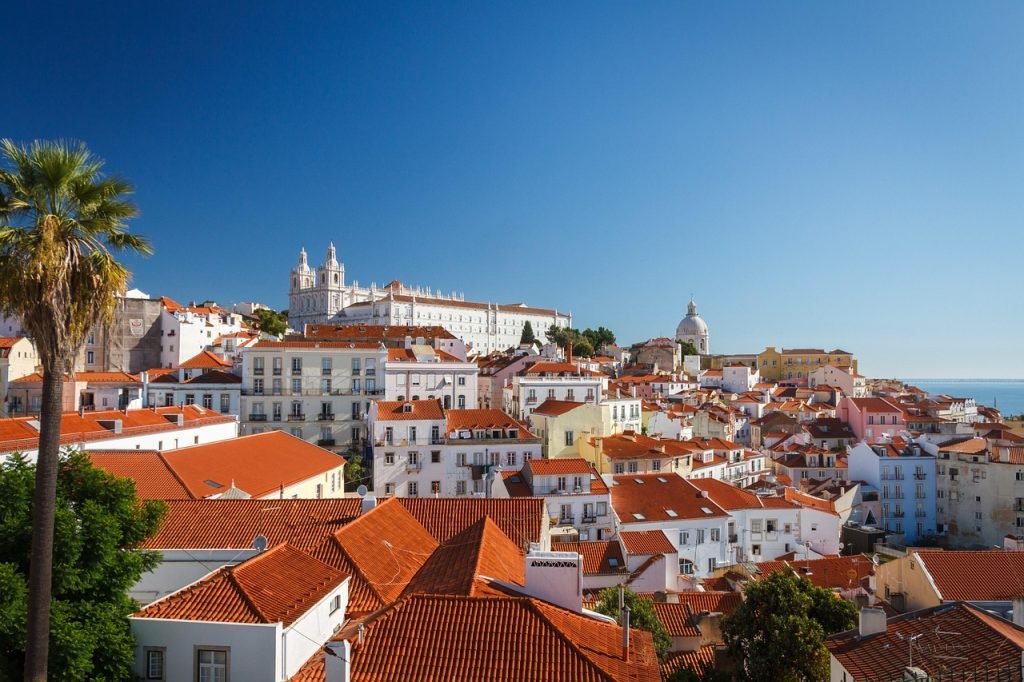
Lisbon isn’t just another European capital – it’s a city that awakens your senses with every cobblestone step. Picture this: golden hour light painting pastel-colored buildings while traditional Fado music drifts from candlelit restaurants, the aroma of fresh pastéis de nata mingling with Atlantic sea breeze, and historic trams climbing impossibly steep hills with a soundtrack of cheerful bells and grinding gears.
This is a city where 500-year-old monuments stand alongside cutting-edge contemporary art, where you can sip wine in a medieval castle at sunset, then dance until dawn in converted warehouses. Lisbon offers that rare combination of authentic European charm, affordability, and genuine warmth that makes even the most jaded travelers fall completely under its spell.
Getting from Airport to City Center
Metro (Most Economical)
- Red Line directly to city center (Saldanha, Marquês de Pombal, Avenidas Novas)
- Cost: €1.50 with rechargeable Viva Viagem card (€0.50 card cost)
- Duration: 20-25 minutes to central areas
- Operating Hours: 6:30 AM – 1:00 AM (2:00 AM on Fridays and Saturdays)
- Tip: Buy the card at the airport machines – you’ll use it throughout your stay
AeroBus (Most Convenient)
- Line 1: Airport → Cais do Sodré (passes through Marquês de Pombal, Avenida da Liberdade)
- Line 2: Airport → Oriente Station
- Cost: €2.00 (exact change required)
- Duration: 30-45 minutes depending on traffic
- Frequency: Every 20 minutes, 7:00 AM – 11:00 PM
Taxi/Uber
- Cost: €12-20 to city center (depends on traffic and exact destination)
- Duration: 15-30 minutes
- Uber/Bolt: Often cheaper than traditional taxis, more transparent pricing
Car Rental
- Not recommended for city exploration due to narrow streets, steep hills, and limited parking
- Consider only if planning extensive exploration outside Lisbon
Day 1: Historic Heart and Iconic Neighborhoods
Morning: Alfama District (9:00 AM – 12:30 PM)
Start your Lisbon adventure in Alfama, the city’s oldest neighborhood that miraculously survived the devastating 1755 earthquake. This labyrinthine district is best explored on foot, though be prepared for a serious leg workout on those infamous hills.
Begin at Largo do Chafariz de Dentro and wind your way up through narrow medieval streets. The beauty of Alfama lies not in specific monuments but in its organic, lived-in atmosphere. You’ll pass elderly residents hanging laundry from wrought-iron balconies, hear the distant sound of Fado practice sessions, and discover tiny squares where locals gather for morning coffee.
Miradouro da Senhora do Monte offers the most spectacular panoramic view of Lisbon. Arrive early to avoid crowds and capture the perfect sunrise shot over the Tagus River. The viewpoint is a steep 20-minute climb from Alfama’s heart, but the reward is worth every step.
Fado Museum (€5, Open 10:00 AM – 6:00 PM, Closed Mondays) provides essential context for understanding Portugal’s national music. The interactive exhibits and listening stations allow you to trace Fado’s evolution from working-class taverns to international recognition.
Afternoon: Baixa and Chiado (1:00 PM – 5:00 PM)
Descend to Baixa, Lisbon’s downtown grid rebuilt after the 1755 earthquake with unprecedented urban planning for its time. The Rua Augusta Pedestrian Street buzzes with street performers, outdoor cafés, and shops, leading to the magnificent Praça do Comércio.
Praça do Comércio is one of Europe’s most beautiful squares, opening dramatically to the Tagus River. The Arco da Rua Augusta (€3, Open 9:00 AM – 7:00 PM) offers another stunning city view from its top.
Take the historic Elevador de Santa Justa (€5.30, Open 7:00 AM – 11:00 PM) to reach the Chiado district. This elegant neighborhood perfectly balances history with contemporary culture. Browse the beautifully restored Livraria Bertrand (world’s oldest operating bookstore, dating to 1732) and explore the sophisticated shops along Rua do Carmo.
Honest tip: The elevator is overpriced for what it offers. Consider taking the free climb up instead and saving money for better experiences.
Evening: Bairro Alto (6:00 PM onwards)
Bairro Alto transforms completely after dark. During the day, it’s quiet and residential, but evening brings an explosion of energy. Start with dinner at a traditional tasca (small restaurant) – Tasca do Chico is authentically local and serves excellent petiscos (Portuguese tapas) with wine for under €15 per person.
The nightlife here is legendary. Tiny bars spill onto narrow streets, creating an outdoor party atmosphere. Pensão Amor (converted from a former brothel) offers creative cocktails in a quirky setting, while Pavilhão Chinês is a cocktail bar filled with fascinating antique collections.
Safety note: Bairro Alto is generally safe, but you’ll notice people openly selling drugs, particularly on Rua do Norte and surrounding streets. While drug sales are common, violent crime is rare. Stay aware of your surroundings, keep valuables secure, and avoid engaging with dealers.
Day 2: Monuments and Modern Culture
Morning: Belém District (9:00 AM – 1:00 PM)
Take Tram 15E (€1.50, 20-minute ride) to Belém, where Portugal’s Age of Discovery comes alive. This district houses some of Lisbon’s most important monuments and museums.
Jerónimos Monastery (€10, Open 10:00 AM – 5:30 PM, Closed Mondays) is an absolute masterpiece of Manueline architecture. Built with gold from Portuguese discoveries, every stone tells the story of Portugal’s maritime empire. The intricate carvings and soaring vaulted ceilings are breathtaking. Allow 90 minutes for a thorough visit.
Belém Tower (€6, Open 10:00 AM – 5:30 PM, Closed Mondays) stands as an iconic symbol of Lisbon. This 16th-century fortress once guarded the entrance to Lisbon’s harbor. The views from the top are spectacular, but the narrow spiral staircase can be claustrophobic.
Combo ticket available: Monastery + Tower for €12 (save €4)
Pastéis de Belém (Open 8:00 AM – 12:00 AM) is the birthplace of pastéis de nata. The original recipe remains secret, and these custard tarts are noticeably superior to imitations found elsewhere. Expect queues, but they move quickly. A pastel and coffee costs about €2.50.
Afternoon: Modern Lisbon (2:00 PM – 6:00 PM)
National Museum of Ancient Art (€6, Open 10:00 AM – 6:00 PM, Closed Mondays) houses Portugal’s most important art collection. The highlight is the Panels of St. Vincent, a 15th-century masterpiece depicting Portuguese society. The museum also features works by Bosch, Dürer, and other European masters.
LX Factory is a creative hub in a converted industrial complex under the 25 de Abril Bridge. This hipster paradise features unique shops, art galleries, restaurants, and the stunning Ler Devagar bookstore, housed in a former printing press with books reaching the ceiling.
Ponte 25 de Abril viewpoint offers incredible photo opportunities of Lisbon’s “Golden Gate” bridge. The nearby Cristo Rei statue (€6, Open 9:30 AM – 6:15 PM) across the river provides panoramic views, but requires a ferry ride and additional time.
Evening: Príncipe Real and Santos (7:00 PM onwards)
Príncipe Real is Lisbon’s trendy neighborhood, perfect for sophisticated dining and cocktails. The area around Praça do Príncipe Real features excellent restaurants and bars with a more upscale atmosphere than Bairro Alto.
Restaurant recommendations:
- Taberna Real (€25-35 per person): Modern Portuguese cuisine
- Pharmacia (€20-30 per person): Creative cocktails in a former pharmacy
- The Insólito (€15-25 per person): Cozy wine bar with excellent Portuguese wines
Day 3: Culture, Views, and Local Life
Morning: Calouste Gulbenkian Museum and Avenidas Novas (9:00 AM – 12:30 PM)
Calouste Gulbenkian Museum (€10, Open 10:00 AM – 6:00 PM, Closed Tuesdays) houses one of the world’s finest private art collections. From ancient Egyptian artifacts to impressionist paintings, the quality is exceptional. The museum’s garden provides a peaceful respite from the city.
Avenida da Liberdade is Lisbon’s Champs-Élysées, lined with luxury boutiques, beautiful architecture, and perfect for a morning stroll. The avenue connects downtown to the newer parts of the city.
Afternoon: Parque das Nações (1:00 PM – 5:00 PM)
Take the Metro Red Line to Oriente Station (designed by Santiago Calatrava) to reach Parque das Nações, built for Expo ’98. This modern district showcases contemporary Portuguese architecture and urban planning.
Oceanarium (€18, Open 10:00 AM – 8:00 PM) is one of Europe’s finest aquariums. The central tank, containing sharks, rays, and tropical fish, is mesmerizing. Allow 2-3 hours for a complete visit.
Vasco da Gama Bridge stretches 17 kilometers across the Tagus, offering spectacular views during sunset. The area’s modern architecture contrasts beautifully with historic Lisbon.
Evening: Local Dinner and Fado (6:00 PM onwards)
Experience authentic Fado in Alfama. Sr. Fado (€25-35 per person including dinner and show) offers intimate performances in a traditional setting. Alternatively, Tasca do Jaime provides a more casual, locals-heavy atmosphere where Fado happens organically.
Honest advice: Tourist-focused Fado restaurants can be expensive and inauthentic. Ask locals for recommendations or visit during weeknight performances for more genuine experiences.
Day Trip: Sintra and Cabo da Roca
Getting There
Train from Rossio or Oriente Station:
- Cost: €4.30 return with Viva Viagem card
- Duration: 40 minutes
- Frequency: Every 20 minutes, 5:30 AM – 2:30 AM
Bus 434 in Sintra:
- Cost: €5.00 day pass
- Route: Sintra Station → Pena Palace → Sintra Center → Quinta da Regaleira
- Essential for reaching hilltop attractions
Morning: Pena Palace (9:00 AM – 12:30 PM)
Pena Palace (€14, Open 9:30 AM – 7:00 PM) is a fairy-tale castle that seems impossible in reality. This 19th-century Romantic palace, painted in vibrant colors, sits atop Sintra’s highest hill surrounded by exotic gardens.
The palace interior showcases royal apartments preserved exactly as the last queen left them. The views from the palace terraces encompass the entire Sintra region, Atlantic Ocean, and clear days reveal Lisbon’s skyline.
Pena Park (€7.50, or included with palace ticket) covers 200 hectares of romantic landscaping with hidden paths, lakes, and exotic plants from around the world. The park alone deserves 2 hours of exploration.
Insider tip: Buy tickets online to skip queues, especially in summer. Arrive early (before 10:00 AM) to avoid crowds and capture the best photos.
Afternoon: Quinta da Regaleira (1:00 PM – 4:00 PM)
Quinta da Regaleira (€11, Open 9:30 AM – 7:30 PM) is Sintra’s most mysterious attraction. This early 20th-century estate features a neo-Gothic palace, elaborate gardens, and the famous Initiation Well – a 27-meter spiral staircase descending into the earth.
The estate’s symbolism relates to Freemasonry, alchemy, and the Knights Templar. The Regaleira Grottos connect underground tunnels throughout the property, creating an adventure-like exploration experience.
Allow 3 hours minimum. The estate is vast, and discovering all its secrets requires patience and curiosity.
Late Afternoon: Cabo da Roca (4:30 PM – 6:00 PM)
Bus 403 from Sintra to Cabo da Roca (€2.30, 30 minutes, runs every 2 hours)
Cabo da Roca is mainland Europe’s westernmost point, where dramatic cliffs meet the Atlantic Ocean. The lighthouse and cross monument mark this significant geographical location, while the visitor center provides certificates confirming your visit to “the end of the world.”
The sunset views are spectacular, but the location is extremely windy and can be cold even in summer. Bring warm clothing.
Return journey: Last bus to Sintra leaves at 6:45 PM, connecting with trains back to Lisbon.
Alternative: Sintra National Palace
If time is limited, consider Sintra National Palace (€10, Open 9:30 AM – 7:00 PM) instead of Quinta da Regaleira. This medieval palace in Sintra’s town center requires no additional transportation and offers fascinating insights into Portuguese royal history.
Safety and Practical Tips
General Safety
Lisbon is remarkably safe for a European capital. Violent crime against tourists is extremely rare, and you can walk most neighborhoods safely at night. However, standard precautions apply:
Petty Crime:
- Pickpocketing occurs in tourist areas (Tram 28, Rossio Square, crowded markets)
- Bag snatching is rare but possible in quiet areas after dark
- Keep valuables secure and remain aware of surroundings
Drug Sales:
Portugal decriminalized drug use in 2001, leading to a visible drug culture in certain areas. You’ll encounter people openly selling drugs, particularly in:
- Bairro Alto (especially Rua do Norte)
- Some areas of Cais do Sodré
- Martim Moniz square area
Important: While drug sales are common and dealers are generally non-aggressive, avoid engagement. The drugs are illegal to purchase (decriminalization applies only to possession for personal use), and quality/safety cannot be guaranteed.
Transportation Tips
Tram 28
The famous Tram 28 is a tourist attraction itself, but also practical transportation. It passes many major sights but gets extremely crowded. Board at early stops (Martim Moniz, Graça) and guard against pickpockets.
Lisboa Card
Lisboa Card (€20 for 24 hours, €34 for 48 hours, €42 for 72 hours) includes:
- Free public transportation
- Free entry to 39 museums/monuments
- Discounts at restaurants and shops
Honest assessment: Only worthwhile if you plan to visit many paid attractions quickly. Most visitors find individual tickets more economical.
Hills and Walking
Lisbon’s hills are no joke. Wear comfortable walking shoes and pace yourself. The city has numerous elevators and funiculars (included in transport passes) to help navigate steep areas.
Final Honest Assessment
Lisbon delivers on its promise of being an accessible, beautiful, and authentically European capital. The city’s compact size makes it perfect for a short visit, while its depth of culture, history, and culinary scene rewards longer stays.
What works:
- Incredible value for money compared to other Western European capitals
- Genuine warmth and friendliness from locals
- Perfect blend of history and contemporary culture
- Excellent public transportation
- Safe and walkable (despite the hills)
- Outstanding food scene at all price levels
Potential disappointments:
- Extremely crowded in summer (particularly Tram 28 and major attractions)
- Some tourist restaurants are overpriced and mediocre
- Hills can be challenging for those with mobility issues
- Weather can be unpredictable outside summer months
The verdict: Lisbon is a city that exceeds expectations. It’s beautiful without being precious, historic without being stuffy, and affordable without sacrificing quality. Whether you’re interested in art, food, history, or simply soaking up atmosphere, Lisbon provides an authentic European experience that feels both timeless and vibrantly contemporary.
The combination of the main city with the fairy-tale palaces of Sintra creates a perfect balance of urban exploration and romantic escapism. Three days barely scratches the surface, but provides enough time to understand why Lisbon is considered one of Europe’s most livable and lovable capitals.
Remember to book accommodation well in advance during peak season (June-August). Most importantly, allow time for spontaneous discoveries – Lisbon’s greatest treasures often reveal themselves when you’re not looking for them.