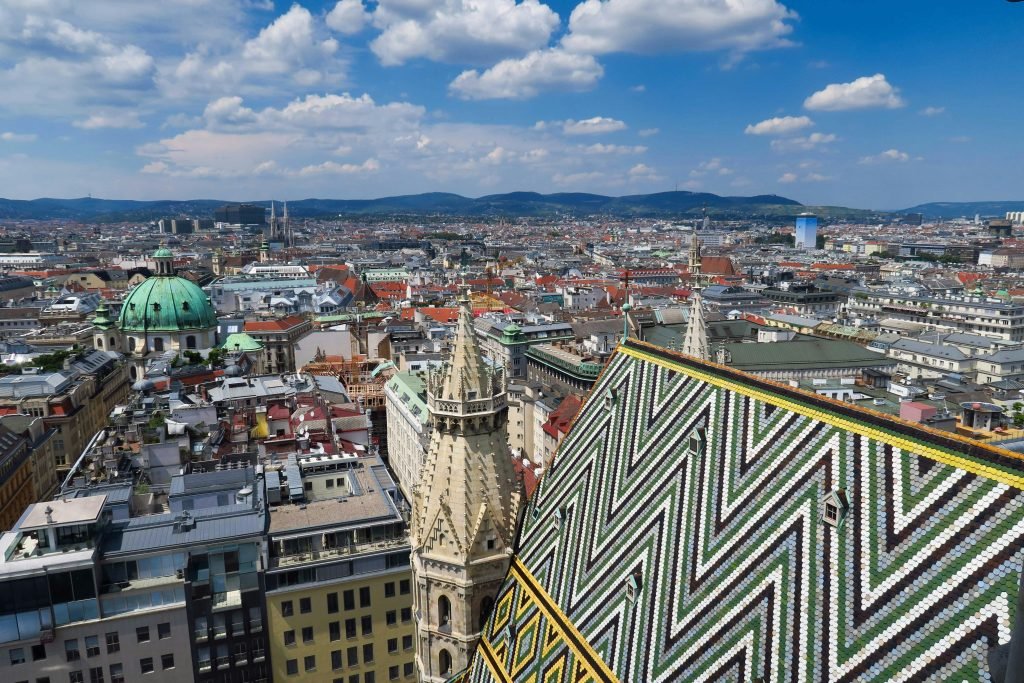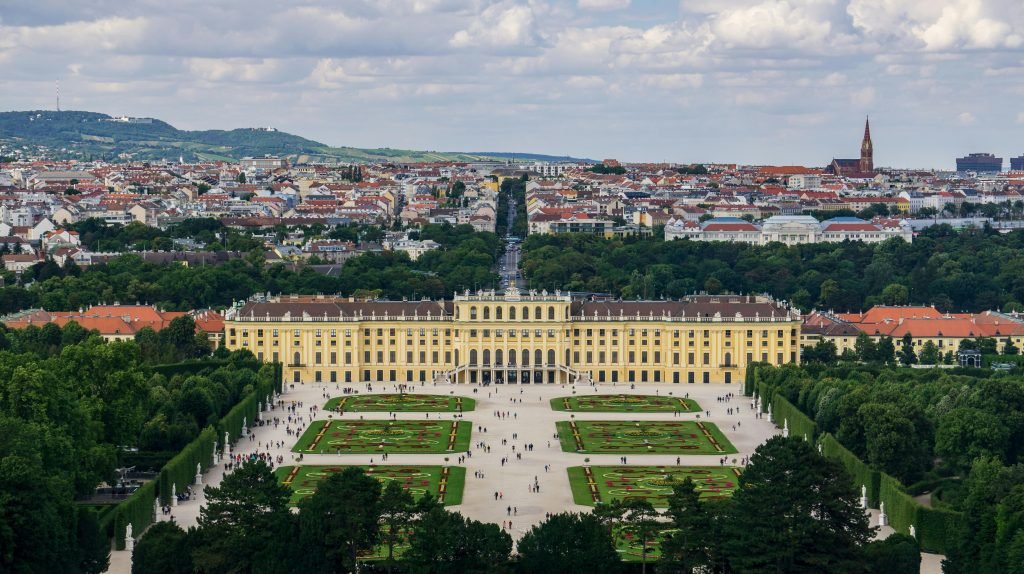
Ljubljana emerges as one of Europe’s most delightful and underrated capitals. Here fairy-tale architecture meets vibrant café culture, and medieval charm blends seamlessly with modern sustainability. This compact Slovenian capital, nestled between the Alps and the Adriatic, captivates visitors with its car-free city center, emerald-green Ljubljanica River, and an atmosphere that feels both cosmopolitan and intimately small-town. With a population of just 280,000, Ljubljana offers the perfect balance of urban sophistication and accessible charm. An ideal destination for travelers seeking authentic European experiences without the overwhelming crowds of larger capitals.
Ljubljana Castle: The City’s Crown Jewel
Ljubljana Castle (Ljubljanski grad) majestically crowns the city from atop Castle Hill. It offers visitors both historical immersion and breathtaking panoramic views. This medieval fortress, dating back to the 11th century, has served as a royal residence, military barracks, and prison. Today, it stands as Ljubljana’s most iconic landmark and provides the perfect introduction to the city’s rich past.
The Castle Tower offers 360-degree views of Ljubljana’s red-tiled rooftops, the Julian Alps stretching to the north, and the Ljubljanica River winding through the city center. The Virtual Castle experience uses technology to bring the castle’s history to life, allowing visitors to see how the fortress evolved over nine centuries.
The funicular railway provides a scenic three-minute journey to the castle, though the walk up through the wooded hillside offers a more adventurous approach with glimpses of the city through the trees. The Castle Restaurant serves traditional Slovenian cuisine with modern interpretations, making it perfect for a romantic dinner with castle views.
Opening Hours: Daily 9:00 AM – 9:00 PM (April-September); 10:00 AM – 6:00 PM (October-March).
Admission: Castle grounds free; Museum ticket €10; Funicular + Museum €13.
Funicular: Every 10 minutes, 9:00 AM – 9:00 PM.
Best Time: Late afternoon for golden hour photography and sunset views.
Triple Bridge and Preseren Square: The Heart of Ljubljana
Triple Bridge (Tromostovje) stands as Ljubljana’s most photographed landmark and the architectural masterpiece that defines the city’s unique character. Designed by renowned architect Jože Plečnik, this extraordinary bridge complex transformed a single 1842 bridge into a triple-arched marvel that has become synonymous with Ljubljana itself.
The bridge connects Preseren Square (Prešernov trg) with the medieval Old Town, creating the perfect gathering place where locals and visitors converge. The square honors France Prešeren, Slovenia’s greatest poet, with a statue that has become a meeting point for generations of Ljubljanians. The Franciscan Church of the Annunciation, with its distinctive salmon-pink facade, dominates the square and provides a stunning backdrop for the constant stream of street performers and artists.
The pedestrian-only zone extending from the bridge creates a magical atmosphere where café terraces spill onto cobblestones, and the gentle sound of the Ljubljanica River provides a soothing soundtrack to city life. The Central Pharmacy, housed in a beautiful Art Nouveau building, showcases Ljubljana’s architectural diversity and attention to detail.
Best Photography: Early morning or late afternoon for optimal lighting.
Café Culture: Numerous riverside cafés perfect for people-watching.
Events: Regular concerts and cultural events in Preseren Square.
Architecture: Excellent examples of Plečnik’s distinctive style.
Dragon Bridge: Ljubljana’s Legendary Guardian
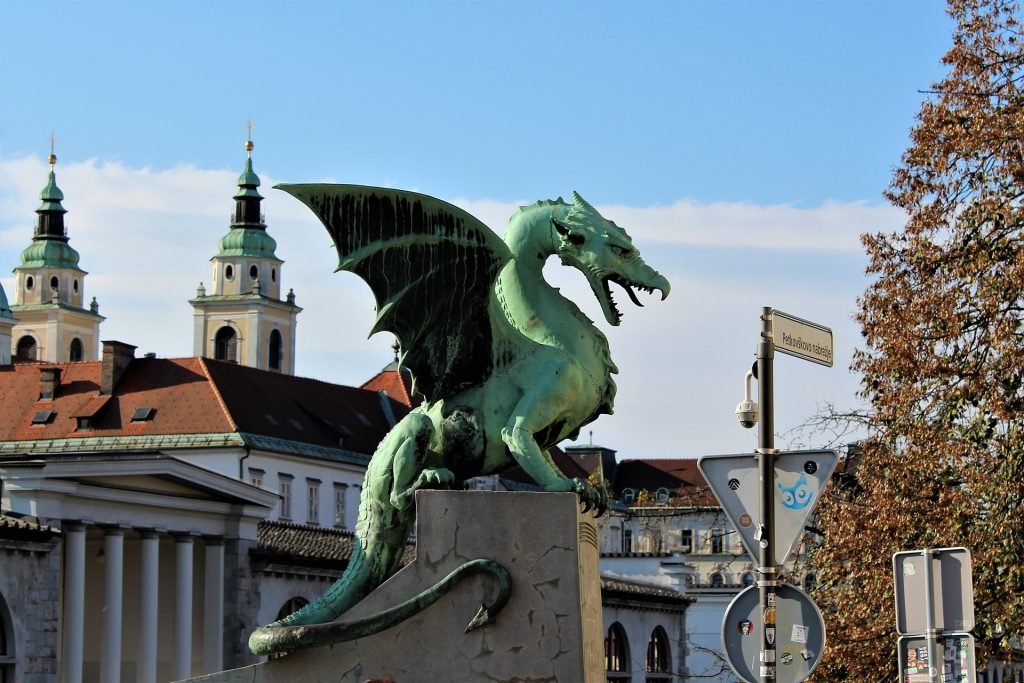
Dragon Bridge (Zmajski most) captures imaginations with its four imposing bronze dragons that have watched over the Ljubljanica River since 1901. According to local legend, the dragons wag their tails when a virgin crosses the bridge. Locals joke that the dragons have been remarkably still for quite some time. The dragon symbolism runs deep in Ljubljana’s identity, as the city’s coat of arms features a dragon, and local mythology claims that Jason and the Argonauts slayed a dragon at this very spot during their quest for the Golden Fleece.
Photography Tips: Best shots from the Plečnik Colonnade or riverbank.
Symbolism: Dragons represent power, courage, and wisdom in Ljubljana.
Construction: Completed in 1901, replacing an older wooden bridge.
Location: Connects Vodnik Square with the city center.
Tivoli Park: Ljubljana’s Green Oasis
Tivoli Park sprawls across 5 square kilometers in the heart of Ljubljana, providing residents and visitors with a magnificent green sanctuary that showcases the city’s commitment to environmental sustainability. This beautifully landscaped park offers everything from formal gardens and walking paths to sports facilities and cultural venues.
The Tivoli Mansion houses the International Centre of Graphic Arts, hosting world-class exhibitions that have made Ljubljana a recognized center for contemporary graphic arts. The Tivoli Promenade, lined with chestnut trees and featuring rotating outdoor photography exhibitions, creates a perfect setting for leisurely strolls and cultural discovery.
Rožnik Hill and Šišenski Hill provide elevated viewpoints and extensive hiking trails within the park boundaries, offering visitors the chance to escape into nature without leaving the city. The Tivoli Recreation Centre features swimming pools, tennis courts, and ice skating facilities, making the park a year-round destination for active visitors.
Opening Hours: Park always open; Mansion 10:00 AM – 6:00 PM (Tuesday-Sunday).
Admission: Park free; Mansion exhibitions €4-€8.
Activities: Walking, jogging, cycling, outdoor exhibitions.
Best Features: Formal gardens, tree-lined promenades, hilltop views.
Ljubljana’s Old Town: Medieval Charm and Baroque Beauty
Ljubljana’s Old Town (Staro mesto) unfolds like a living museum where every cobblestone street reveals architectural treasures and hidden stories. The Ljubljana Cathedral (St. Nicholas Cathedral) dominates the old town with its impressive Baroque dome and twin towers. Its bronze doors, created by sculptor Tone Demšar, are remarkable and depict 1,250 years of Slovenian Christianity.
The Robba Fountain (Fountain of Three Carniolan Rivers) stands as Ljubljana’s answer to Rome’s famous fountains, representing the three rivers of the historical Carniola region. Created by Francesco Robba in 1751, this Baroque masterpiece demonstrates the Italian influence on Ljubljana’s architectural heritage.
Cobbler’s Bridge (Čevljarski most) offers intimate views of the riverside houses and creates perfect photo opportunities with the castle rising in the background. The Central Market (Osrednja tržnica), designed by Plečnik, showcases local produce, crafts, and traditional Slovenian foods in a setting that beautifully integrates architecture with daily life.
Market Hours: Monday-Saturday 6:00 AM – 4:00 PM; Saturday until 6:00 PM.
Cathedral: Free entry; guided tours available.
Best Time: Morning for market visits; evening for atmospheric lighting.
Architecture: Excellent examples of Baroque, Renaissance, and Secession styles.
Metelkova: Ljubljana’s Alternative Cultural Hub
Metelkova represents Ljubljana’s edgy, alternative side, housed in a former Yugoslav army barracks that has been transformed into Central Europe’s most vibrant autonomous cultural center. This colorful district, covered in graffiti art and sculptural installations, pulses with creative energy and offers visitors a completely different perspective on Ljubljana’s cultural landscape.
The Metelkova Museum of Contemporary Art (Muzej sodobne umetnosti Metelkova) showcases cutting-edge contemporary art from Slovenia and beyond, while the various clubs and venues host everything from underground concerts to experimental theater performances. The district’s architecture tells the story of transformation, with military buildings reimagined as spaces for artistic expression and cultural dialogue.
Nightlife in Metelkova offers authentic experiences away from tourist-oriented venues, with locals and visitors mixing in clubs that stay open until dawn. The daytime exploration reveals incredible street art and provides insight into Ljubljana’s progressive cultural policies that support alternative arts.
Best Time: Evening for nightlife; afternoon for art galleries and street art.
Safety: Generally safe but use common sense, especially late at night.
Culture: Represents Ljubljana’s commitment to supporting alternative arts.
Photography: Incredible street art and architectural contrasts.
Ljubljanica River: The City’s Liquid Heart
The Ljubljanica River serves as Ljubljana’s liquid spine, connecting the city’s districts while providing transportation, recreation, and scenic beauty. River cruises offer unique perspectives of the city’s architecture, revealing hidden courtyards and buildings that are invisible from street level.
Plečnik’s Riverside Market creates a stunning architectural ensemble along the riverbank, with covered colonnades that house fish and food vendors while maintaining visual harmony with the surrounding historic buildings. The riverside walkways provide perfect settings for evening strolls, with riverside cafés and restaurants creating a Mediterranean atmosphere in the heart of Central Europe.
Kayaking and stand-up paddleboarding have become increasingly popular, offering visitors active ways to explore the city from water level. The riverside cycling paths connect to Slovenia’s extensive network of bike trails, making Ljubljana an excellent base for cycling enthusiasts.
River Cruises: Daily departures from April-October, €10-€15.
Water Sports: Kayak and SUP rentals available March-October.
Dining: Numerous riverside restaurants with outdoor terraces.
Evening Atmosphere: Beautifully lit bridges and buildings create magical ambiance.
National Gallery and Museums: Cultural Treasures
The National Gallery of Slovenia houses the country’s most important collection of fine art, spanning from medieval times to the early 20th century. The gallery’s Baroque collection features works by Slovenian masters, while the 19th-century paintings document the emergence of Slovenian national identity through art.
The City Museum of Ljubljana provides comprehensive insights into the city’s development from Roman Emona to modern Ljubljana, featuring archaeological finds, historical artifacts, and interactive exhibits. The Architecture Museum celebrates Ljubljana’s unique architectural heritage, with particular emphasis on Jože Plečnik’s transformative influence on the city’s appearance.
National Gallery:
Opening Hours: Tuesday-Sunday 10:00 AM – 6:00 PM.
Admission: Adults €8; Students €5; Children free.
Special Collections: Slovenian Impressionists, Baroque masters.
City Museum:
Opening Hours: Tuesday-Sunday 10:00 AM – 6:00 PM (Thursday until 9:00 PM).
Admission: Adults €6; Students €4; Children €2.
Highlights: Roman Emona remains, medieval artifacts, city development timeline.
Day Trips from Ljubljana: Exploring Slovenia’s Treasures
Ljubljana’s central location makes it an ideal base for exploring Slovenia’s diverse attractions. Lake Bled, just 45 minutes away, offers fairy-tale scenery with its island church and clifftop castle reflected in alpine waters. The Postojna Caves and Predjama Castle provide underground adventures and medieval drama within an hour’s drive.
Lake Bohinj showcases Slovenia’s pristine alpine beauty, while the Škocjan Caves (UNESCO World Heritage site) offer even more spectacular underground experiences than their more famous cousin. The Vipava Valley wine region provides excellent opportunities for wine tasting and scenic drives through rolling hills dotted with vineyards.
Transportation: Regular buses and trains; car rental recommended for flexibility.
Day Trip Options: Lake Bled, Postojna Caves, Škocjan Caves, Piran, Maribor.
Planning: Most attractions accessible within 1-2 hours from Ljubljana.
Booking: Some attractions require advance booking, especially in summer.
Culinary Ljubljana: A Taste of Slovenia
Ljubljana’s culinary scene reflects Slovenia’s position at the crossroads of Alpine, Mediterranean, and Pannonian influences. Traditional Slovenian cuisine features hearty dishes like žlikrofi (potato dumplings), kranjska klobasa (Carniolan sausage), and potica (nut roll), while modern restaurants interpret these classics with contemporary flair.
The Central Market offers the freshest local ingredients, from Alpine cheeses and cured meats to seasonal vegetables and fruits. Wine culture thrives in Ljubljana, with local wine bars showcasing Slovenia’s excellent indigenous varieties like Rebula and Teran alongside international favorites.
Food Markets: Central Market (daily); Saturday farmers market.
Local Specialties: Žlikrofi, kranjska klobasa, potica, štruklji.
Wine Regions: Vipava Valley, Goriška Brda, Štajerska.
Dining: Mix of traditional gostilnas and modern restaurants.
Practical Planning for Your Ljubljana Visit
Best Time to Visit: May through September offers warmest weather and outdoor festivals. October-April provides fewer crowds and cozy indoor attractions. December brings magical Christmas markets and festive atmosphere.
Getting Around: Ljubljana’s compact city center is easily walkable, with most attractions within 15 minutes of each other. The bike-sharing system (BicikeLJ) provides free bike rentals for short trips, while public buses connect outer districts. If you need to park your car, Park Tivoli is an excellent choice. It is large, secure, and convenient for Tivoli Park, but also for easily reaching the city center on foot.
Final Thoughts On the City of Dragons
Ljubljana captivates visitors with its perfect blend of architectural beauty, cultural richness, and environmental consciousness. This compact capital offers the rare combination of fairy-tale charm and modern sophistication. Medieval castles overlook café-lined rivers, and dragons guard bridges in a city that has embraced sustainability without sacrificing character. Whether you’re drawn by the vibrant cultural scene, or simply the pleasure of strolling through one of Europe’s most livable cities, Ljubljana promises discoveries that will leave you planning your return visit. Allow at least two days to experience the city’s highlights properly. Many visitors will find themselves extending their stay as they fall under the spell of this enchanting Slovenian capital. Ljubljana proves the best European destinations are often the most unexpected ones.