London isn’t just a city—it’s a living tapestry where centuries of history dance with cutting-edge modernity, where royal pageantry meets rebellious street art, and where every cobblestone tells a story. Whether you’re planning your maiden voyage to the British capital or returning for another taste of its endless treasures, this comprehensive guide will transform your visit from good to absolutely extraordinary.
Let me be honest with you: London can overwhelm even the most seasoned travelers. With over 2,000 years of history packed into 607 square miles, world-class museums rivaling any global capital, and enough Harry Potter filming locations to make any Potterhead weep with joy, the sheer volume of experiences can feel paralyzing. But here’s the thing—with strategic planning and insider knowledge, you can unlock London’s secrets without breaking the bank or burning out from tourist fatigue.
When to Visit London: Timing Your Trip for Maximum Value and Minimum Crowds
Skip the Tourist Stampede: Why Peak Summer Isn’t Always Peak Experience
Here’s what travel guides won’t tell you about London’s peak season (June through August): yes, you’ll get those glorious 16-hour days and festival-packed weekends, but you’ll also pay premium prices for the privilege of queuing behind hundreds of other tourists at every major attraction. Hotel rates can spike by 40-60% during these months, flight prices soar, and the city’s public transport—while efficient—becomes a sweaty, crowded ordeal during heat waves.
The truth is, London’s summer weather is notoriously unpredictable anyway. You’re just as likely to experience a week of drizzle in July as you are sunshine, so you’re not guaranteed that perfect weather you’re paying premium prices for.
The Sweet Spot: Shoulder Season Secrets for Smart Travelers
March to early May and September to mid-October represent London’s best-kept secret for savvy travelers. During these shoulder months, you’ll discover a city that breathes more easily. Hotel rates drop by 25-40% compared to peak summer, flight deals become abundant, and most importantly—you can actually appreciate the attractions without feeling like you’re in a sardine can.
The weather during shoulder seasons tends to be more reliably pleasant than summer’s unpredictable swings. Spring brings blooming gardens and longer days without oppressive crowds, while autumn offers crisp air perfect for walking tours and cozy pub sessions. You’ll find restaurant reservations easier to secure, museum galleries less congested, and locals more willing to engage in conversation since they’re not overwhelmed by tourist fatigue.
Winter Warriors: Maximum Savings for Cold-Weather Lovers
January and February offer London’s most dramatic savings—we’re talking 50-70% off peak season hotel rates and significantly cheaper flights. Yes, daylight is limited (sunrise around 8 AM, sunset by 4 PM), and temperatures hover around 2-7°C (36-45°F), but this creates a uniquely magical atmosphere that many travelers overlook.
Winter London reveals its cozy soul: crackling pub fireplaces, world-class theater performances without summer tourist competition, and museums where you can contemplate masterpieces in peaceful solitude. Plus, if you’re a Harry Potter fan, there’s something deliciously atmospheric about exploring magical filming locations under grey, moody skies that match the films perfectly.
Your Comprehensive 5-Day London Adventure: Beyond Tourist Traps to Authentic Experiences
Day 1: Notting Hill & Kensington – Quintessential London Charm
Morning (9:00-12:00): Begin your London journey in Notting Hill, but here’s the insider twist—start at the northern end of Portobello Road around 9 AM when the antique dealers are just setting up. This gives you first pick of vintage treasures and authentic interactions with vendors before the tourist crowds descend. Walk through the famous colorful mews (Instagram gold, but also genuinely charming), particularly focusing on Lancaster Gate Mews and Pembroke Square.
Afternoon (12:00-17:00): Transition to Kensington Gardens for a peaceful reset. Don’t just walk through—visit the Diana Memorial Playground (even adults find it enchanting) and the Albert Memorial. Then choose your museum adventure: the Victoria and Albert Museum for design lovers or the Natural History Museum for families and fossil enthusiasts. Pro tip: Both museums offer excellent free exhibitions alongside their famous permanent collections.
Evening (17:00 onwards): Explore Kensington’s dining scene, but venture beyond obvious tourist spots. Try Dishoom Kensington for exceptional Indian cuisine in a Bombay café setting, or The Ivy Kensington Brasserie for elevated British classics in a stunning art deco setting.
Day 2: City of London & Borough Market – Ancient Meets Modern
Early Morning (8:30-11:30): Arrive at the Tower of London right when it opens to beat crowds and have better photo opportunities with the Crown Jewels. Don’t rush—the Yeoman Warder tours are genuinely entertaining and historically rich. Walk across Tower Bridge for spectacular Thames views and explore the Victorian Engine Rooms if you’re engineering-curious.
Midday (11:30-14:30): Borough Market isn’t just about lunch—it’s about experiencing London’s foodie soul. Sample artisanal cheeses, freshly baked sourdough, and international cuisines. Try Monmouth Coffee for London’s best brew and Kappacasein for grilled cheese sandwiches that’ll ruin you for all others.
Afternoon (14:30-18:00): Visit St. Paul’s Cathedral and climb the dome for panoramic city views (543 steps, but worth every one). Cross the Millennium Bridge to the Tate Modern—even if you’re not an art lover, the building itself (a converted power station) is architecturally stunning.
Evening: Covent Garden comes alive after dark. Street performers reach their peak energy, restaurants buzz with atmosphere, and the historic market building glows beautifully under evening lights.
Day 3: Mayfair, West End & Soho – Sophistication Meets Creative Chaos
Morning (10:00-13:00): Explore Mayfair’s elegant streets, but don’t just window shop. Visit Fortnum & Mason for traditional British luxury, browse Savile Row for bespoke tailoring history, and stroll through Berkeley Square where nightingales once sang (according to the famous song).
Afternoon (13:00-17:00): Head to Hyde Park for a refreshing change of pace from urban exploration. Walk through Speaker’s Corner (where public speeches have been delivered since the 1860s), visit the Diana Memorial, or rent a pedal boat on the Serpentine Lake. If you’re a culture enthusiast, consider detouring to the British Museum or National Gallery instead—both offer world-class collections and are completely free to enter.
Evening (17:00 onwards): Soho after dark is electric. Start with drinks at Swift Bar (a speakeasy-style cocktail den), then explore the neighborhood’s incredible diversity—from tiny Italian trattorias on Frith Street to innovative Asian fusion restaurants. Don’t miss Ronnie Scott’s Jazz Club for live music history.
Day 4: Harry Potter Magic & Warner Bros. Studio Tour
Full Day Harry Potter Immersion:
Start early with the Warner Bros. Studio Tour in Leavesden (about 45 minutes from central London). This isn’t just a tourist attraction—it’s a genuine behind-the-scenes experience where you’ll walk through actual film sets, see authentic props and costumes, and understand the incredible craftsmanship behind the movies.
Must-See Studio Highlights:
- The actual Great Hall set where cast ate meals between takes
- Diagon Alley’s complete street with working shop fronts
- The Hogwarts Express train and Platform 9¾ recreation
- Dumbledore’s office with thousands of authentic props
- The incredible Hogwarts castle model used for aerial shots
Evening London Potter Locations:
Return to central London for magical location hunting:
- Leadenhall Market: The Victorian glass roof and ornate architecture inspired Diagon Alley’s design
- Millennium Bridge: Destroyed by Death Eaters in “Half-Blood Prince”
- St Pancras International: The Gothic Revival architecture doubled as Hogwarts exterior shots
- King’s Cross Station Platform 9¾: Photo opportunity with the famous trolley installation
Day 5: Shoreditch & East London – Creative Energy and Authentic Local Life
Morning (10:00-13:00): Shoreditch represents London’s creative renaissance. Start with a street art walking tour (many free options available) to understand the stories behind the murals. Visit Boxpark Shoreditch for innovative retail concepts and grab coffee at Allpress Espresso or Dark Arts Coffee.
Afternoon (13:00-17:00): Before heading to Regent’s Park, make a literary pilgrimage to 221B Baker Street and the Sherlock Holmes Museum. Even if you’re not a Holmes devotee, the Victorian-era recreation and Baker Street’s atmosphere are worth experiencing. Then explore Regent’s Park with its stunning rose gardens and open-air theater (seasonal), before climbing Primrose Hill for one of London’s best skyline views. The hill offers perfect photo opportunities with the city stretching out below, including iconic landmarks like the London Eye and The Shard. Alternatively, culture lovers might prefer spending this time at the British Museum exploring its unparalleled collection of world artifacts, from Egyptian mummies to the Rosetta Stone.
Evening (17:00 onwards): Return to Shoreditch for dinner at authentic local spots like Dishoom Shoreditch (different menu from Kensington location), Hawksmoor Spitalfields for exceptional steaks, or Som Saa for authentic Thai cuisine that locals actually frequent.
Two-Day London Itinerary: Maximum Impact, Minimum Time
When time is severely limited—whether from a long layover or short business trip—prioritization becomes crucial. Here’s how to experience London’s essence in just 48 hours:
Day 1: Royal London & Thames Experience
Morning (9:00-12:00):
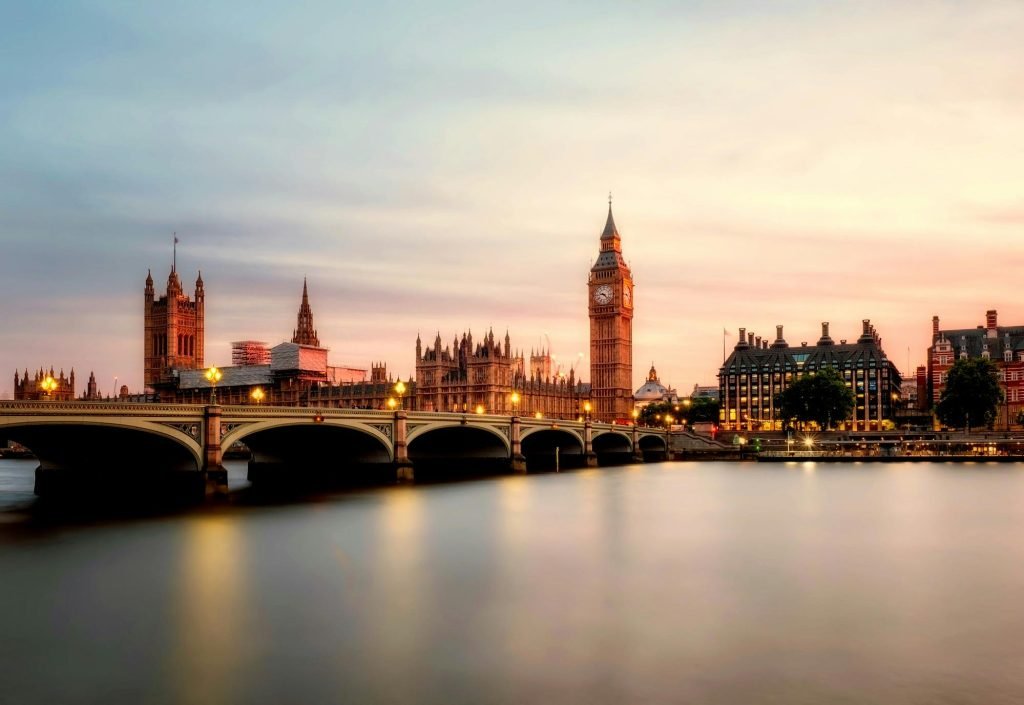
Start at Westminster early to see Big Ben, Westminster Abbey, and Houses of Parliament without overwhelming crowds. Walk through St. James’s Park to Buckingham Palace—even if there’s no Changing of the Guard, the palace and surrounding architecture are impressive.
Midday (12:00-15:00):
Walk along the South Bank from Westminster Bridge to London Bridge. Stop at Borough Market for lunch, ride the London Eye if lines aren’t too long, and appreciate the Thames views that have inspired artists for centuries.
Afternoon/Evening (15:00-19:00):
Tower of London for Crown Jewels and historical immersion, then Covent Garden for dinner and evening atmosphere.
Day 2: Cultural London & Modern Vibes
Morning: Choose between British Museum (free, world-class artifacts including the Rosetta Stone and Egyptian mummies) or Tate Modern (free, contemporary art in a stunning converted power station). Art history enthusiasts might also consider the National Gallery in Trafalgar Square, housing masterpieces by Van Gogh, Da Vinci, and Turner.
Afternoon: Hyde Park for a leisurely stroll and Oxford Street shopping, or alternatively, dedicate more time to museum exploration if you’re passionate about culture
Evening: West End show (book in advance) or Soho exploration for dining and nightlife
Travel Tips from Someone Who’s Made Every London Mistake
Advance Booking Essentials:
- Tower of London: Skip-the-line tickets save 1-2 hours during peak periods
- Warner Bros. Studio Tour: Often sells out weeks in advance, especially weekends
- West End shows: Book directly through theater websites to avoid booking fees
- Restaurant reservations: Popular spots like Dishoom, Hawksmoor require advance planning
Transportation Mastery:
- Oyster Card vs. Contactless: Both work equally well, but contactless cards have daily/weekly caps that can save money
- Uber vs. Black Cabs: Black cabs know every street but cost more; Uber is convenient but can surge price
- Walking vs. Tube: Many attractions are closer than they appear on the tube map—walking often saves time and money
Money-Saving Secrets:
- Many world-class museums are free (British Museum, Tate galleries, National Gallery)
- Pub lunches offer better value than restaurant dinners
- Supermarket meal deals (£3-4) provide excellent lunch value
- Happy hour and pre-theater menus significantly reduce dining costs
Accommodation Strategy:
- Kensington/South Kensington: Excellent transport links, museum proximity, good dining
- Marylebone: Central location, village feel, easy airport connections
- King’s Cross/St. Pancras: Up-and-coming area, excellent transport, more affordable
- Avoid: Leicester Square area hotels (touristy, overpriced, noisy)
The Honest Truth About London Travel
London isn’t perfect. It’s expensive, weather is unpredictable, and some attractions are overhyped tourist traps. But here’s what makes it extraordinary: the city rewards curiosity and preparation. Every neighborhood has its own personality, from Notting Hill’s pastel charm to Shoreditch’s gritty creativity. The public transport system, while sometimes delayed, connects you to centuries of history and cutting-edge culture within minutes.
The key to loving London lies in balancing iconic must-sees with authentic local experiences. Yes, see Big Ben and ride the London Eye, but also discover hidden pubs that have served locals for 400 years, explore markets where Londoners actually shop, and understand that this city’s true magic lies in how seamlessly it weaves past and present together.
Whether you’re chasing Harry Potter magic through Victorian markets, exploring world-class museums, or simply sitting in a centuries-old pub watching London life unfold around you, this city offers experiences that will fundamentally change how you see history, culture, and urban life.
Final Reality Check: London requires stamina, comfort with walking, and acceptance that you can’t see everything in one trip. But approach it with curiosity rather than a checklist mentality, and you’ll discover why millions of visitors fall in love with this complex, fascinating city every year.
The city that gave us Shakespeare, Harry Potter and punk rock, fish and chips and chicken tikka masala, awaits your discovery. Plan smart, travel curious, and prepare for a journey that will leave you planning your return before you’ve even left.