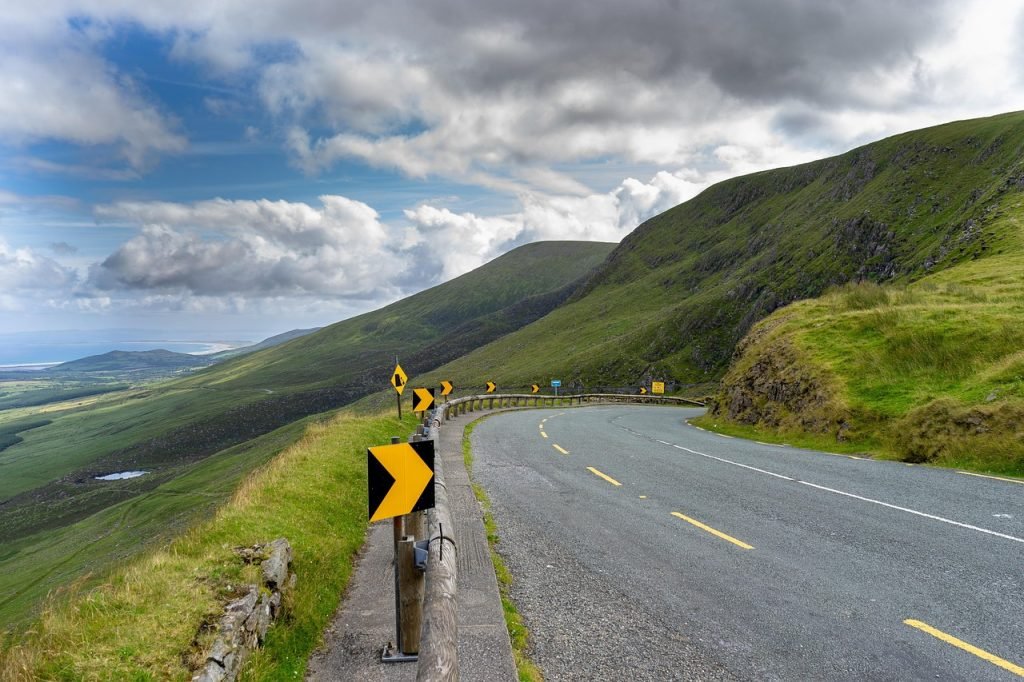
Picture this: You’re winding through emerald hills that roll like velvet waves toward the Atlantic horizon, ancient stone walls threading through landscapes so impossibly green they seem painted by fairy tale artists. The salty ocean breeze carries whispers of centuries-old stories, while sheep dot the hillsides like cotton balls scattered by a playful giant. This isn’t just any scenic drive – this is the legendary Ring of Kerry, Ireland’s crown jewel that transforms every traveler into a wide-eyed storyteller.
If you’ve been dreaming of Ireland (and let’s be honest, who hasn’t?), the Ring of Kerry sits at the very pinnacle of your bucket list like a emerald crown waiting to be claimed. This breathtaking 179-kilometer (111-mile) loop around the rugged Iveragh Peninsula isn’t just a drive – it’s a pilgrimage through everything that makes Ireland utterly irresistible: dramatic coastlines where waves crash with theatrical fury, ancient ruins that whisper secrets from millennia past, villages so charming they’d make Disney jealous, valleys so lush they redefine the color green, and panoramic vistas that literally steal your breath and refuse to give it back.
But here’s what the glossy travel brochures won’t tell you: beyond those picture-perfect postcards and Instagram-worthy shots lies something far more precious. The Ring of Kerry is a living, breathing experience that doesn’t just show you Ireland – it lets you feel Ireland in your bones, taste it on the salt-tinged air, and hear it in the melodic lilt of local voices sharing stories over steaming cups of tea.
Why the Ring of Kerry Captures Ireland’s Soul in 111 Magical Miles
Embarking on the Ring of Kerry scenic drive feels like stepping into a living anthology of Irish folklore. Every twist and turn of these narrow country roads tells a different chapter of Ireland’s story. One moment you’re navigating winding lanes embraced by rolling hills that seem to breathe with ancient wisdom, the next you’re standing before centuries-old castles where medieval knights once walked these very stones.
You’ll find yourself pulling over (again and again) to explore sandy beaches where the mighty Atlantic Ocean performs its eternal dance, waves crashing with the rhythm of a Celtic drum. And when evening falls, you’ll discover the true magic happens in those cozy, stone-walled pubs where locals welcome you like long-lost family, where traditional Irish music flows as freely as the perfectly poured Guinness, and where conversations weave tales that stretch back generations.
This journey transforms you from mere tourist to temporary local, from observer to participant in Ireland’s ongoing story.
Strategic Starting Points: Killarney, Kenmare, or Killorglin – Your Gateway to Magic
Killarney: The Classic Choice for First-Time Visitors
Most Ring of Kerry tours begin in vibrant Killarney, and there’s compelling wisdom in following tradition. This bustling town serves as the perfect launching pad, offering immediate access to Killarney National Park’s natural wonders and a robust infrastructure of accommodations, restaurants, and local guides who’ve been sharing Ring of Kerry secrets for decades.
Starting in Killarney means you’ll hit the road with your energy at its peak, ready to tackle the most dramatic sections of the route while your excitement is at its zenith.
Kenmare & Killorglin: Alternative Adventures
However, savvy travelers sometimes choose Kenmare (perfect for food enthusiasts) or Killorglin (ideal for those craving authentic Irish culture) as their starting points. Each offers unique personalities and distinct perspectives on the Ring of Kerry experience.
The Crown Jewels: Must-See Ring of Kerry Attractions That Define Irish Beauty
1. Killarney National Park & Muckross House: Where Victorian Elegance Meets Wild Irish Nature
Before your wheels even touch the Ring proper, Killarney National Park demands your complete attention – and deserves every minute you can spare. This UNESCO Biosphere Reserve spreads across 26,000 acres of pristine lakes, ancient mountains, and native woodlands that have remained virtually unchanged since the last Ice Age.
Muckross House stands like a Victorian time capsule, its 65 rooms and manicured gardens offering glimpses into 19th-century aristocratic life. But the real star here is Torc Waterfall, where crystal-clear mountain water plunges 60 feet through moss-covered rocks in a display that photographers dream about.
Then there’s Ladies View – a panoramic lookout that earned its poetic name when Queen Victoria’s ladies-in-waiting were so enchanted by this vista in 1861 that they insisted on extended stops to simply drink in the beauty. Standing here today, gazing over the shimmering lakes and purple-hazed mountains, you’ll understand their reluctance to leave.
2. Killorglin & The Legendary Puck Fair: Where Ancient Traditions Come Alive
Killorglin might seem like just another charming Irish town, but dig deeper and you’ll discover it hosts one of Europe’s oldest festivals. The Puck Fair, held every August, crowns a wild mountain goat as “King Puck” for three magical days of music, dancing, and celebration that dates back over 400 years.
Even outside festival season, Killorglin pulses with authentic Irish character. Local pubs here aren’t performing for tourists – they’re living, breathing community centers where you’ll experience genuine Irish hospitality at its finest.
3. Glenbeigh & Rossbeigh Beach: Your Secret Slice of Atlantic Paradise
Here’s an insider secret that most tour buses miss: Rossbeigh Beach near Glenbeigh offers five miles of golden sand dunes and crashing Atlantic waves without the crowds that flock to more famous beaches. This Blue Flag beach feels deliciously wild and untamed – perfect for those Instagram shots that make your friends back home desperately jealous.
The nearby Kerry Bog Village Museum provides fascinating contrast, recreating 19th-century rural Irish life with authentic thatched cottages where costumed guides demonstrate traditional crafts like butter-making and turf-cutting. It’s living history that connects you directly to your Irish ancestors’ daily lives.
4. Cahersiveen & Ancient Stone Forts: Touching Ireland’s Prehistoric Soul
The stone ring forts near Cahersiveen – Cahergall and Leacanabuaile – rank among Ireland’s most perfectly preserved Iron Age structures. These circular stone fortresses, built without mortar over 1,000 years ago, still stand sentinel over the landscape.
Walking among these ancient walls, you’re literally touching stones placed by hands that lived through Viking raids and medieval battles. The acoustics inside these forts are remarkable – whisper at one wall and your voice carries clearly to the opposite side, a testament to the sophisticated engineering of Ireland’s ancient builders.
5. Valentia Island & The Skellig Ring: Edge-of-the-World Drama
A short detour from Cahersiveen delivers you to Valentia Island, where the warm Gulf Stream creates surprisingly subtropical microclimates. The Glanleam House gardens showcase palm trees and exotic plants thriving impossibly in this Atlantic outpost.
But the real drama unfolds along the Skellig Ring, a coastal route offering some of Europe’s most spectacular seascapes. Waterville, forever linked to Charlie Chaplin who vacationed here annually, provides the perfect lunch stop with its excellent seafood restaurants and village charm that enchanted the famous comedian.
Pro tip: The monks who established the monastery on Skellig Michael (that tiny island you can see from shore) hauled every stone, every supply, every necessity up 600-foot cliffs using nothing but ropes and determination. Their 1,400-year-old beehive huts still stand as monuments to human perseverance.
6. Kerry Cliffs: The Hidden Alternative to Cliffs of Moher
While everyone fights crowds at the famous Cliffs of Moher, smart travelers discover the Kerry Cliffs – equally dramatic, far less crowded, and arguably more beautiful. The 15-minute walk to the viewpoint builds anticipation before revealing heart-stopping views of 1,000-foot cliffs plunging into the churning Atlantic.
From this vantage point, you can often spot the Skellig Islands on clear days, seals playing in the waves below, and seabirds riding the powerful updrafts with effortless grace.
7. Sneem & Kenmare: Culinary Heaven Meets Postcard Perfection
Sneem looks exactly like the Ireland of your dreams – a cluster of brightly painted houses arranged around a perfect village green where locals still gather for impromptu conversations and children play traditional games. The village’s name comes from the Irish “An tSnaidhm,” meaning “the knot,” referring to the River Sneem’s winding path through the settlement.
Kenmare, meanwhile, has evolved into County Kerry’s culinary capital. This sophisticated town punches well above its weight with award-winning restaurants, artisan food producers, and a farmers market that showcases the best of Irish ingredients. The town’s stone circle, often overlooked by visitors rushing between attractions, dates to the Bronze Age and offers a moment of quiet contemplation.
8. The Gap of Dunloe: Adventure for the Bold
For travelers craving adventure, the Gap of Dunloe presents one of Ireland’s most dramatic mountain passes. This narrow glacial valley, squeezed between MacGillycuddy’s Reeks and Purple Mountain, can be explored on foot, by bicycle, or via traditional jaunting car (pony and trap).
The 11-kilometer journey through the Gap feels like traveling through Middle Earth – towering peaks, mirror-like lakes, and an otherworldly silence broken only by the clip-clop of hooves or the whisper of wind through heather.
Your Perfect Ring of Kerry Itinerary: Two Days of Pure Irish Magic
Day 1: Killarney to Cahersiveen – Where the Adventure Begins (90 km of Wonder)
Early Morning (8:00 AM): Beat the crowds with an early start in Killarney National Park. The morning light creates magical photo opportunities at Torc Waterfall, while Muckross House and gardens are at their most peaceful before tour buses arrive.
Late Morning (10:30 AM): Make the pilgrimage to Ladies View. Spend extra time here – this panoramic vista over the Lakes of Killarney deserves more than a quick photo stop.
Lunch (12:30 PM): Choose your adventure – either a hearty pub lunch in Killarney town or a scenic picnic beside Lough Leane, where swans glide between ancient castle ruins.
Afternoon (2:00 PM): Drive to Killorglin via the scenic mountain route. If visiting during Puck Fair (August 10-12), immerse yourself in this ancient festival. Otherwise, explore the town’s traditional pubs and craft shops.
Late Afternoon (4:00 PM): Discover Rossbeigh Beach near Glenbeigh – five miles of golden sand dunes perfect for a refreshing walk and dramatic photos with the Dingle Peninsula backdrop.
Evening (6:00 PM): Arrive in Cahersiveen and settle into a local B&B. Before dinner, explore the ancient ring forts as the setting sun creates magical lighting through the stone doorways.
Day 2: Cahersiveen to Kenmare via Valentia Island & Skellig Ring – Coastal Drama at Its Peak (90 km of Spectacular Views)
Morning (9:00 AM): Cross to Valentia Island via bridge or ferry (weather permitting). Visit the Valentia Lighthouse and wander through Glanleam House’s surprising subtropical gardens where palm trees thrive in Ireland’s mild Gulf Stream climate.
Mid-Morning (11:00 AM): Begin the spectacular Skellig Ring coastal drive. Stop frequently – every turn reveals new perspectives on the Atlantic’s raw power.
Lunch (1:00 PM): Savor fresh seafood in Waterville while soaking up the village atmosphere that so charmed Charlie Chaplin. The view from his favorite restaurant table still enchants visitors today.
Afternoon (2:30 PM): Explore Ballinskelligs Beach where monks once landed returning from their island monastery. The Kerry Cliffs offer dramatic photos without Cliffs of Moher crowds.
Late Afternoon (5:00 PM): Coffee break in picture-perfect Sneem, where brightly painted houses create the quintessential Irish village scene.
Evening (6:30 PM): Conclude in Kenmare for dinner at one of Ireland’s culinary gems, followed by traditional music in an authentic pub atmosphere.
Insider Tips for Ring of Kerry Success: Secrets from Local Experts
Master the Art of Slow Travel
The Ring of Kerry rewards patience over speed. Every viewpoint that calls to your soul deserves investigation. Every pub that looks inviting probably serves the best fish and chips within 50 miles.
Navigate Like a Local
Drive counterclockwise – this direction keeps you on the ocean side for optimal views and provides easier access to parking at major attractions. Tour buses follow this route, so you’ll avoid head-on encounters on narrow roads.
Timing is Everything
Start early (before 9 AM) to capture the best lighting, avoid crowds, and have first pick of parking spots at popular attractions. Summer sunrises around 5:30 AM reward early risers with magical golden hour photography.
Weather-Proof Your Adventure
Pack layers and waterproofs religiously. Irish weather changes faster than a teenager’s mood, but that unpredictability creates some of the most dramatic lighting and rainbow opportunities you’ll ever photograph.
Tap into Local Wisdom
Ask locals everything – they’ll direct you to hidden gems, recommend the best pubs for authentic atmosphere, share shortcuts that bypass tourist traffic, and often invite you to experience genuine Irish hospitality.
Embrace Spontaneity
Don’t over-schedule. Some of the Ring’s most magical moments happen when you stumble upon an unmarked beach, discover ruins not mentioned in guidebooks, or get invited to join an impromptu music session in a village pub.
Perfect Timing: When to Experience Ring of Kerry at Its Best
May to August: Peak Magic Season
The optimal Ring of Kerry season spans late spring through summer (May-August), when Ireland shows off its most seductive personality:
Extended Daylight: June and July gift you 16-18 hours of daylight – enough time to explore thoroughly without rushing, catch both sunrise and sunset photography, and still enjoy long pub evenings.
Comfortable Temperatures: Expect pleasant 15°C-19°C (59°F-66°F) daytime temperatures perfect for outdoor activities, hiking, beachcombing, and castle exploration without Arctic gear.
Maximum Sunshine: May typically delivers the most sunshine hours (6.4 daily average), creating ideal conditions for photography and outdoor adventures.
Nature’s Grand Performance: Spring and early summer paint the landscape in impossible shades of green, with wildflowers carpeting meadows, bluebells transforming woodlands into fairy tale settings, and rhododendrons adding purple splashes to the green canvas.
Cultural Immersion: Summer months pulse with festivals, traditional markets, outdoor music sessions, and local events that let you experience authentic Irish culture alongside stunning scenery.
Why the Ring of Kerry Becomes Part of Your Soul
Completing the Ring of Kerry driving route isn’t simply about checking off Ireland’s most famous scenic drive. It’s about allowing yourself to be transformed by landscapes that seem painted by divine hands, by history that whispers from every stone wall and ancient ruin, by people whose warmth makes you understand why Ireland is called the land of a thousand welcomes.
This circular journey weaves itself into your memory like an ancient Celtic knot – complex, beautiful, and impossible to untangle from who you become. Long after you’ve returned home, you’ll find yourself closing your eyes and instantly returning to that moment when the Atlantic wind carried the scent of wild heather across emerald hills, or when a local musician’s fiddle made your heart sing in a language you’d never heard but somehow understood perfectly.
The Ring of Kerry doesn’t just show you Ireland’s beauty – it teaches you Ireland’s secret: that the most precious journeys aren’t about reaching destinations, but about opening your heart to wonder, connection, and the kind of magic that exists when ancient landscapes meet timeless hospitality.
Ready to fall in love with Ireland? Your Ring of Kerry adventure awaits, promising memories that will warm your heart for decades to come.