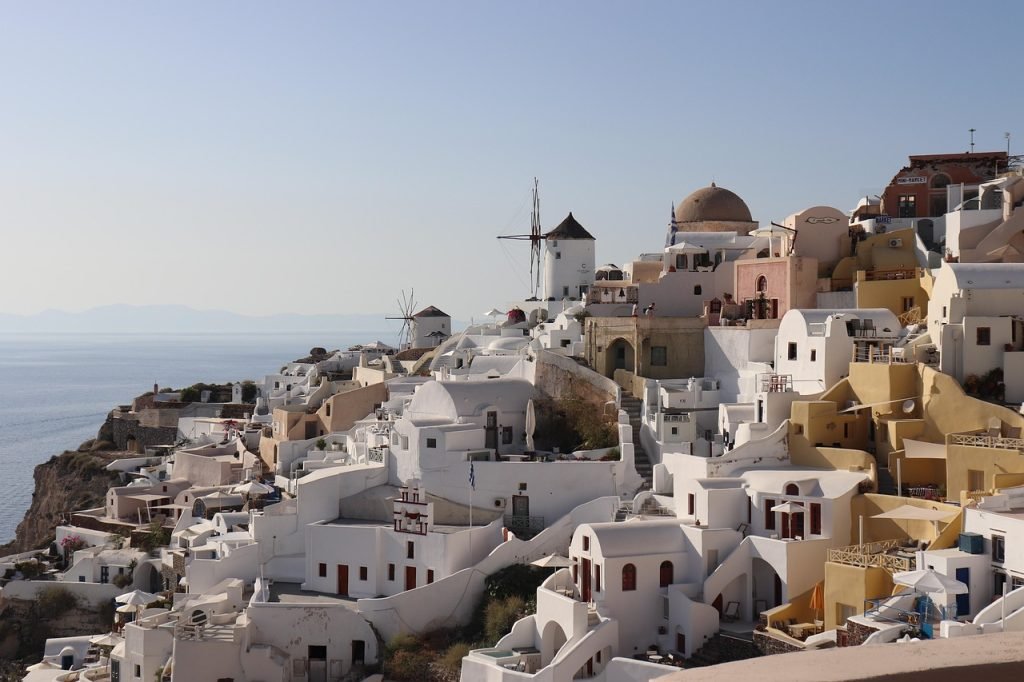
Santorini isn’t just an island—it’s a geological masterpiece wrapped in mythology, draped in bougainvillea, and served with a side of reality that most Instagram accounts conveniently omit. This crescent-shaped remnant of a massive volcanic explosion offers experiences that range from transcendent to tourist-trap tedious, often within the same postcard-perfect village. Here’s your unvarnished guide to navigating one of the world’s most photographed destinations while finding the authentic soul beneath the whitewashed surface.
The Caldera Complex: Understanding Santorini’s Dramatic Geography
Before diving into villages and viewpoints, understanding Santorini’s unique formation transforms your entire perspective. This isn’t just another Greek island—it’s the rim of a collapsed volcanic crater formed by one of history’s most catastrophic eruptions around 1600 BCE. The explosion was so massive it likely inspired Plato’s Atlantis myth and contributed to the decline of Minoan civilization.
The dramatic cliffs you’ll photograph aren’t just scenic backdrops—they’re the walls of this ancient caldera, rising 400 meters directly from the Aegean Sea. The smaller islands of Nea Kameni and Palea Kameni in the center are still-active volcanic domes, continuously reshaping this otherworldly landscape. This geological drama creates Santorini’s famous sunset amphitheater, where millions gather annually to watch the sun disappear behind the volcanic islands.
Understanding this context elevates every view, every wine tasting, and every clifftop walk from simple tourism to witnessing one of Earth’s most spectacular geological stories still being written.
Oia: Confronting the Crowd Phenomenon
Let’s address Santorini’s elephant in the room immediately: Oia at sunset is simultaneously magical and maddening. This impossibly photogenic village, with its blue-domed churches and whitewashed cave houses, attracts thousands of visitors daily, all seeking that perfect Instagram shot of the world’s most famous sunset.
The reality is nuanced. Oia is genuinely stunning, its Cycladic architecture perfectly preserved and dramatically positioned on the caldera rim. The sunset views are objectively spectacular, and the village’s maze of narrow streets reveals architectural details and hidden viewpoints that reward exploration beyond the main tourist thoroughfares.
However, during peak season (June through September), Oia becomes a human zoo. Arriving tour buses disgorge thousands of visitors between 4 PM and 8 PM daily. The narrow streets become impassable, restaurants require reservations weeks in advance, and finding a decent sunset viewing spot requires arriving hours early or paying premium prices at clifftop bars.
The honest approach: Visit Oia, but strategically. Arrive early morning or late evening when the light is equally beautiful but crowds minimal. Explore the village’s quieter eastern sections, where traditional architecture exists without the tourist infrastructure. Consider sunset alternatives—Imerovigli and Firostefani offer equally dramatic views with significantly fewer crowds.
During peak season, the sunset at Oia is an experience to endure rather than enjoy. Off-season visits (October through April) reveal Oia’s genuine charm, when you can actually hear the waves below and appreciate the architecture without human obstacles.
Fira: The Beating Heart Beyond the Tourist Facade
Fira, Santorini’s capital, suffers from an identity crisis between authentic Greek town and international resort destination. The main tourist strip along the caldera rim showcases everything problematic about modern Greek tourism—overpriced restaurants with mediocre food, aggressive souvenir vendors, and cruise ship crowds that transform narrow streets into human rivers.
Yet beneath this commercial veneer lies a functioning Greek town with genuine character. Venture beyond the caldera-facing tourist zone into Fira’s residential neighborhoods, where local life continues largely unaffected by tourism. Here you’ll find family-run tavernas serving authentic Greek cuisine at reasonable prices, traditional bakeries producing fresh bread for locals, and coffee shops where conversation flows in Greek rather than broken English.
The Archaeological Museum of Thera, often overlooked by visitors fixated on sunset photographs, houses extraordinary Minoan artifacts excavated from Akrotiri. These 3,600-year-old frescoes and pottery provide tangible connections to the civilization that thrived here before the volcanic catastrophe.
Fira’s clifftop walkway to Firostefani and Imerovigli offers spectacular caldera views without Oia’s crushing crowds. This 30-minute walk reveals traditional architecture, hidden churches, and viewpoints where you can actually pause for photographs without tourist interference.
The cable car down to the old port provides access to volcanic island boat tours, but the traditional donkey path offers a more authentic (if aromatic) experience. The donkeys are generally well-cared for, despite animal welfare concerns raised by some visitors.
Imerovigli: The Quiet Sophistication Alternative
Perched on Santorini’s highest caldera point, Imerovigli offers everything visitors seek in Oia without the overwhelming crowds. This elegant village features equally dramatic sunset views, sophisticated restaurants, and luxury accommodations, but maintains a more intimate, refined atmosphere.
The village’s position provides panoramic caldera views extending from Oia in the north to Akrotiri in the south. The famous Skaros Rock, accessible via a moderate 20-minute hike, offers 360-degree views and fascinating ruins of a medieval fortress. This walk provides excellent photography opportunities and historical context often missing from other tourist activities.
Imerovigli’s restaurants generally offer higher quality cuisine than their Fira counterparts, with several establishments featuring Michelin recognition. The village’s smaller scale means reservations are easier to secure, and the dining experience feels more intimate than the factory-style operations common in busier areas.
The accommodation options in Imerovigli range from traditional cave houses to luxury suites, many featuring private pools and terraces with unobstructed caldera views. While expensive, these properties offer the quintessential Santorini experience without the compromise and crowds found elsewhere.
Firostefani: Where Locals and Visitors Coexist
Positioned between Fira and Imerovigli, Firostefani represents Santorini at its most balanced—beautiful enough to attract visitors, traditional enough to maintain authentic character, and practical enough for reasonable prices and genuine local interaction.
The village’s blue-domed church of Agios Gerasimos appears in countless Santorini photographs, but Firostefani offers much more than this single iconic image. The residential streets reveal traditional Cycladic architecture adapted for volcanic terrain, with cave houses carved directly into the cliff face and newer constructions that respect traditional aesthetics.
Local tavernas in Firostefani serve some of Santorini’s best traditional cuisine at prices that won’t shock your credit card statement. Family-run establishments like Naoussa Restaurant have been serving the same recipes for generations, offering insights into authentic Santorinian gastronomy beyond the tourist-oriented fusion cuisine common elsewhere.
The caldera walkway through Firostefani provides excellent sunset viewing opportunities with manageable crowds. Unlike Oia’s circus atmosphere, you can actually enjoy the experience while engaging in normal conversation.
Pyrgos: Authentic Santorini in the Island’s Heart
Pyrgos reveals what Santorini looked like before mass tourism transformed the coastal villages. This traditional settlement, built around a Venetian castle, maintains its authentic character through geographic isolation from the caldera tourist circuit.
The village’s narrow, winding streets follow medieval patterns designed for defense rather than tourism convenience. Traditional cube houses, many still occupied by local families, showcase Cycladic architecture in its functional rather than decorative form. The central castle ruins provide panoramic island views including both the caldera and the eastern coastline.
Pyrgos serves as Santorini’s wine capital, surrounded by some of the island’s most prestigious vineyards. The traditional wineries here offer tastings and tours that focus on viticulture rather than tourism entertainment, providing genuine insights into Santorini’s 3,500-year winemaking tradition.
The village’s restaurants cater primarily to locals, ensuring authentic recipes and reasonable prices. The lack of caldera views means tourists often skip Pyrgos entirely, creating opportunities for genuine cultural interaction and traditional dining experiences.
During Orthodox Easter, Pyrgos hosts one of Greece’s most spectacular celebrations, with thousands of homemade fireworks illuminating the castle and surrounding vineyards. This authentic festival provides insights into Santorinian culture largely invisible to summer tourists.
Megalochori: Wine Country Tranquility
Megalochori represents Santorini’s agricultural heritage, surrounded by vineyards and maintaining its traditional character despite increasing tourist interest. This peaceful village offers insights into island life beyond the dramatic caldera views.
The settlement’s architecture reflects its wine-producing function, with traditional canavas (wine cellars) carved into volcanic rock and courtyards designed for grape processing. Many of these historic structures now house boutique accommodations and authentic restaurants, creating unique experiences that blend history with modern comfort.
The surrounding vineyards produce some of Santorini’s finest wines, benefiting from the village’s protected location and traditional cultivation methods. Several family-owned wineries offer intimate tastings and tours, providing education about Santorini’s unique viticulture adapted to volcanic soil and minimal rainfall.
Megalochori’s central square, shaded by ancient trees, serves as a community gathering place where local life continues largely unaffected by tourism. Traditional coffee houses and tavernas surrounding the square offer opportunities for authentic cultural interaction and excellent traditional cuisine.
The village provides easy access to some of Santorini’s best beaches, including Red Beach and Vlychada, without the accommodation costs and crowds associated with caldera-rim villages.
Akrotiri: Where Archaeology Meets Geology
The Akrotiri Archaeological Site preserves one of the Mediterranean’s most important Bronze Age settlements, buried and protected by the same volcanic eruption that created Santorini’s dramatic landscape. This “Pompeii of the Aegean” offers tangible connections to the Minoan civilization that once flourished here.
The excavated city reveals sophisticated urban planning, multi-story buildings with indoor plumbing, and extraordinary frescoes that demonstrate advanced artistic achievement. The preservation quality is remarkable, with organic materials like wooden furniture and food stores intact after 3,600 years.
The site’s modern shelter and walkways allow close examination of ancient streets, buildings, and artifacts while protecting the ruins from weather damage. Audio guides provide essential context for understanding the civilization that created this sophisticated settlement.
The nearby Red Beach, accessible via a short hike from Akrotiri village, showcases Santorini’s volcanic geology in spectacular fashion. The red and black cliffs, formed by iron-rich volcanic rock, create a dramatic contrast with the deep blue Aegean Sea. The beach itself is unique but not particularly comfortable, with coarse volcanic sand and limited facilities.
White Beach, accessible only by boat or challenging hike, offers even more dramatic volcanic scenery with towering white cliffs and pristine waters. The isolation ensures fewer crowds but requires planning for access and supplies.
Perissa and Kamari: Black Sand Reality Check
Santorini’s famous black sand beaches represent both the island’s volcanic origins and tourism’s commercial realities. These beaches offer completely different experiences from the caldera villages, with extensive development, water sports, and beach club atmospheres.
Perissa Beach stretches for several kilometers along the southeastern coast, backed by dramatic cliffs and featuring coarse black volcanic sand. The beach infrastructure is extensive, with numerous restaurants, bars, and accommodation options catering to different budgets and preferences.
The black sand creates unique visual impact and interesting photography opportunities, but practical considerations include extreme heat absorption (the sand becomes painfully hot during summer afternoons) and the coarse texture that differs significantly from traditional beach sand.
Kamari Beach offers similar volcanic sand experiences with additional archaeological interest—Ancient Thira ruins crown the mountain separating Kamari from Perissa. The 45-minute hike to these Hellenistic ruins provides excellent views and historical context, though the heat can be intense during summer months.
Both beaches attract different visitor demographics than the caldera villages, with more emphasis on swimming, water sports, and traditional beach vacation activities. The atmosphere is decidedly more relaxed and less focused on photography and sunset viewing.
Water sports opportunities include diving to explore underwater volcanic formations, boat trips to nearby islands, and traditional fishing excursions that provide insights into local maritime culture.
Volcanic Islands: Nea Kameni and Palea Kameni Adventures
The small islands at Santorini’s caldera center offer unique experiences that most visitors glimpse only from caldera rim viewpoints. These active volcanic formations continue growing through ongoing geological activity, creating landscapes that feel genuinely otherworldly.
Nea Kameni, the larger and more recently formed island, features hiking trails across volcanic rock formations to the crater rim. The 30-minute hike reveals steaming fumaroles, sulfur deposits, and panoramic caldera views impossible to achieve from the main island. The landscape feels lunar, with black volcanic rock, sparse vegetation, and constant reminders of ongoing geological activity.
The volcanic crater itself remains active, with visible steam vents and sulfur deposits indicating continued magma activity below. The experience provides visceral understanding of the forces that created Santorini’s dramatic landscape and continue shaping the region.
Palea Kameni offers natural hot springs where volcanic activity heats seawater to comfortable bathing temperatures. The springs are accessed by swimming from tour boats, creating unique experiences combining volcanic geology with relaxation. The mineral-rich waters are reputed to have therapeutic properties, though the sulfur content creates distinctive aromas.
Boat tours to the volcanic islands typically include stops at both locations plus Thirassia Island, providing full-day experiences that combine geology, history, and swimming. The tours offer perspectives on Santorini’s caldera walls impossible to achieve from land, revealing the true scale and drama of the volcanic formation.
Thirassia: Santorini Without the Crowds
Thirassia, the largest fragment of pre-eruption Santorini, offers glimpses of what the main island might have been like before mass tourism. This small island maintains traditional Greek island life with minimal tourist infrastructure and authentic cultural experiences.
The island’s main settlement, Manolas, features traditional Cycladic architecture and genuine local atmosphere. The narrow streets, traditional houses, and small-scale agriculture create an authentic Greek island experience increasingly rare in the modern Aegean.
Boat access from Santorini takes about 30 minutes, with several tour options available. Day trips typically include swimming stops, traditional lunch at local tavernas, and opportunities to explore the village and countryside on foot or by donkey.
The island’s small scale means genuine interaction with local residents, who often speak limited English but welcome visitors with traditional Greek hospitality. The tavernas serve home-cooked meals using local ingredients, providing authentic culinary experiences unavailable on commercial Santorini.
Thirassia’s caldera views rival those from Santorini’s main island but without crowds, tourist infrastructure, or commercial pressure. The sunset views, while less famous than Oia’s, offer equally spectacular experiences with peaceful, contemplative atmospheres.
Wine Culture: Beyond Tourist Tastings
Santorini’s wine tradition spans 3,500 years, with unique cultivation methods adapted to volcanic soil, minimal rainfall, and constant wind. The island’s wines, particularly the crisp Assyrtiko whites, represent some of Greece’s finest viticulture and deserve serious exploration beyond superficial tourist tastings.
The traditional basket-weave vine training method, called kouloura, protects grapes from wind while maximizing moisture collection from morning dew. This ancient technique, still used throughout the island, creates distinctive circular vine formations that add visual interest to the volcanic landscape.
Traditional wineries like Santo Wines, Boutari, and Argyros offer educational tastings that explain Santorini’s unique terroir and winemaking challenges. The volcanic soil imparts distinctive mineral characteristics to the wines, while the lack of phylloxera allows vines to grow on original rootstock, some over 100 years old.
The Vinsanto dessert wine, made from sun-dried grapes, represents Santorini’s most traditional wine style. This amber-colored sweet wine, aged for years in oak barrels, offers complex flavors and historical connections to Byzantine and Venetian periods.
Several wineries offer sunset tastings that combine spectacular caldera views with serious wine education, providing alternatives to crowded village sunset viewing. These experiences often include food pairings featuring local ingredients and traditional recipes.
Culinary Authenticity: Finding Real Greek Food
Santorini’s tourist-focused restaurants often serve international cuisine adapted for tourist palates rather than authentic Greek flavors. However, genuine local cuisine exists for visitors willing to venture beyond the obvious tourist areas.
Traditional Santorinian ingredients include fava beans (yellow split peas), cherry tomatoes, white eggplant, and capers, all adapted to the island’s volcanic soil and dry climate. These ingredients appear in authentic local dishes rarely found in tourist-oriented establishments.
Fava, made from yellow split peas grown in volcanic soil, represents Santorini’s most distinctive dish. When properly prepared, this simple puree reveals complex flavors influenced by mineral-rich volcanic terroir. Many restaurants serve inferior versions, but authentic preparations showcase why this humble dish achieved Protected Designation of Origin status.
The cherry tomatoes, intensely flavored due to minimal water and volcanic growing conditions, appear in traditional salads and preserves. Local varieties differ significantly from standard tourist restaurant offerings, with concentrated flavors and unique sweetness.
Traditional tavernas in villages like Pyrgos, Megalochori, and Emporio serve authentic recipes using local ingredients. These establishments often lack English menus and tourist amenities but provide genuine culinary experiences and cultural interaction.
Strategic Timing: Seasons and Crowds
Santorini’s tourism patterns create dramatically different experiences depending on timing, with strategic planning making the difference between magical memories and crowded disappointment.
Peak season (July-August) brings crushing crowds, extreme prices, and reservation challenges that can overwhelm the island’s infrastructure. Ferries arrive packed with day-trippers, rental cars become unavailable, and restaurant reservations require booking weeks in advance. The experience often becomes more about crowd management than cultural exploration.
Shoulder seasons (May-June and September-October) offer optimal conditions with warm weather, manageable crowds, and reasonable prices. The sea remains warm for swimming, sunset viewing becomes pleasant rather than competitive, and authentic cultural experiences become accessible.
Winter months (November-March) reveal Santorini’s authentic character, with most tourist infrastructure closed but genuine local life continuing. Weather can be unpredictable, but the experience offers insights into real Greek island life impossible during tourist season.
Spring (April-May) provides excellent weather with wildflowers blooming across the volcanic landscape. Crowds remain minimal, prices stay reasonable, and the island’s natural beauty reaches its peak with fresh vegetation contrasting against volcanic rock.
Transportation Decoded: Getting Around Strategically
Santorini’s small size makes transportation seem simple, but strategic choices significantly impact your experience and budget.
Rental cars provide maximum flexibility but come with significant challenges during peak season. Parking in villages like Oia and Fira becomes nearly impossible, traffic moves at crawling speeds, and narrow roads create stress rather than enjoyment. However, cars enable exploration of authentic villages and beaches inaccessible by public transport.
The local bus system connects major villages and beaches efficiently and inexpensively. Routes focus on tourist destinations, with regular service between Fira, Oia, and major beaches. However, buses become extremely crowded during peak times, and schedules may not align with sunset viewing plans.
ATVs and scooters offer compromise solutions, providing more flexibility than buses while avoiding car rental costs and parking challenges. However, the constant wind, narrow roads, and inexperienced tourist drivers create safety concerns that require careful consideration.
Walking remains the best option for exploring villages and enjoying caldera views. The distance from Fira to Oia along the caldera rim is about 10 kilometers, achievable in 2-3 hours with stops for photography and refreshments. This walk reveals viewpoints and experiences impossible to achieve by vehicle.
Accommodation Strategy: Location Versus Value
Santorini’s accommodation options range from luxury cave suites with private pools to budget hostels, with location dramatically affecting both price and experience.
Caldera-rim accommodations in Oia, Imerovigli, and Firostefani command premium prices but provide the quintessential Santorini experience with sunset views and infinity pools. These properties often book months in advance during peak season, with prices reaching luxury resort levels.
Village accommodations away from the caldera offer significantly better value while maintaining authentic character. Properties in Pyrgos, Megalochori, and Emporio provide traditional architecture and local atmosphere at reasonable prices, though without direct caldera views.
Beach accommodations near Perissa and Kamari focus on swimming and water sports rather than sunset viewing. These properties offer different experiences with extensive facilities, beach access, and more traditional resort atmospheres.
Cave house accommodations, carved into volcanic cliffs, provide unique experiences that showcase traditional Santorinian architecture. However, these properties often lack natural light and can feel claustrophobic despite their romantic appeal in photographs.
Photography Beyond the Obvious
Santorini’s photogenic qualities extend far beyond the famous blue domes and sunset silhouettes, with opportunities for unique images throughout the island.
The volcanic landscape provides dramatic compositions unavailable elsewhere in the Mediterranean. Black sand beaches, red cliff formations, and steaming volcanic craters offer otherworldly imagery that showcases the island’s geological origins.
Traditional architecture details reward close examination, from carved doorways and stone arches to traditional windmills and abandoned buildings. These elements provide cultural context and artistic interest beyond the obvious scenic overlooks.
Local life continues throughout Santorini despite tourism pressure, offering authentic moments and cultural insights. Traditional occupations like fishing, farming, and winemaking provide opportunities for respectful cultural photography with permission and appropriate interaction.
The changing light throughout the day transforms familiar locations into completely different photographic opportunities. Early morning and late afternoon provide dramatic shadows and warm colors that reveal architectural details and landscape textures invisible during harsh midday light.
Hidden Corners: Off-the-Beaten-Path Santorini
Despite its small size and tourist popularity, Santorini retains hidden corners and authentic experiences for visitors willing to explore beyond the obvious attractions.
The village of Emporio, built around a medieval fortress, maintains traditional character with minimal tourist infrastructure. The narrow streets, traditional houses, and central windmill create authentic Greek island atmosphere within walking distance of major attractions.
Traditional windmills scattered across the island provide historical context and unique photography opportunities. Many remain in excellent condition, showcasing the engineering solutions that enabled life on this windy, dry island.
The lighthouse at Akrotiri offers dramatic coastal views and sunset opportunities without crowds. The structure itself provides historical interest, while the surrounding coastline reveals geological formations and traditional fishing activities.
Abandoned buildings and industrial sites throughout the island tell stories of economic changes and population shifts that shaped modern Santorini. These locations provide cultural context and artistic opportunities while respecting private property and safety considerations.
Weather Wisdom: Understanding Santorini’s Climate
Santorini’s Mediterranean climate creates predictable patterns that significantly impact visitor experiences and activity planning.
The famous meltemi winds blow consistently during summer months, providing cooling relief but creating challenges for boat trips, outdoor dining, and hair maintenance in photographs. These winds can reach significant intensity, affecting ferry schedules and making some activities uncomfortable or dangerous.
Summer temperatures regularly exceed 30°C (86°F), with intense sun exposure due to minimal shade and reflective white buildings. The volcanic rock absorbs and radiates heat, making some surfaces too hot to touch during peak afternoon hours.
Rainfall is minimal during tourist season but can be intense during winter months. The volcanic soil doesn’t absorb water well, creating flash flood risks in villages built in valleys or low-lying areas.
Sea temperatures reach comfortable swimming levels from May through October, with peak warmth in late summer. However, the volcanic coastline means steep drop-offs and minimal shallow areas for gradual entry.
The Price of Paradise: Budget Reality
Santorini’s prices reflect its international popularity and limited supply, with costs significantly higher than mainland Greece or other Greek islands.
Accommodation costs can consume entire travel budgets, particularly for caldera-rim properties with sunset views. Budget options exist but often lack the amenities and locations that justify visiting Santorini rather than less expensive Greek destinations.
Restaurant prices in tourist areas can shock visitors accustomed to typical Greek dining costs. A simple meal for two with wine can easily cost €60-80 in tourist areas, with premium establishments charging significantly more.
Transportation costs add up quickly, with rental cars, taxis, and tour boats all commanding premium prices during peak season. The island’s small size means even short trips can be expensive due to limited competition and high demand.
Activity costs, from wine tastings to boat tours, reflect the captive tourist market. However, many experiences provide good value when compared to similar activities in other international destinations.
Honest Expectations: What Santorini Really Delivers
Santorini delivers spectacular beauty, unique geology, and genuine cultural experiences, but visitors need realistic expectations to avoid disappointment.
The crowds are real and can be overwhelming during peak season. Popular viewpoints become human zoos, restaurants require advance reservations, and transportation becomes challenging. This isn’t a secret paradise—it’s one of the world’s most popular destinations.
The prices are genuinely high, reflecting international demand and limited supply. Budget travelers can visit Santorini but should expect significant compromises or brief stays that limit the full experience.
The Instagram reality often differs from photographic representations. Professional photographers use angles, timing, and editing techniques that eliminate crowds and enhance colors beyond natural appearance.
The cultural authenticity requires effort to discover, existing alongside rather than integrated with the tourism industry. Genuine Greek experiences are available but don’t happen automatically through typical tourist activities.
Your Santorini Legacy
Santorini offers the rare combination of dramatic natural beauty, fascinating history, and developed tourism infrastructure that enables comfortable exploration of extraordinary landscapes. Despite crowds and commercialization, the island’s fundamental appeal remains intact for visitors who approach it with realistic expectations and strategic planning.
The key to meaningful Santorini experiences lies in balancing the famous attractions with deeper exploration of the island’s culture, history, and natural environment. The sunsets are genuinely spectacular, the architecture authentically beautiful, and the geological story compelling enough to justify international travel.
Plan for crowds and high prices while seeking authentic experiences beyond the obvious tourist circuit. Engage with local culture respectfully, explore the island’s wine and culinary traditions seriously, and remember that Santorini’s popularity stems from genuine rather than manufactured appeal.
Whether you come for the sunsets, the history, the wine, or simply the unique experience of standing on the rim of an active volcanic crater, Santorini delivers experiences that justify its reputation while challenging visitors to look beyond the surface beauty to understand the forces that created this extraordinary place.