Picture this: you’ve just stepped off the plane in Dublin, Ireland’s vibrant capital, and you have exactly 48 hours to fall in love with a city that has been captivating visitors for over a thousand years. Sound impossible? Think again.
Dublin isn’t just another European capital—it’s a living, breathing tapestry of medieval history, world-renowned literary heritage, and pub culture so authentic it’ll make you want to extend your stay indefinitely. While many travelers treat Dublin as merely a gateway to Ireland’s legendary countryside, those in the know understand that this compact, walkable city deserves far more than a cursory glance.
After countless visits and conversations with locals who’ve called Dublin home for generations, I can confidently say that two days in this remarkable city will give you memories to last a lifetime—if you know where to go and what to prioritize.
Why Dublin Absolutely Must Be on Your Ireland Travel Itinerary
Let’s address the elephant in the room: yes, Ireland’s countryside is breathtaking. The Ring of Kerry, the Wild Atlantic Way, the Cliffs of Moher—they’re all spectacular. But here’s what many guidebooks won’t tell you: Dublin is where Ireland’s soul truly lives and breathes.
This is the city where James Joyce penned “Ulysses,” where U2 first took the stage, and where rebels planned the Easter Rising that would eventually lead to Irish independence. Dublin’s cobblestone streets have witnessed over 1,000 years of history, from Viking settlements to British rule to the birth of modern Ireland.
More importantly, Dublin offers something many European capitals have lost—genuine warmth and accessibility. You can strike up a conversation with a stranger in a pub at 3 PM on a Tuesday and find yourself invited to a traditional music session that evening. This isn’t tourist marketing speak; this is the lived reality of Dublin’s social fabric.
The city’s compact size works entirely in your favor. Unlike London or Paris, where you might spend half your day on public transport, Dublin’s main attractions are within easy walking distance of each other. You can genuinely experience the city’s essence without feeling rushed or superficial.
Your Complete 48-Hour Dublin Adventure: Day-by-Day Breakdown
Day 1: Immersing Yourself in Dublin’s Historical Heart
Morning (9:00 AM – 12:00 PM): Trinity College and the Book of Kells Experience
Start your Dublin journey where Ireland’s intellectual tradition began. Trinity College, founded in 1592, isn’t just a university—it’s a living museum of Irish academic excellence. The main attraction here is the Book of Kells, an illuminated manuscript created by monks around 800 AD that represents one of humanity’s greatest artistic achievements.
But here’s the insider secret: while everyone rushes to see the Book of Kells, the real showstopper is the Long Room Library. Stretching 65 meters long and housing over 200,000 of the library’s oldest books, this architectural marvel inspired the Jedi Archives in Star Wars. The morning light filtering through the tall windows creates an almost mystical atmosphere that photographers dream about.
Pro tip: Book your tickets online in advance. The €16 entrance fee includes both the Book of Kells exhibition and Long Room access, and you’ll skip the queues that can stretch for hours during peak season.
Lunch (12:00 PM – 1:30 PM): The Brazen Head – Ireland’s Oldest Pub
After absorbing centuries of written knowledge, it’s time to experience Dublin’s oral tradition at The Brazen Head, officially Ireland’s oldest pub (established in 1198). This isn’t just a lunch stop—it’s a cultural immersion.
The pub’s stone walls have witnessed conversations between Irish revolutionaries, British officials, and everyone in between. James Joyce mentioned it in “Ulysses,” and traditional Irish music sessions happen here regularly. Order the Irish stew (made with Guinness, naturally) and a pint of the black stuff. Don’t be surprised if you end up chatting with locals who treat this place like their living room.
Afternoon (1:30 PM – 5:00 PM): Dublin Castle and Chester Beatty Library Deep Dive
Dublin Castle represents 800 years of political power in Ireland. Originally built by the Normans in the 13th century, it served as the seat of British rule in Ireland until 1922. Today’s guided tours reveal state apartments that hosted kings, queens, and presidents, plus the archaeological excavations that uncovered the original Viking settlement.
The castle gardens provide a peaceful respite, but don’t leave without visiting the Chester Beatty Library, located within the castle grounds. This often-overlooked gem houses one of the world’s finest collections of manuscripts, rare books, and decorative arts from across Asia, the Middle East, North Africa, and Europe. The collection includes biblical papyri, Quranic manuscripts, Chinese jade books, and Japanese woodblock prints. Entry is free, making it one of Dublin’s best-kept secrets.
Late Afternoon (5:00 PM – 7:00 PM): Guinness Storehouse – More Than Just Beer
Yes, the Guinness Storehouse is touristy. Yes, it’s expensive (€25+ per person). But here’s why it’s worth every euro: this isn’t just about beer—it’s about understanding a fundamental piece of Irish identity.
The seven-story experience takes you through the history of a brand that became synonymous with Ireland itself. You’ll learn about Arthur Guinness’s revolutionary 9,000-year lease (yes, 9,000 years), the science behind the perfect pour, and how Guinness became a global symbol of Irish culture.
The climax is the Gravity Bar on the seventh floor, offering 360-degree panoramic views of Dublin while you enjoy your complimentary pint. The sunset views from here are legitimately stunning, and you’ll understand why this spot appears in countless Dublin travel photos.
Evening (7:00 PM onwards): Temple Bar and Beyond
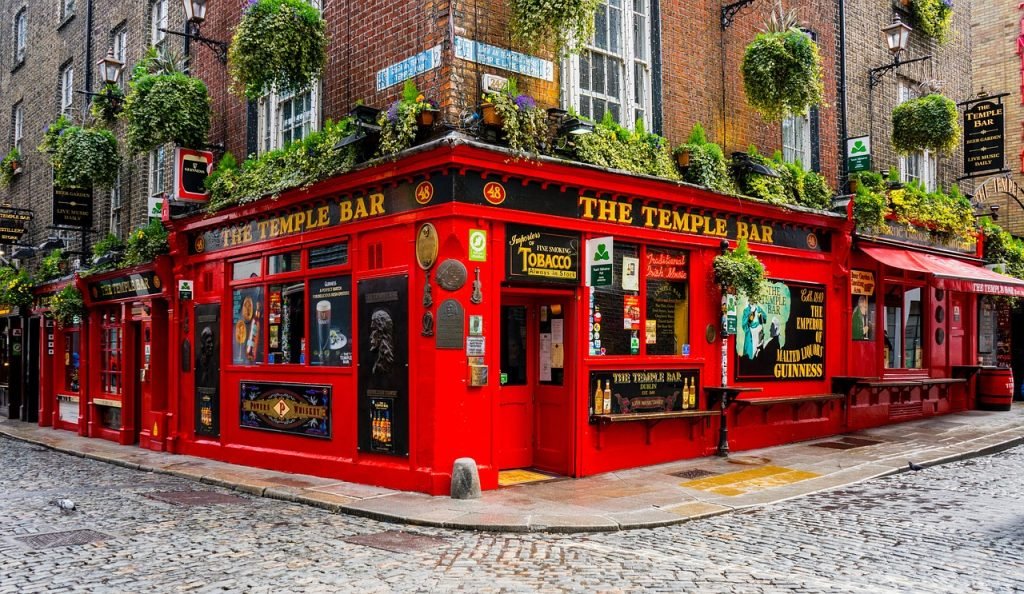
Temple Bar gets a bad rap from locals as a “tourist trap,” and honestly, they’re not entirely wrong. The area can be crowded and overpriced. But here’s the thing—it’s also undeniably atmospheric, especially in the evening when the cobblestone streets fill with music, laughter, and the warm glow of pub lights.
Spend an hour wandering Temple Bar to soak in the energy, but then venture beyond to experience authentic Dublin pub culture. Head to nearby pubs like The Palace Bar on Fleet Street (a literary haunt with incredible whiskey selection) or Mulligan’s on Poolbeg Street (renowned for serving some of Dublin’s best Guinness).
Day 2: Discovering Dublin’s Soul and Hidden Neighborhoods
Morning (9:00 AM – 12:00 PM): Kilmainham Gaol – Ireland’s Most Moving Historical Experience
If you do only one thing in Dublin, make it this. Kilmainham Gaol isn’t just a former prison—it’s where Irish independence was born, fought for, and won. The guided tour (included in the €9 admission) is genuinely moving, taking you through the cells where Irish revolutionaries spent their final days before execution.
You’ll stand in the yard where the leaders of the 1916 Easter Rising were executed, walk through the cells where political prisoners carved their names into stone, and understand how this building became a symbol of Irish resilience. The tour guides are exceptional storytellers who bring these historical figures to life with passion and respect.
The museum portion displays artifacts that tell Ireland’s complex struggle for independence, including letters written by prisoners to their families and personal belongings recovered from cells. Allow at least two hours for the full experience.
Midday (12:00 PM – 2:00 PM): Dublin’s Medieval Cathedral Tour
Dublin’s two medieval cathedrals offer contrasting but equally fascinating glimpses into the city’s religious and architectural heritage. St. Patrick’s Cathedral, Ireland’s largest cathedral, is where Jonathan Swift (author of “Gulliver’s Travels”) served as dean. The cathedral’s Gothic architecture and literary connections make it a must-see for culture enthusiasts.
Christ Church Cathedral, Dublin’s older cathedral (founded around 1030), features stunning Romanesque and Gothic architecture plus the famous crypt, one of the largest in Britain and Ireland. The cathedral’s bells inspired the famous nursery rhyme “Oranges and Lemons.”
Both cathedrals offer combined tickets for €13, making them an affordable cultural experience. The acoustics in both buildings are remarkable—if you’re lucky enough to visit during choir practice, the experience becomes transcendent.
Afternoon (2:00 PM – 5:00 PM): St. Stephen’s Green and Dublin’s Georgian Splendor
After the intensity of Kilmainham Gaol and the cathedrals, St. Stephen’s Green offers a perfect respite. This 22-acre Victorian park in Dublin’s city center provides an oasis of tranquility surrounded by some of Dublin’s finest Georgian architecture.
Take time to actually sit and people-watch. Dubliners use this space as their outdoor living room—office workers having lunch, university students studying under trees, families feeding ducks at the pond. It’s a masterclass in urban park design and a window into daily Dublin life.
From St. Stephen’s Green, stroll down Grafton Street, Dublin’s premier pedestrian shopping street. Street performers here aren’t just buskers—many are seriously talented musicians who’ve made Grafton Street performances a stepping stone to professional careers. The energy is infectious, and the quality of performances often rivals paid concerts.
Don’t miss the Little Museum of Dublin nearby (€8 admission). This quirky museum tells Dublin’s story through donated objects from ordinary Dubliners. It’s intimate, personal, and often hilarious—exactly what you’d expect from a city known for its storytelling tradition.
Late Afternoon (5:00 PM – 7:00 PM): Merrion Square and Georgian Dublin’s Architectural Masterpiece
Merrion Square represents Dublin’s Georgian golden age (18th-19th centuries) at its finest. The perfectly preserved Georgian townhouses with their iconic colorful doors create one of Europe’s most photogenic neighborhoods. Each door color tells a story—legend says they were painted bright colors so drunk residents could find their homes, though historians suggest it was simply fashionable rebellion against British preferences for black doors.
The square’s park features statues honoring Irish literary giants, including a particularly charming sculpture of Oscar Wilde lounging on a rock. Wilde’s childhood home is just across the square, and his statue’s witty inscriptions perfectly capture his sardonic humor.
Evening (7:00 PM onwards): Jameson Distillery and Authentic Pub Culture
End your Dublin adventure with a tour of the Jameson Distillery Bow St. (€20-25 depending on experience level). Located in the original Jameson distillery building, this immersive experience teaches you about Irish whiskey production through interactive exhibits and, naturally, tastings.
The “Whiskey Tasting Experience” teaches you to distinguish between Irish whiskey, Scotch whisky, and American bourbon—skills that will impress friends for years to come. The bar here serves exceptional whiskey cocktails if you want to extend the experience.
For your final Dublin evening, skip the tourist pubs and venture to where locals actually drink. This is where Dublin’s real magic happens—in conversations with strangers who become friends over perfectly poured pints.
Authentic Dublin Pubs: Where Real Dubliners Gather
Dublin’s pub culture runs deeper than alcohol—these are community centers, music venues, meeting places, and cultural institutions rolled into one. Here are the pubs locals actually recommend:
The Cobblestone (Smithfield): This isn’t just a pub; it’s Dublin’s most authentic traditional Irish music venue. Multiple traditional music sessions happen here weekly, featuring musicians who learned songs from their grandparents. The crowd includes everyone from construction workers to university professors, united by their love of Irish music and craic (good times).
The Stag’s Head (City Centre): A Victorian masterpiece with original mahogany bar, stained glass windows, and ornate ceiling. The Guinness here is exceptional, and the atmosphere feels frozen in time in the best possible way. Look for the stained glass windows depicting stags’ heads—they’re original Victorian artwork.
The Palace Bar (Fleet Street): A literary pub where journalists from the nearby Irish Times have gathered for decades. The whiskey selection is extraordinary, and the walls display photos of famous writers who’ve drunk here. Perfect for intimate conversations and serious whiskey appreciation.
Mulligan’s (Poolbeg Street): Dubliners swear this pub serves the city’s best Guinness. The loyalty of the local crowd speaks volumes—some regulars have been coming here for decades. The pub’s proximity to Trinity College means interesting conversations between students, professors, and longtime locals.
The Bernard Shaw (Portobello): Dublin’s most creative pub, combining traditional drinking with contemporary arts, food trucks, and cultural events. The outdoor area features shipping containers converted into bars and shops, creating a unique cultural hub that represents modern Dublin’s innovative spirit.
Each of these establishments offers genuine insights into Dublin’s social fabric that you simply can’t get from guidebooks.
Hidden Dublin Gems: Beyond the Tourist Trail
CityDays Immersive Scavenger Hunt: This isn’t your typical tourist activity. CityDays creates interactive adventures that lead you through Dublin’s lesser-known streets, revealing local secrets, historical oddities, and hidden architectural details you’d never notice otherwise. It’s perfect for competitive travelers who want to explore while solving puzzles.
Umbrella Street: Located in the Creative Quarter, this colorful alley installation creates one of Dublin’s most Instagram-worthy spots. But beyond the photos, the surrounding area showcases Dublin’s contemporary arts scene with galleries, studios, and creative spaces that represent the city’s cultural evolution.
Smithfield: Once an industrial area, Smithfield has transformed into one of Dublin’s trendiest neighborhoods. The Sunday farmers market showcases Ireland’s exceptional artisanal food scene, while the surrounding cafés and boutiques represent Dublin’s contemporary creative energy. The cobblestone square hosts regular events that feel authentically local rather than tourist-focused.
Howth: Just 30 minutes by DART (Dublin’s light rail), this picturesque fishing village offers dramatic cliff walks, exceptional seafood, and stunning views across Dublin Bay. The Howth Head cliff walk provides the countryside experience many visitors seek without leaving Dublin’s vicinity. The village’s fish and chips are legendary among Dubliners who make regular pilgrimages here.
Essential Dublin Day Trips: Expanding Your Irish Experience
If you have additional time or want to venture beyond Dublin’s borders, these day trips offer spectacular insights into Ireland’s diverse landscapes and history:
Cliffs of Moher and Galway City (Full Day Tour): Ireland’s most famous cliffs rise 214 meters above the Atlantic Ocean, creating some of Europe’s most dramatic coastal scenery. Combined with Galway city’s vibrant arts scene, traditional music culture, and exceptional restaurants, this trip provides a perfect taste of western Ireland’s wild beauty and cultural richness.
Wicklow Mountains – “The Garden of Ireland” (Half or Full Day): Just south of Dublin, County Wicklow offers some of Ireland’s most beautiful mountain scenery. Glendalough, a 6th-century monastic settlement surrounded by lakes and mountains, provides both historical significance and natural beauty. The area’s hiking trails range from gentle walks to challenging mountain climbs.
Newgrange and the Boyne Valley (Half Day): This UNESCO World Heritage site features a passage tomb older than Stonehenge and the Egyptian pyramids. Built around 3200 BC, Newgrange demonstrates the sophistication of Ireland’s Neolithic inhabitants. The winter solstice illumination (when sunlight penetrates the tomb’s inner chamber) is particularly spectacular, though viewing requires advance booking.
Planning Your Dublin Adventure: Practical Insights
Transportation: Dublin is exceptionally walkable, with most major attractions within 2-3 kilometers of each other. The city center is compact enough that walking between sites often takes less time than waiting for public transport. However, Dublin Bus and the DART light rail system efficiently connect outer areas like Howth.
Accommodation: Stay in Dublin city center if possible. Areas like Temple Bar, St. Stephen’s Green, and Trinity College vicinity put you within walking distance of major attractions while providing easy access to authentic pubs and restaurants.
Weather: Dublin’s weather is famously unpredictable. Pack layers and waterproof clothing regardless of season. The city’s beauty shines through rain, and many attractions (pubs, museums, libraries) provide perfect rainy-day alternatives.
Budget: Dublin can be expensive, but strategic planning helps. Many museums and galleries offer free admission, pub food is often excellent and reasonably priced, and walking tours provide exceptional value. Book major attractions (Trinity College, Guinness Storehouse) online for discounts and guaranteed entry.
Why Dublin Deserves More Than a Stopover
Here’s the honest truth: Dublin will surprise you. This isn’t a city trying to impress visitors with grand monuments or overwhelming scale. Instead, Dublin charms through genuine warmth, intellectual curiosity, and cultural authenticity that feels increasingly rare in our globalized world.
You’ll discover literary history around every corner—from James Joyce’s Dublin to contemporary Irish writers continuing the tradition. You’ll experience traditional Irish music sessions that connect you directly to centuries of cultural heritage.
Most importantly, you’ll understand why Irish people are so proud of their capital. Dublin isn’t trying to be London or Paris—it’s confidently, authentically itself. In an era of homogenized travel experiences, Dublin’s distinct personality feels revolutionary.
Two days provides enough time to experience Dublin’s essential character while leaving you wanting more. Whether you’re savoring perfectly poured Guinness in a centuries-old pub, wandering cobblestone streets steeped in revolutionary history, or discovering contemporary Irish creativity in hidden galleries and markets, Dublin offers layers of experience that reward deeper exploration.
Don’t just pass through Dublin on your way to Ireland’s countryside. Embrace the city’s unique energy, engage with its incredible people, and let Dublin’s distinctive spirit work its magic. Those 48 hours might just become the most memorable part of your entire Irish adventure.
The real Dublin isn’t found in guidebooks—it’s discovered in conversations with locals, in traditional music sessions that spontaneously emerge in neighborhood pubs, and in quiet moments when you realize you’re walking the same streets that inspired some of literature’s greatest works. Give Dublin the time it deserves, and it will reward you with memories that last a lifetime.