Nestled in the heart of Bavaria, Munich stands as one of Germany’s most captivating destinations, seamlessly weaving together centuries of rich history with contemporary German culture. This vibrant Bavarian capital beckons travelers with its world-renowned Oktoberfest celebration, breathtaking Gothic architecture, expansive urban parks, and an infectious joie de vivre that permeates every cobblestone street and traditional beer garden.
Whether you’re drawn by the legendary beer festival atmosphere, fascinated by royal Bavarian history, or simply seeking an authentic German cultural experience, Munich delivers an unforgettable adventure that satisfies every type of traveler. From budget backpackers to luxury seekers, history buffs to modern art enthusiasts, this dynamic city offers something truly special for everyone.
Essential Munich Attractions: Your Ultimate Sightseeing Checklist
1. Marienplatz: The Beating Heart of Munich’s Old Town
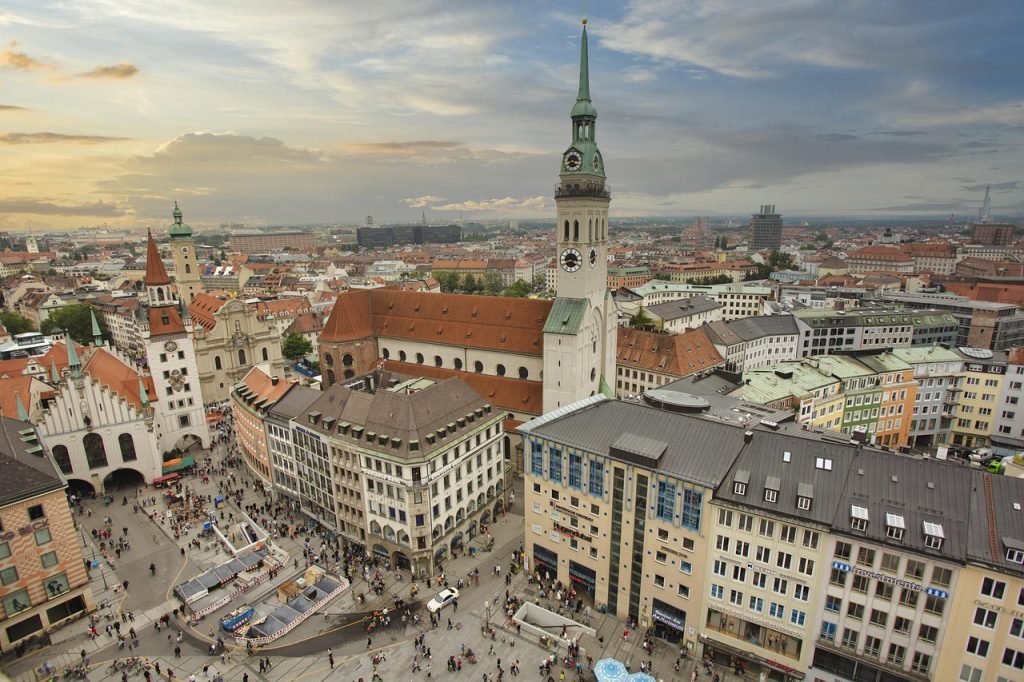
Standing proudly at Munich’s historic center since the 12th century, Marienplatz serves as the city’s most important gathering place and the perfect starting point for any Munich adventure. The square’s crown jewel, the neo-Gothic Neues Rathaus (New Town Hall), commands attention with its intricate facade and the famous Glockenspiel – a mesmerizing mechanical clock performance that brings Bavarian folklore to life three times daily with 43 bells and life-sized dancing figures.
The surrounding pedestrian-friendly streets create a shopper’s paradise, lined with everything from international brands to local Bavarian boutiques. Traditional beer halls like the historic Ratskeller München offer authentic dining experiences just steps from the square. Don’t miss climbing the tower of nearby St. Peter’s Church (Peterskirche) for Instagram-worthy panoramic views that showcase Munich’s red-tiled rooftops stretching toward the distant Alps.
2. Frauenkirche: Munich’s Gothic Masterpiece and Architectural Icon
Dominating Munich’s skyline since the late 15th century, the Cathedral of Our Lady (Frauenkirche) represents one of Bavaria’s most photographed landmarks. This late Gothic masterpiece, constructed between 1468 and 1488 using distinctive red brick, showcases remarkable architectural prowess with its soaring twin towers crowned by unique green onion domes that reach nearly 100 meters into the sky.
The cathedral’s mysterious allure extends beyond its impressive exterior. Inside, visitors discover the legendary “Devil’s Footprint” (Teufelstritt) – a black mark in the floor tiles surrounded by fascinating local legends that have captivated imaginations for centuries. The interior’s vast nave creates an atmosphere of serene spirituality, enhanced by original medieval stained glass windows that cast colorful light patterns throughout the space. Adventure seekers can climb the south tower for breathtaking 360-degree views encompassing Munich’s urban landscape and, on crystal-clear days, the majestic Bavarian Alps forming a dramatic backdrop.
3. Nymphenburg Palace: Royal Splendor and Baroque Gardens
Experience the opulent lifestyle of Bavarian royalty at this magnificent Baroque palace complex that served as the summer retreat for Munich’s ruling Wittelsbach dynasty. The palace’s lavishly decorated interior rooms transport visitors through centuries of royal history, featuring the dazzling Hall of Mirrors with its gold-leafed details and the famous Gallery of Beauties – King Ludwig I’s controversial collection of portraits depicting 36 beautiful women from various social backgrounds.
The extensive palace grounds offer multiple attractions within a single visit. The formal gardens showcase classic Baroque landscape design, while hidden gems like the rococo Amalienburg hunting lodge and the romantic Pagodenburg pavilion provide intimate glimpses into royal leisure activities. The surrounding parklands feature peaceful walking trails, a world-class botanical garden, and seasonal festivals that make this UNESCO World Heritage site a full-day adventure.
4. English Garden: Urban Oasis and Unexpected Surfing Hotspot
Spanning over 900 acres from Munich’s city center to its northern suburbs, the English Garden (Englischer Garten) ranks among the world’s largest urban parks – actually larger than New York’s Central Park. This green sanctuary offers countless recreational opportunities, from leisurely strolls along tree-lined paths to cycling adventures through diverse landscapes that include meadows, woodlands, and babbling streams.
The park’s crown jewel is the famous Chinese Tower beer garden, where up to 7,000 visitors can enjoy traditional Bavarian hospitality under ancient chestnut trees. But perhaps the most unexpected attraction is the Eisbach wave – a standing river wave where brave surfers ride year-round, creating a unique urban surfing culture that draws spectators from around the globe. This juxtaposition of traditional beer garden culture with extreme sports perfectly embodies Munich’s blend of tradition and innovation.
5. Viktualienmarkt: Culinary Paradise and Local Culture Hub
Since 1807, Munich’s beloved Viktualienmarkt has served as the city’s premier gourmet food market, evolving from a simple farmers’ market into a culinary destination that showcases the best of Bavarian and international cuisine. This bustling outdoor market features over 140 stalls offering everything from locally sourced organic produce to artisanal cheeses, traditional Bavarian sausages, exotic spices, and seasonal delicacies.
Food enthusiasts can embark on a gastronomic journey, sampling authentic Weisswurst (traditional white sausage), freshly baked pretzels, regional honey varieties, and carefully selected wines from German vineyards. The market’s central beer garden provides the perfect setting to enjoy purchases while people-watching and soaking up the authentic local atmosphere. Many vendors have been family-operated for generations, offering visitors genuine insights into Bavarian culinary traditions and local recommendations.
6. Munich Residenz: Europe’s Most Spectacular Palace Museum
The former royal palace of Bavaria’s Wittelsbach rulers now houses one of Europe’s most comprehensive palace museums, featuring over 130 meticulously preserved rooms that span four centuries of royal collecting and artistic patronage. Each room tells a different chapter of Bavarian royal history through priceless artifacts, furniture, and decorative arts.
The Renaissance Antiquarium stands as the palace’s architectural masterpiece – a vast barrel-vaulted hall adorned with ancient Roman sculptures and Renaissance frescoes that create an atmosphere of scholarly grandeur. The Treasury (Schatzkammer) displays an extraordinary collection of royal regalia, including crowns, scepters, and precious jewels that once symbolized Bavarian power and prestige. Art lovers will appreciate works by renowned European masters, while history enthusiasts can trace the complex political relationships that shaped Central European history.
7. Allianz Arena: Modern Football Cathedral and Architectural Wonder
Home to the legendary FC Bayern Munich, the Allianz Arena represents cutting-edge stadium design with its revolutionary ETFE cushion facade that can illuminate in different colors depending on which team is playing. This architectural marvel holds 70,000 passionate football fans and has hosted major international tournaments including World Cup and European Championship matches.
Beyond match days, the stadium offers fascinating behind-the-scenes tours that include access to the players’ tunnel, dressing rooms, and VIP areas where visitors learn about Bayern Munich’s incredible success story. The FC Bayern Museum chronicles the club’s legendary history through interactive exhibits, memorabilia, and multimedia presentations that bring football history to life.
8. BMW Museum and Olympic Park: Innovation Meets History
Located adjacent to BMW’s world headquarters, the BMW Museum showcases over a century of automotive innovation through carefully curated exhibits featuring classic cars, cutting-edge motorcycles, and futuristic concept vehicles that preview tomorrow’s mobility solutions. The museum’s unique architecture – a silver bowl-shaped building – has become an iconic part of Munich’s modern skyline.
The neighboring Olympiapark, built for the 1972 Summer Olympics, continues serving as Munich’s premier venue for major concerts, festivals, and sporting events. The Olympic Tower provides spectacular 360-degree views reaching up to 70 kilometers on clear days, while the park’s innovative tent-like architecture creates dramatic backdrops for photography enthusiasts.
Strategic Timing: When to Visit Munich for Maximum Experience
Oktoberfest Season (Mid-September to Early October)
The world’s largest beer festival transforms Munich into a global party destination, attracting over 6 million visitors annually. This 16-day celebration features massive beer tents, traditional Bavarian music, authentic regional cuisine, and an infectious atmosphere of international camaraderie. However, accommodation prices surge dramatically, and advance planning becomes essential for securing both lodging and festival reservations.
Christmas Market Season (Late November to December 23rd)
Munich’s enchanting Christmas markets create a winter wonderland atmosphere throughout the city center. Critical planning note: Most traditional Christmas markets close on or before December 23rd, making late December arrivals potentially disappointing for those seeking the full festive experience. Early December visits offer the perfect balance of magical atmosphere without overwhelming crowds.
Spring and Summer (April through September)
These months provide ideal weather for outdoor activities, beer garden visits, and exploring Munich’s extensive park system. Summer festivals, outdoor concerts, and comfortable temperatures make this period perfect for travelers who prefer smaller crowds while still enjoying vibrant city life.
Winter Beyond Christmas Markets (January through March)
While weather can be unpredictable, winter offers unique advantages including significantly lower accommodation costs, minimal tourist crowds, and cozy indoor attractions like museums and traditional restaurants that showcase authentic local culture without seasonal tourist influences.
Essential Day Trip: Discovering Medieval Nuremberg
Just 90 minutes by high-speed train from Munich’s Hauptbahnhof, Nuremberg (Nürnberg) provides the perfect complement to your Bavarian adventure. This beautifully preserved medieval city offers a completely different perspective on German history and culture.
Nuremberg’s UNESCO World Heritage Old Town features one of Europe’s best-preserved medieval city walls, the imposing Kaiserburg Castle that dominated Holy Roman Empire politics, and the stunning Gothic St. Lorenz Church with its intricate stone carvings. The city’s famous Christkindlmärkte (Christmas markets) rank among Germany’s most authentic and atmospheric, featuring traditional wooden toys, handcrafted ornaments, and the famous Nuremberg gingerbread (Lebkuchen) that has been baked here since medieval times.
History enthusiasts will appreciate Nuremberg’s complex role in German history, from its medieval importance as a free imperial city to its significance in both Nazi history and post-war justice. The Documentation Center Nazi Party Rally Grounds provides sobering historical context, while the Palace of Justice offers insights into the famous Nuremberg Trials that helped establish international law.
Oktoberfest Deep Dive: Beyond the Beer Tent Experience
While many visitors focus solely on beer consumption, Oktoberfest offers rich cultural experiences that extend far beyond drinking. The festival showcases authentic Bavarian traditions through elaborate folk costume parades, traditional music performances featuring brass bands and folk dancers, and regional cuisine that represents centuries of Alpine culinary development.
Each beer tent maintains its own distinct personality and clientele. The massive Hofbräu tent attracts international visitors with its party atmosphere, while traditional tents like Augustiner-Bräu offer more authentic local experiences. Family-friendly areas ensure that Oktoberfest remains accessible to all ages, with carnival rides, games, and cultural demonstrations that celebrate Bavarian heritage.
Smart festival-goers arrive early (beer tents open at 10 AM on weekdays, 9 AM on weekends) to secure tables without reservations, dress in traditional dirndls or lederhosen to fully embrace the cultural experience, and pace themselves to enjoy the full range of entertainment options beyond just beer drinking.
Insider Transportation and Practical Travel Tips
Munich’s exceptional public transportation system makes exploring the city both affordable and efficient. The comprehensive U-Bahn (subway), S-Bahn (suburban rail), bus, and tram networks connect all major attractions through convenient day passes that also include regional trains for nearby destinations like Nuremberg.
Accommodation Strategy: Book lodging at least 3-6 months in advance for Oktoberfest period, when prices can increase by 200-300%. Consider staying slightly outside the city center for better value while maintaining easy public transport access to all attractions.
Cultural Etiquette: Bavarians appreciate visitors who show respect for local traditions. Learning basic German greetings, understanding beer garden etiquette (communal seating is normal), and showing appreciation for regional customs enhances interactions with locals and creates more authentic experiences.
Budget Planning: Munich ranks among Germany’s more expensive cities, but smart travelers can manage costs by enjoying lunch specials at traditional restaurants, shopping at local markets like Viktualienmarkt, and taking advantage of free attractions like English Garden walks and architectural tours of historic city center.
Seasonal Festival Calendar Beyond Oktoberfest
Munich’s cultural calendar extends far beyond its famous October celebration. The Spring Festival (Frühlingsfest) in April and May offers a more intimate beer festival experience with locals. Summer brings the Kocherlball, an early morning dance event in the English Garden that recreates 19th-century servants’ festivities. The Long Night of Museums provides special access to over 90 cultural institutions for a single ticket price, while various music festivals showcase everything from classical performances at prestigious venues to contemporary concerts in outdoor settings.
Conclusion: Munich Awaits Your Discovery
Munich masterfully balances respect for its deep Bavarian traditions with embrace of contemporary innovation, creating a destination that feels both timeless and thoroughly modern. Whether you’re raising a stein during Oktoberfest, wandering through royal palace chambers, surfing an urban river wave, or simply enjoying a peaceful afternoon in a traditional beer garden, Munich offers experiences that create lasting memories and deep appreciation for Bavarian culture.
The city’s compact size makes it easily walkable, while its excellent transportation connections facilitate exploration of broader Bavaria. Most importantly, Munich’s genuine warmth and hospitality ensure that every visitor feels welcomed into the Bavarian way of life, creating connections that extend far beyond a typical tourist experience.
Plan your Munich adventure thoughtfully, embrace local customs enthusiastically, and prepare for a destination that will likely inspire return visits to discover even more of Bavaria’s endless charms.