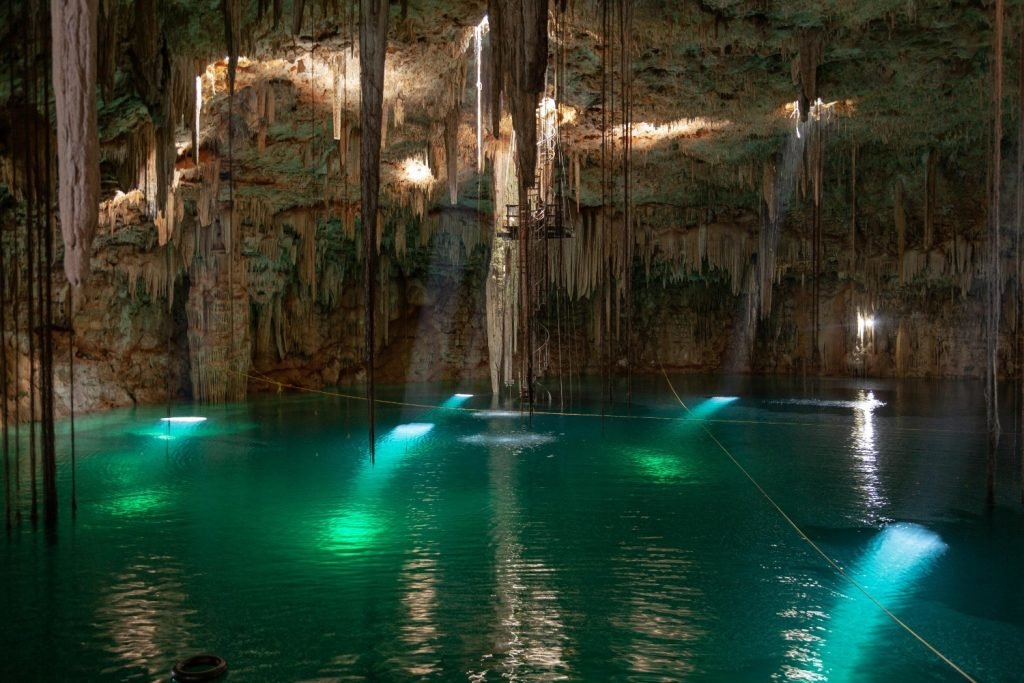
The Yucatan Peninsula harbors one of Earth’s most extraordinary natural treasures: cenotes. These mystical sinkholes, carved by millennia of groundwater erosion through limestone bedrock, served as sacred portals to Xibalba—the Maya underworld—for ancient civilizations. Today, they offer modern travelers an otherworldly experience that seamlessly combines adventure, spiritual connection, and breathtaking natural beauty.
With over 6,000 documented cenotes scattered across Mexico’s Yucatan Peninsula, choosing which ones to visit can feel overwhelming. This comprehensive guide will help you navigate the best cenotes in Mexico, understand what makes each unique, and plan your perfect cenote-hopping adventure with accurate, up-to-date pricing and insider tips gathered from recent travelers and local experts.
What Makes Cenotes So Special? Understanding Mexico’s Natural Wonder
Cenotes are far more than pristine swimming holes—they’re geological marvels that tell the story of our planet’s history. These natural formations developed when underground river systems carved vast caverns through the peninsula’s limestone foundation over millions of years. When sections of cavern roofs eventually collapsed under their own weight, they revealed crystal-clear freshwater pools connected to the world’s second-largest underwater cave system, stretching over 347 kilometers beneath the surface.
The ancient Maya civilization recognized these formations as sacred spaces where Chaac, the rain god, resided. Archaeological evidence supports their reverence—many cenotes still yield jade ornaments, intricately crafted pottery, copal incense, and even human remains from ritual sacrifices, providing invaluable insights into Maya religious practices and cosmology.
The Science Behind Cenote Perfection
What makes cenotes truly remarkable is their consistent environmental conditions. The water maintains a constant temperature between 24-26°C (75-79°F) year-round, creating ideal conditions for swimming, snorkeling, and cave diving regardless of season. The mineral-rich limestone acts as nature’s ultimate filtration system, producing water visibility that frequently exceeds 100 meters underwater—clearer than most swimming pools and rivaling some of the world’s best diving destinations.
The unique geology creates distinct types of cenotes:
- Open cenotes: Fully exposed to sunlight with wide, accessible surfaces
- Semi-open cenotes: Partially covered with dramatic light shafts penetrating through openings
- Cave cenotes: Completely enclosed underground chambers accessible through small openings
- Cavern cenotes: Large underground spaces with multiple chambers and passages
The Best Cenotes in Yucatan: Detailed Reviews with Updated 2025 Pricing
Cenote Dos Ojos (Two Eyes) – The Crown Jewel of Cave Diving
Location: Between Tulum and Playa del Carmen (Highway 307, km 124)
Updated Price: $400 MXN ($20 USD) for basic admission, or $800 MXN ($40 USD) for snorkel tour with Bat Cave access
Best For: Experienced swimmers, cave diving, underwater photography
Arguably the most famous cenote system in Mexico, Dos Ojos earned its evocative name from two circular pools connected by a 400-meter underwater passage that resembles a pair of eyes when viewed from above. The cenote system extends far beyond these two main pools, forming part of the extensive Sac Actun cave system—the longest underwater cave system in the world.
What Makes It Special: The cavern diving experience here is legendary among underwater enthusiasts. Cathedral-like chambers adorned with millennia-old stalactites and stalagmites create an almost supernatural atmosphere. The famous “Barbie Line” dive route showcases spectacular light beams (called “God rays”) that pierce through openings above, creating ethereal columns of illumination that dance through the crystal-clear water.
Insider Tips for the Perfect Visit:
- Arrive between 8-9 AM for optimal light penetration and significantly fewer crowds
- Snorkeling equipment rental costs $3 USD for mask and snorkel, $4 USD for fins—consider bringing your own for better fit and hygiene
- The cenote offers facilities including changing rooms, lockers (rental fee required), showers, and bathrooms
- Certified divers can explore the underwater cave system with proper guides
- Photography is permitted, but respect other visitors when capturing the perfect shot
Gran Cenote – The Perfect Introduction to Cenote Swimming
Location: 5 kilometers west of Tulum on the road to Coba
Updated Price: $500 MXN ($25-30 USD) – significantly increased from previous years
Best For: First-time cenote visitors, families, snorkeling beginners
This horseshoe-shaped cenote masterfully combines open-air swimming with cavern exploration, making it an ideal first cenote experience. The main pool features a beautiful wooden deck perfect for relaxation and gradual water entry, while the cave section reveals stunning limestone rock formations and colonies of harmless bats that have made the cavern their home.
Unique Features:
- Halocline Effect: Where fresh and saltwater meet, creating a surreal, dreamlike boundary where waters of different densities blur together
- Turtle Spotting: Home to several freshwater turtles that have become accustomed to human presence
- Stalactite Cathedral: The cave portion features impressive formations that have taken thousands of years to develop
Essential Information:
- Basic mask included with admission, but snorkel equipment costs extra
- Biodegradable sunscreen required—regular sunscreen is strictly prohibited to protect the delicate ecosystem
- Life jackets provided but optional for confident swimmers
- Lockers and towel rental available for additional fees
- Best lighting conditions occur between 10 AM – 2 PM
Cenote Azul – Family-Friendly Open-Air Paradise
Location: 15 minutes south of Playa del Carmen on Highway 307
Updated Price: $140 MXN ($7 USD)
Best For: Families with children, cliff jumping, recreational swimming
This stunning open cenote showcases the impossibly blue water that gives it its name, reaching impressive depths of 90 meters in the center while maintaining shallow areas perfect for children and nervous swimmers. The wide, open design eliminates any feelings of claustrophobia while still providing the magical cenote experience.
Adventure Activities:
- Multiple cliff jumping heights: Platforms at 3, 5, and 10 meters cater to different comfort levels
- Snorkeling opportunities: Despite being open-air, the cenote supports diverse freshwater fish populations
- Underground connections: Advanced cave divers can access connected caverns (certification required)
Facilities and Services:
- Comprehensive amenities including bathrooms, changing rooms, and lockers
- On-site snack bar and shop (though bringing your own food saves money)
- Fish feeding opportunities (fish food available for purchase)
- Ample parking and easy accessibility
Cenote Suytun – Instagram’s Darling with Dramatic Light Shows
Location: 8 kilometers southwest of Valladolid
Updated Price: $100 MXN ($5 USD)
Best For: Photography enthusiasts, unique Instagram content, spiritual experiences
This semi-open cenote has exploded in popularity thanks to its dramatically photogenic qualities. The cenote features a perfectly circular opening in the cavern ceiling where sunlight creates a magnificent beam that illuminates a small stone platform in the center of the water, creating nature’s own spotlight effect.
Photography Paradise:
- Golden Hour Magic: The famous light beam appears most dramatically between 11 AM and 1 PM
- Limited Platform Access: The central platform safely accommodates only 2-3 people at once
- Cathedral Atmosphere: Stalactites create a mystical, almost church-like atmosphere
- Reflection Opportunities: The still water creates perfect mirror reflections of the cavern ceiling
Practical Considerations:
- Arrive early to secure your spot—this cenote’s popularity means crowds, especially on weekends
- Stairs leading down to the water can be steep and slippery when wet
- Limited facilities compared to larger cenotes
- Cash only payment system
The Best Cenotes in Quintana Roo: Hidden Gems and Adventure Destinations
Cenote Angelita – The Underwater River Phenomenon
Location: 25 kilometers south of Tulum
Updated Price: $500 MXN ($25 USD) for diving experiences
Best For: Advanced certified divers, unique underwater phenomena, bucket-list experiences
Cenote Angelita offers one of the planet’s most surreal diving experiences that defies conventional underwater exploration. At approximately 30 meters depth, a hydrogen sulfide cloud creates the illusion of an actual underwater “river” flowing through the cenote, complete with fallen trees creating an eerie, otherworldly forest scene beneath the “water surface.”
The Science Behind the Magic:
- Halocline Layer: The dramatic visual effect results from different water densities creating a distinct boundary
- Underwater Forest: Fallen trees preserved in the anaerobic environment create ghostly formations
- Limited Visibility: The hydrogen sulfide layer creates a mysterious, fog-like underwater landscape
Diving Requirements and Safety:
- Advanced Open Water certification minimum required
- Guided dives only—no independent exploration permitted
- Specialized equipment recommended for sulfide layer penetration
- Maximum depth of 60 meters for experienced technical divers
Cenote Calavera (Temple of Doom) – Adventure Seekers’ Paradise
Location: 2.5 kilometers northeast of Tulum
Updated Price: $120 MXN ($6 USD)
Best For: Adventurous swimmers, unique entry experience, smaller crowds
Named for its distinctive skull-like entrance holes visible from above, this cenote demands a more adventurous spirit than typical tourist-friendly options. Entry requires either a thrilling 3-meter jump or navigating a steep, sometimes slippery ladder—but the reward is swimming in what feels like a private underground lagoon.
What Sets It Apart:
- Three Natural Windows: Multiple openings create dramatic, intersecting light shafts perfect for photography
- Intimate Atmosphere: Smaller size creates a more personal, spiritual connection with the environment
- Adventure Factor: The challenging entry filters out casual tourists, maintaining a more authentic experience
- Ancient Formations: Well-preserved stalactites and flowstone formations showcase geological artistry
Safety Considerations:
- Ladder entry available but requires caution when wet
- Jump entry not recommended for non-confident swimmers
- Limited rescue access due to entrance configuration
- Bring water shoes for rocky surfaces around entry points
Cenote Carwash (Aktun-Ha) – The Underwater Photography Haven
Location: Near Puerto Aventuras, accessible via dirt road
Updated Price: $200 MXN ($10 USD)
Best For: Underwater photography, marine life observation, peaceful swimming
Despite its decidedly unromantic name (earned when taxi drivers once used it as a car washing station), Cenote Carwash has evolved into a haven for underwater photographers and nature enthusiasts. The cenote’s unique connection to the ocean creates a rare brackish environment supporting an incredible diversity of both freshwater and marine species.
Biodiversity Hotspot:
- Unique Ecosystem: Brackish water supports species typically found separately in freshwater and marine environments
- Fish Diversity: Home to small tarpon, freshwater turtles, various tropical fish species, and occasionally small rays
- Macro Photography: Excellent opportunities for close-up photography of smaller aquatic life
- Pristine Conditions: Less touristy atmosphere maintains healthier ecosystem balance
Photographer’s Tips:
- Early morning visits offer best lighting and fish activity
- Underwater camera housing essential—phone cases rarely provide adequate protection
- Respect wildlife by maintaining appropriate distances
- Consider macro lens attachments for detailed shots of smaller species
Hidden Gems and Local Secrets: Off-the-Beaten-Path Cenotes
Cenote Manatí – The Local Favorite
Location: 9 kilometers north of Tulum via unpaved road
Updated Price: $150 MXN ($7.50 USD)
Best For: Avoiding crowds, authentic local experience, peaceful swimming
This river-like open-air cenote remains largely undiscovered by mainstream tourism, making it a favorite among locals and in-the-know travelers. Named after the manatees that once frequented the site, this cenote offers pristine conditions without the crowds that characterize more famous destinations.
What Makes It Special:
- Authentic Experience: Minimal commercialization maintains natural beauty and local atmosphere
- Unique Shape: River-like formation differs from typical circular cenote structure
- Crystal Clear Waters: Exceptional visibility due to limited tourist impact
- Peaceful Setting: Surrounded by unspoiled jungle, perfect for meditation and relaxation
Cenote Zacil-Ha – The Adventure Combo Experience
Location: Riviera Maya, accessible via marked jungle path
Updated Price: $120 MXN ($6 USD)
Best For: Groups with varied adventure levels, unique entry methods, comprehensive cenote experience
This remarkable cenote system combines three distinct experiences in one location: traditional open-air swimming, extensive cavern exploration, and an optional zip-line entry for thrill-seekers. The variety makes it perfect for travel groups with different comfort levels and adventure preferences.
Multi-Experience Features:
- Zip-line Entry: Optional adrenaline-pumping arrival method
- Multiple Pools: Connected cenote system offers varied swimming experiences
- Cave Exploration: Extensive underground passages for confident swimmers
- Family-Friendly Areas: Shallow sections suitable for children and beginning swimmers
Cenote Chikin Ha – The Natural Spa Experience
Location: 20 minutes south of Playa del Carmen
Updated Price: $200 MXN ($10 USD)
Best For: Unique natural treatments, multi-level exploration, diverse experiences
This expansive cenote system features multiple connected pools, each offering distinctly different experiences from beginner-friendly swimming areas to challenging advanced cave diving opportunities. The famous “Kissing Fish” pool provides a unique natural spa treatment where small, harmless fish gently nibble dead skin cells—nature’s own pedicure service.
Unique Offerings:
- Natural Fish Spa: Harmless fish provide gentle exfoliation treatment
- Multi-Level System: Different pools cater to various skill and comfort levels
- Cave Diving Opportunities: Advanced sections available for certified divers
- Pristine Water Quality: Exceptional clarity due to ongoing natural filtration
Comprehensive Practical Information and Pricing
Current Pricing Reality Check
Cenote prices have increased significantly in recent years, with some locations seeing dramatic jumps. Entry fees now typically range from 150-700 pesos ($7-35 USD) per person, with the most popular destinations commanding premium prices due to increased demand and improved facilities.
Updated Price Ranges by Cenote Type:
- Basic open cenotes: $100-200 MXN ($5-10 USD)
- Popular tourist cenotes: $300-500 MXN ($15-25 USD)
- Premium locations (Dos Ojos, Gran Cenote): $400-800 MXN ($20-40 USD)
- Cave diving experiences: $800-1,500 MXN ($40-75 USD)
- Guided tour packages: $1,000-2,000 MXN ($50-100 USD)
What’s Typically Included in Entry Fees:
- Basic life jacket rental (mandatory at most cenotes)
- Bathroom and changing room access
- Parking (though some premium locations charge separately)
- Basic safety briefing and rules explanation
- Access to designated swimming and snorkeling areas
Additional Costs to Budget For:
- Professional snorkeling gear rental: $100-150 MXN ($5-8 USD)
- Underwater camera rental: $150-300 MXN ($8-15 USD)
- Secure lockers: $50-100 MXN ($3-5 USD)
- Towel rental: $100 MXN ($5 USD)
- Food and beverages: On-site restaurants charge premium prices—consider bringing permitted snacks
- Transportation: Taxi rides from Tulum town range $150-400 MXN depending on distance
Payment and Practical Considerations:
- Cash Preferred: Most cenotes only accept cash payments, with credit cards rarely accepted
- Mexican Pesos Recommended: Some locations charge more for USD payments or don’t accept foreign currency
- ATM Availability: Limited ATM access near remote cenotes—withdraw cash in Tulum or Playa del Carmen
Essential Tips for Cenote Exploration: Maximizing Your Experience
Preparation Essentials for the Perfect Cenote Day
Environmental Protection Requirements:
- Reef-Safe Sunscreen Only: Biodegradable, chemical-free sunscreen protects cenote ecosystems—regular sunscreen kills beneficial microorganisms
- No Insect Repellent: Chemical repellents damage delicate aquatic ecosystems
- Natural Alternatives: Consider long-sleeve UV shirts and natural plant-based protection methods
Equipment Recommendations:
- Quality Water Shoes: Rocky entries and underwater surfaces can be sharp—invest in sturdy, quick-dry water shoes
- Waterproof Phone Protection: Test waterproof cases before entering—water damage isn’t covered by warranties
- Dry Bag: Protect valuables and extra clothing from splashes and humidity
- Cash in Small Bills: Exact change speeds up entry processes and tip transactions
Optimal Timing for Cenote Visits
Best Times of Day:
- Early Morning (8-10 AM): Optimal lighting conditions, minimal crowds, cooler temperatures, most active wildlife
- Late Afternoon (3-5 PM): Good lighting, moderate crowds, but some cenotes close early
- Avoid Midday: Harsh overhead lighting reduces underwater visibility and photographic opportunities
Seasonal Considerations:
- Dry Season (November-April): Lower water levels, clearer conditions, but higher tourist volume
- Rainy Season (May-October): Enhanced surrounding vegetation, fewer crowds, but occasional weather interruptions
- Weekend Avoidance: Mexican families frequently visit cenotes on weekends—plan weekday visits for more peaceful experiences
The Honest Reality: Managing Expectations for Modern Cenote Tourism
Commercialization and Changing Landscapes
The cenote experience has evolved significantly over the past decade. Popular destinations like Dos Ojos and Gran Cenote can feel more like aquatic theme parks during peak hours, with organized tour groups, long entry lines, and crowded conditions that can diminish the mystical, spiritual atmosphere that originally drew visitors to these sacred Maya sites.
Managing Crowds and Expectations:
- Peak Season Reality: December-April brings massive tour groups and cruise ship excursions
- Social Media Impact: Instagram-famous cenotes experience overwhelming visitor volume during prime photo hours
- Infrastructure Development: Increased facilities improve comfort but sometimes compromise natural beauty
- Price Inflation: Popular cenotes have raised prices dramatically to manage demand and fund conservation
Sustainable Tourism and Conservation Efforts
Positive Developments:
- Enhanced Conservation: Higher entry fees often fund ecosystem protection and archaeological preservation
- Improved Safety Standards: Professional lifeguards and safety equipment at major cenotes
- Educational Initiatives: Many cenotes now offer cultural and environmental education programs
- Local Economic Benefits: Tourism provides sustainable income for Maya communities
Ongoing Challenges:
- Overcrowding Impact: Heavy visitation stresses delicate ecosystems despite conservation efforts
- Infrastructure Balance: Balancing tourist amenities with environmental protection
- Cultural Sensitivity: Ensuring Maya spiritual significance remains respected amid commercial development
Final Recommendations: Creating Your Perfect Cenote Journey
For First-Time Cenote Visitors
Start with Gran Cenote or Cenote Azul for a comprehensive introduction that combines accessibility with authentic cenote beauty. These locations provide excellent facilities, safety measures, and the full range of cenote experiences without overwhelming novice swimmers.
For Adventure Enthusiasts
Progress to Dos Ojos for world-class cave diving opportunities, or explore Cenote Angelita for the remarkable underwater river phenomenon. These destinations reward more experienced swimmers with unforgettable experiences found nowhere else on Earth.
For Photographers and Content Creators
Cenote Suytun offers the most dramatic lighting effects, while the hidden gems like Cenote Manatí provide opportunities for original content away from over-photographed mainstream locations.
For Families with Children
Cenote Azul and the Homún region cenotes provide safe, shallow areas perfect for introducing children to cenote swimming while still offering the magical experience that makes these locations special.
For Spiritual and Cultural Seekers
Consider visiting lesser-known cenotes in Maya communities where you can learn about the cultural significance of these sacred spaces while contributing directly to local conservation efforts and community development.
Conclusion: Embracing the Magic While Respecting the Sacred
The cenotes of Mexico’s Yucatan Peninsula represent far more than stunning natural swimming pools—they’re windows into an underground world that has remained largely unchanged for thousands of years, where every visit connects modern travelers to the ancient Maya who considered these sacred portals to Xibalba itself.
While commercialization has changed the cenote experience, the fundamental magic remains uncompromised. The crystal-clear water still reflects stalactites that took millennia to form. Light beams still pierce cavern openings with ethereal beauty that stops visitors in their tracks. The same turtles that fascinated Maya priests still glide through these waters, and the geological processes that created these wonders continue their patient work.
The key to a transformative cenote experience lies in choosing destinations that match your interests and comfort level, visiting during optimal times for lighting and crowds, and approaching these spaces with the reverence they deserve as both natural marvels and sacred cultural sites.
Whether you seek adventure, relaxation, spiritual connection, or simply the joy of swimming in some of the world’s most beautiful natural pools, the cenotes of Mexico offer experiences found nowhere else on Earth. Plan thoughtfully, respect the environment and local communities, and prepare for encounters with natural beauty that will fundamentally change your understanding of what our planet can create given enough time and the right conditions.
Remember: these aren’t just swimming holes or Instagram backdrops—they’re sacred spaces where water, stone, and light create something approaching the divine, where every visitor becomes part of a story that began millions of years ago and continues with each respectful encounter between humanity and the natural world.