Why Every Croatia Itinerary Needs This UNESCO World Heritage Site (And How to Experience It Right)
Let me start with brutal honesty: Plitvice Lakes National Park will either be the absolute highlight of your Croatian adventure or a frustrating tourist trap experience – and the difference lies entirely in how you approach it. After visiting this UNESCO World Heritage site multiple times across different seasons, I’ve learned that most travelers make the same critical mistakes that turn this natural masterpiece into an overcrowded disappointment.
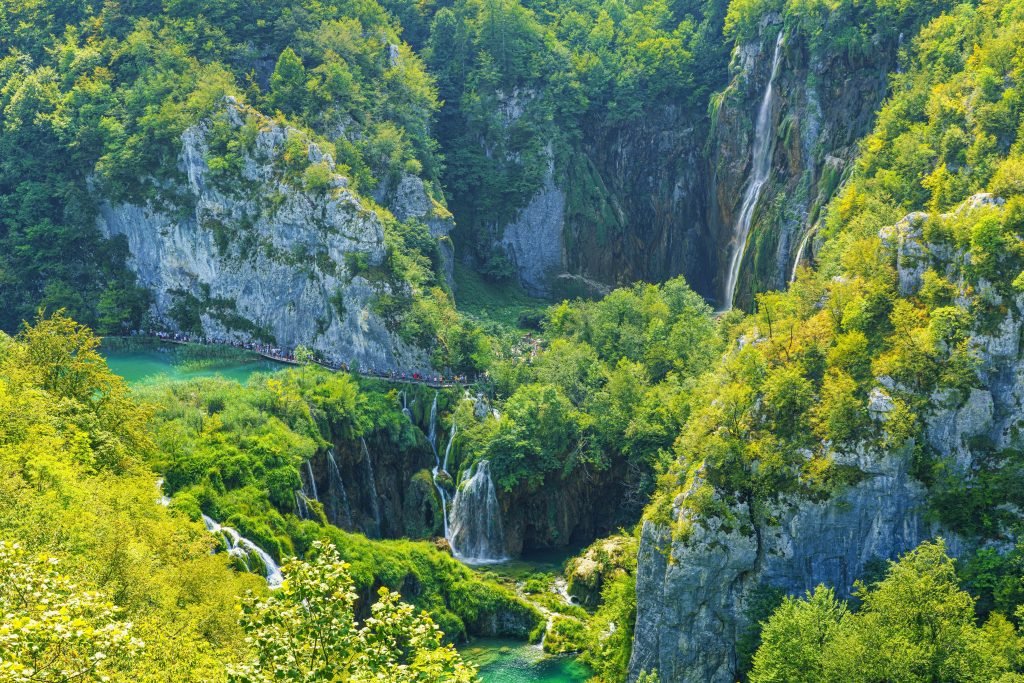
But when you get it right? Plitvice delivers nature experiences that rival anything in Europe. Picture this: you’re walking on wooden walkways suspended above crystal-clear turquoise pools, watching water cascade through 16 interconnected lakes in shades that seem too vivid to be real. The only sounds are birds calling from ancient forests and the hypnotic rush of 90+ waterfalls creating a natural symphony that makes you forget the outside world exists.
During my most recent spring visit on a partly cloudy morning, I watched the lakes transform from deep emerald to brilliant turquoise as clouds shifted overhead, creating a color palette that would make professional photographers weep. This isn’t just another national park – it’s Croatia’s natural crown jewel, and understanding how to experience it properly can transform your entire trip.
The Harsh Reality About Croatia’s Most Famous Natural Attraction
Here’s what most travel blogs won’t tell you: Plitvice can be absolutely miserable if you visit during peak summer without proper planning. I’ve seen families with young children trapped in massive crowds on narrow wooden walkways, unable to move forward or backward for 20-30 minutes at a time. I’ve witnessed photographers miss golden hour shots because they spent two hours waiting in entrance lines.
But I’ve also experienced the park in complete solitude during early morning hours, when mist rises from the lower lakes and you can hear individual water drops falling from moss-covered rocks. The difference isn’t luck – it’s strategy, timing, and choosing the right trails for your travel style.
Getting to Plitvice Lakes: The Journey That Becomes Part of the Adventure
Strategic Location: Croatia’s Natural Heart
Plitvice sits strategically in Croatia’s interior, making it an ideal stopover between coastal destinations and inland cultural sites. This central location means you can seamlessly integrate it into almost any Croatian itinerary, but the journey itself deserves careful planning.
Realistic Travel Times from Major Destinations:
The Scenic Route Reality Check
If you’re driving from northern destinations like Istria or Trieste, prepare for one of Croatia’s most beautiful – and challenging – drives. The route winds through the Lika region’s pristine countryside on roads that seem designed for leisurely exploration rather than efficient transportation.
These aren’t Italian autostradas or German autobahns. Croatian interior roads curve around hills, through dense forests, and past traditional villages where time moves differently. During my last drive from Motovun to Plitvice, I encountered a family of foxes crossing the road at sunset and watched enormous storks circling their massive nests perched impossibly on electrical poles.
Driving Strategy: Plan for 30-40% longer travel times than GPS estimates suggest. Bring snacks, ensure your fuel tank is full, and embrace the journey as part of your Croatian adventure rather than an obstacle to it. The roads are safe but demand attention – this isn’t highway driving.
Entrance Strategy: Choosing Your Plitvice Adventure
Entrance 1 vs. Entrance 2: More Than Just Parking Lots
Your entrance choice fundamentally shapes your Plitvice experience, yet most visitors choose randomly based on tour bus availability or GPS routing. Understanding the difference can make or break your day.
Entrance 1 (Lower Lakes Entrance):
Perfect for travelers seeking immediate gratification and dramatic photo opportunities. You’ll start with the park’s most spectacular waterfall – Veliki Slap (Great Waterfall) – a 78-meter cascade that creates its own weather system of mist and rainbows. The lower lakes feature more dramatic elevation changes, creating those iconic terraced pool photos that dominate Instagram feeds.
However, starting here means ending with the gentler upper lakes, which can feel anticlimactic after witnessing Veliki Slap’s power. This entrance also receives heavier tour bus traffic during mid-morning hours.
Entrance 2 (Upper Lakes Entrance):
Ideal for travelers who prefer building toward crescendo experiences. The upper lakes offer serene, mirror-like surfaces reflecting surrounding forests, creating perfect conditions for contemplative walks and wildlife observation. You’ll encounter fewer crowds initially, allowing for peaceful immersion in the park’s natural rhythms.
The journey culminates with the lower lakes’ dramatic waterfalls, creating natural storytelling arc from tranquility to excitement. This entrance provides better access to longer hiking trails and hidden viewpoints that most visitors never discover.
My Recommendation: Choose Entrance 2 for spring and autumn visits when you have flexibility to explore extensively. Choose Entrance 1 if visiting during peak summer with limited time, as it front-loads the most spectacular sights.
Plitvice Lakes Ticket Prices 2025: Budget Planning Reality
Understanding Croatia’s Dynamic Pricing System
Plitvice operates on sophisticated seasonal pricing that reflects demand and conservation needs. Unlike many European parks with flat annual rates, Croatia adjusts prices to manage visitor flow and protect this fragile ecosystem.
2025 Pricing Structure:
Hidden Costs Reality Check: Budget an additional €15-€20 per person for parking, refreshments, and potential souvenir purchases. The park’s internal restaurants charge premium prices (€12-€18 for basic meals), so consider packing snacks if traveling on a tight budget.
Money-Saving Strategy: Purchase tickets online 24-48 hours in advance for guaranteed entry and slight discounts. During peak season, same-day tickets often sell out by 10:00 AM, leaving disappointed visitors with wasted travel time.
Traveling to Plitvice with Dogs: A Pet Owner’s Honest Guide
What Travel Blogs Don’t Tell You About Pet-Friendly Plitvice
As a dog owner who’s navigated Plitvice’s wooden walkways with a four-legged companion, I can provide realistic expectations about this experience. Yes, dogs are officially allowed throughout the park, but the reality involves challenges most pet travel guides conveniently omit.
The Positive Reality:
Croatian national parks genuinely welcome well-behaved dogs, reflecting the country’s generally pet-friendly culture. The wooden walkways accommodate paws comfortably, and designated rest areas provide water access for thirsty hiking companions.
The park’s boat connections between upper and lower lakes allow dogs, though during peak season, you might wait for less crowded departures. Most park staff speak basic English and show patience with international visitors managing pets and navigation simultaneously.
The Challenging Reality:
Narrow walkways during crowded periods create stress for both dogs and owners. Your pet might feel anxious with strangers constantly passing in both directions, while you’ll feel pressure to maintain traffic flow while ensuring your dog’s safety and comfort.
Bathroom breaks require leash management on sometimes slippery wooden surfaces. Waste bags are your responsibility – bring extras, as park stores don’t always stock them. The internal shuttle trains can be stressful for noise-sensitive dogs.
Success Strategy: Visit during shoulder seasons (May or September) for better crowd management. Bring collapsible water bowls, extra waste bags, and consider shorter trail options to gauge your dog’s comfort level before committing to full-day hikes.
Trail Selection: Matching Routes to Your Travel Style
Decoding Plitvice’s Alphabetical Trail System
Plitvice’s trail labeling system (Routes A through K) seems designed to confuse rather than clarify. After hiking most combinations, I can translate this bureaucratic system into practical travel advice that matches your time, fitness level, and interests.
Trail A & B (2-3 Hours): The Tourist Express
These routes cover the greatest hits efficiently – perfect for travelers with limited time or mobility concerns. You’ll see the major waterfalls, ride the park boats, and capture essential photos without exhausting yourself.
However, you’ll share these trails with 80% of other visitors, creating traffic jams on wooden walkways during peak hours. Photo opportunities require patience and strategic positioning. These routes offer limited wilderness immersion – you’ll see Plitvice’s beauty but miss its tranquility.
Trail C & H (4-6 Hours): The Sweet Spot
These moderate routes balance accessibility with exploration, covering both upper and lower lakes while accessing less crowded viewpoints. You’ll experience the park’s diversity without requiring serious hiking experience.
Route H particularly rewards photographers with elevated perspectives of the lake cascades. The longer timeframe allows for rest stops, snack breaks, and spontaneous exploration of side trails that shorter routes skip entirely.
Trail K (6-8 Hours): The Complete Plitvice Experience
For serious nature lovers, Trail K offers the most comprehensive park exploration, accessing remote viewpoints and pristine forest sections where you might encounter deer, wild boar, or rare bird species.
This route requires good fitness, proper hiking boots, and full-day commitment. You’ll eat lunch inside the park and experience changing light conditions throughout the day. During my Trail K hike in September, I counted fewer than 50 other hikers across eight hours – a stark contrast to the hundreds crowding shorter routes.
Crowd Avoidance Strategy: Continue walking past obvious photo stops and tourist clusters. Most visitors stop at the first scenic viewpoint, but hiking an additional 10-15 minutes often reveals equally spectacular scenes in complete solitude.
Accommodation Strategy: Where to Sleep Near Plitvice Lakes
Local Stays vs. Border Adventures: The Bosnia Option
Accommodation around Plitvice presents interesting choices that extend beyond simple hotel selection. Your lodging decision impacts your budget, cultural experience, and daily logistics in ways that deserve careful consideration.
Traditional Plitvice Area Accommodation:
Small family-run guesthouses and hotels cluster around both park entrances, offering convenient access but limited character. Prices reflect tourist demand – expect €60-€120 per night for basic double rooms during high season. Book 2-3 months ahead for summer visits, as options fill quickly.
These accommodations understand international travelers’ needs: English-speaking staff, tourist information, and breakfast options suitable for early park entries. However, you’ll pay premium prices for basic amenities, and evening dining options remain limited to hotel restaurants or simple local taverns.
The Bosnia Alternative: Bihać Adventure
Here’s where travel gets interesting: the Bosnian town of Bihać sits just 45 minutes from Plitvice, offering significantly lower accommodation costs and authentic Balkan cultural experiences. Hotels and guesthouses charge €30-€50 per night for comparable quality, while restaurants serve generous portions at half Croatian prices.
Bihać itself deserves exploration – Ottoman architecture, traditional coffee culture, and the spectacular Una River with its own waterfalls and swimming opportunities. Adding Bosnia to your travel story creates unique experiences most Croatia visitors never discover.
The Border Reality Check:
However, crossing the Croatia-Bosnia border involves complications that can turn money-saving strategies into travel nightmares. Border queues during peak season regularly extend 1-2 hours each direction, particularly on weekends and holidays.
Border guards sometimes conduct thorough vehicle searches with no apparent logic, extending delays unpredictably. If traveling with pets, expect additional documentation checks and potential veterinary certificate reviews. I’ve experienced 45-minute waits for simple passport stamps and 3-hour delays for complete vehicle inspections on the same route.
Strategic Recommendation: The Bosnia option works best for extended stays (3+ nights) where daily border crossings aren’t required, or for budget travelers willing to sacrifice convenience for cultural adventure and significant cost savings.
Seasonal Timing: When Plitvice Reveals Its Different Personalities
Spring at Plitvice (April-June): Nature’s Awakening
Spring transforms Plitvice into a thundering spectacle of water power and emerging life. Snowmelt and seasonal rains create maximum water flow, making waterfalls roar with impressive volume while wildflowers carpet surrounding meadows in brilliant colors.
The park’s famous turquoise coloring reaches peak intensity during late spring, created by limestone minerals dissolved in high-volume water flow. Temperatures remain comfortable for hiking (15-22°C), while extended daylight hours provide flexibility for early morning or late afternoon visits.
Spring Strategy: Visit in May for optimal conditions – maximum water flow, comfortable temperatures, manageable crowds, and vibrant spring flowers. Pack layers for changeable weather and waterproof jackets for waterfall mist.
Summer at Plitvice (July-August): Beauty vs. Chaos
Summer delivers Plitvice’s most challenging visitor experience alongside its most reliable weather. Crowds can be genuinely oppressive – I’ve seen 45-minute waits just to walk across major wooden bridges, while popular viewpoints become impossible to photograph without strangers in every frame.
However, summer also offers the most predictable conditions for international travelers: warm temperatures, minimal rain risk, and full park accessibility with all boats and trains operating on maximum schedules.
Summer Survival Strategy: Arrive by 7:30 AM when gates open, or after 3:00 PM when tour buses depart. Choose longer trails (H or K) to escape crowds, bring substantial water supplies, and lower expectations for solitude while raising them for reliable weather and full park services.
Autumn at Plitvice (September-October): The Perfect Balance
Autumn might offer Plitvice’s ideal visiting conditions – comfortable temperatures, reduced crowds, spectacular foliage, and still-substantial water flow from summer’s end. The beech and maple forests surrounding the lakes explode in golden and crimson colors that reflect magnificently in the calm lake surfaces.
Wildlife becomes more active as summer heat subsides, offering better opportunities for bird watching and possible deer sightings. Photography conditions excel with softer light and dramatic color contrasts between autumn foliage and turquoise waters.
Winter at Plitvice (December-February): A Frozen Fairytale
Winter transforms Plitvice into a completely different destination – a crystalline wonderland where waterfalls freeze into massive ice sculptures and lakes develop thin ice layers that create mirror-perfect reflections of snow-covered forests.
However, winter visits require serious preparation. Many trails close for safety reasons, boat services suspend operation, and weather can change rapidly from sunny to stormy. Proper winter hiking gear becomes essential, while daylight hours limit exploration time significantly.
Winter Magic: For photographers and serious nature lovers, winter Plitvice offers unparalleled beauty and complete solitude. The park’s intrinsic beauty shines without summer’s distractions, creating intimate nature experiences impossible during busier seasons.
Practical Plitvice Survival Guide: What They Don’t Tell You
The Swimming Reality (And Where to Go Instead)
One of travelers’ biggest disappointments involves discovering Plitvice’s strict no-swimming policy after seeing those crystal-clear turquoise pools. This isn’t arbitrary bureaucracy – swimming would destroy the delicate limestone formations that create the lakes’ unique beauty and disrupt ecosystems that took millennia to develop.
However, Croatian rivers and lakes offer spectacular swimming alternatives just hours from Plitvice:
Krka National Park: 2.5 hours south, allows swimming below certain waterfalls in designated areas. The Skradinski Buk waterfall complex provides natural swimming pools with similar geological formations but sturdier foundations that can handle human activity.
Una River (Bosnia): 45 minutes from Plitvice, offers pristine river swimming with its own waterfall systems. The water maintains refreshing temperatures even during summer heat waves.
Food Strategy: Avoiding Tourist Trap Pricing
Park restaurants serve overpriced, mediocre food targeting captive audiences. A basic sandwich costs €8-€12, while hot meals reach €15-€20 for cafeteria-quality preparations. However, Croatian regulations prohibit outside food sales within the park, creating artificial monopoly pricing.
Budget Strategy: Pack substantial snacks and drinks before entering. Designated picnic areas throughout the park provide scenic lunch spots with far better value than internal restaurants. If staying overnight nearby, eat dinner at local taverns outside the park for authentic Croatian cuisine at reasonable prices.
Photography Tips: Capturing Plitvice’s Magic
The park’s wooden walkways create unique photography challenges and opportunities. Crowds often make tripod use impractical, while the walkways’ movement can create stability issues for longer exposures needed for waterfall shots.
Golden Hour Strategy: Arrive early or stay late for optimal lighting conditions. The park’s forest canopy creates dramatic light filtering throughout the day, but early morning and late afternoon offer the most dramatic color contrasts.
Weather Advantage: Partly cloudy days often produce better photography than brilliant sunshine, as clouds create dynamic lighting conditions that make the lakes’ colors shift dramatically throughout your visit.
Is Plitvice Lakes Worth the Effort? An Honest Assessment
When Plitvice Exceeds Expectations
Plitvice delivers extraordinary experiences when approached with realistic expectations and proper planning. If you love nature photography, enjoy moderate hiking, and appreciate pristine wilderness, this park ranks among Europe’s most spectacular natural destinations.
The park genuinely preserves ecosystems and geological formations that exist nowhere else in Europe. The wooden walkway system, while sometimes crowded, provides intimate access to natural wonders that would otherwise require technical climbing or dangerous scrambling.
For families with children old enough for 3-4 hour hikes, Plitvice creates lasting memories and nature appreciation that theme parks can’t match. The educational value combines with genuine adventure in ways that make the logistical challenges worthwhile.
When Plitvice Disappoints
Travelers seeking quick, Instagram-worthy photo stops without hiking commitment often leave frustrated. The park demands time, physical effort, and patience – qualities that don’t align with rushed itineraries or comfort-focused travel styles.
If your Croatia trip prioritizes beaches, historical cities, or culinary experiences, Plitvice’s inland location and nature focus might feel like an expensive detour from your primary interests.
Budget travelers should understand that between park entry, parking, food, and accommodation, a Plitvice visit easily costs €100+ per person for a proper experience – potentially more than some travelers’ entire daily budgets.
The Verdict: Strategic Integration
Plitvice works best when integrated thoughtfully into broader Croatian itineraries rather than treated as a standalone destination. Combining it with Zagreb cultural exploration, Istrian hill towns, or northern Adriatic coastal destinations creates logical travel flow while justifying the inland detour.
Plan 2-3 days minimum – one day for the park itself, plus travel and recovery time. This pacing allows for proper exploration without feeling rushed, while providing flexibility for weather-dependent timing.
Most importantly, approach Plitvice as a nature immersion experience rather than a tourist attraction. Bring hiking mentality, patience for crowds during peak season, and genuine curiosity about Croatia’s natural heritage. When you align expectations with reality, Plitvice becomes the highlight it deserves to be rather than a beautiful disappointment.