Last updated: August 2025 | 18-minute read
After 6 days exploring Copenhagen’s most famous sights, I discovered that half the “must-see” attractions aren’t worth the hype – while three unexpected places completely changed my perspective on Danish culture. Here’s my brutally honest ranking of what’s actually worth your time and money.
Why I Almost Skipped Copenhagen’s Tourist Attractions (And Why I’m Glad I Didn’t)
Let me start with a confession: I’m usually an anti-tourist-trap traveler.
You know the type – I avoid anything with crowds, skip the “iconic” photo spots, and roll my eyes at guidebook recommendations. But Copenhagen forced me to reconsider this snobbery, because some of its most famous attractions genuinely deserve their reputation.
Others? Well, let’s just say my frozen fingers and €25 poorer wallet taught me some expensive lessons about what’s actually worth prioritizing.
After six days systematically visiting every major Copenhagen attraction (yes, even in brutal January weather), I’ve ranked them by genuine experience value – not Instagram potential. Here’s what I discovered.
Tivoli Gardens: The Attraction That Made Me Believe in Magic Again
My Expectations: Overpriced theme park trading on nostalgic reputation
Reality: Pure enchantment that justifies every criticism about tourist traps
The Copenhagen Card saved me €23 here – but honestly, I would have paid full price after experiencing what Tivoli delivers.
Winter at Tivoli: A Fairy Tale You Can Actually Walk Through
Visiting Tivoli in January felt like stepping inside a snow globe designed by Hans Christian Andersen himself. The park transforms into something that transcends typical amusement park expectations – it becomes a living Christmas card with substance.
What Actually Happens: Over 100,000 twinkling lights create pathways through gardens where Victorian-era rides operate alongside modern attractions. The scent of roasted almonds and gløgg (Danish mulled wine) drifts through crisp air while live jazz performances echo from heated pavilions.
The Experience That Converted Me: Standing beside the lake at dusk, watching the light show reflect off the water while couples shared steaming cups of gløgg and children fed ducks despite the cold. It wasn’t just pretty – it felt genuinely magical in a way that’s increasingly rare.
Practical Magic: Arrive at 4 PM for the best lighting conditions. The park’s restaurants range from casual (try the traditional Danish hot dogs) to exceptional (Nimb Brasserie offers Michelin-quality dining). Don’t miss the Friday night jazz concerts in the Tivoli Concert Hall.
Real Cost: €23 entry, but included free with Copenhagen Card. Budget an additional €30-50 for food and drinks to fully experience the atmosphere.
Nyhavn: Instagram vs. Reality Check
My Expectations: Overpriced tourist magnet with pretty colors
Reality: Complicated relationship with authenticity – stunning but strategically expensive
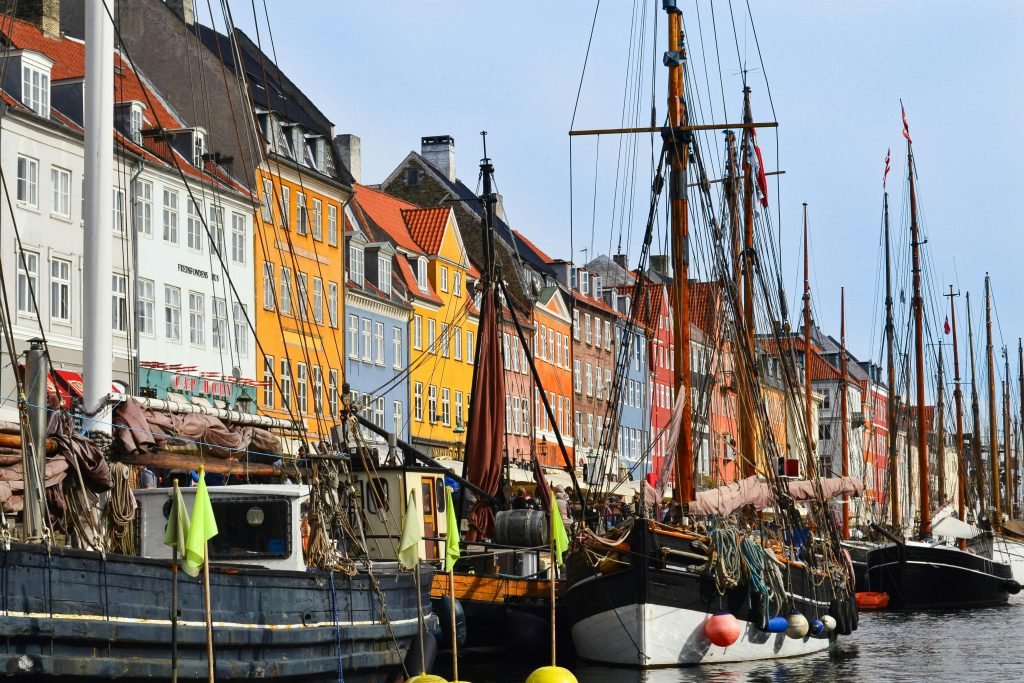
Nyhavn delivers exactly what every Copenhagen photograph promises: impossibly colorful 17th-century buildings reflected in canal water, with historic sailing ships providing perfect maritime atmosphere. It’s genuinely beautiful.
But here’s what the photos don’t show: A single beer costs €12. A basic lunch runs €25-35. The “authentic” Danish restaurants serve perfectly adequate food at premium prices while locals eat better meals elsewhere for half the cost.
The Nyhavn Strategy That Actually Works
Don’t: Eat your main meals here
Do: Buy coffee or gløgg from a canal-side café and enjoy the atmosphere without the financial trauma
My Compromise: I spent €8 on excellent coffee at Café Nyhavn and sat waterside for an hour, watching the interplay of light on water and architecture. Worth every øre for the experience; would have been disappointing at restaurant prices.
Photography Tip: Best light occurs 30 minutes before sunset. The crowds thin dramatically after 6 PM in winter, making it perfect for photos and peaceful contemplation.
The Little Mermaid: The Pilgrimage That Tests Your Commitment
My Expectations: Tiny disappointing statue everyone complains about
Reality: A meditation on tourism, expectations, and what we actually seek when traveling
Let’s address the elephant in the harbor: The Little Mermaid statue is small. Genuinely small. Like, “wait, that’s it?” small.
But here’s what I discovered during my chilly 20-minute walk to reach her: the journey matters more than the destination.
The Real Little Mermaid Experience
The Walk: Langelinie Promenade in winter is windswept, dramatic, and surprisingly beautiful. You’ll encounter fewer tourists and more locals walking dogs, jogging, or simply enjoying the harbor views.
The Statue: Yes, she’s modest. But standing there, watching other visitors take their obligatory photos while seagulls circle overhead and waves lap against the rocks, I understood something important about travel pilgrimage.
The Revelation: Sometimes we visit places not for what they are, but for what they represent. The Little Mermaid embodies Denmark’s fairy-tale heritage and maritime culture in a single bronze figure. Her modesty feels appropriately Danish – no grandiose monuments here.
Practical Advice: Combine this visit with Kastellet (the star-shaped fortress nearby) and Gefion Fountain for a proper harbor walk. Dress warmly – the wind off the water is fierce.
Rosenborg Castle: Where Danish Royal History Lives and Breathes
My Expectations: Standard European castle experience
Reality: Intimate royal history that feels genuinely personal rather than grandiose
Rosenborg Castle surprised me by feeling lived-in rather than museumified. Unlike Versailles or other royal palaces that overwhelm with scale, Rosenborg invites you into rooms where you can imagine actual people living, arguing, and making decisions that shaped Denmark.
The Crown Jewels: Worth the Hype
What You’ll See: Denmark’s crown jewels aren’t just displayed – they’re contextualized within the rooms where they were actually used. The Christian IV Crown, with its table-cut diamonds and baroque pearls, sits in a chamber where you can envision royal ceremonies taking place.
The Unexpected Highlight: Christian IV’s bathroom. Seriously. This 17th-century royal toilet, complete with velvet seat and silver chamber pot, humanizes royal life in a way that grand throne rooms never could.
King’s Garden Bonus: The surrounding Kongens Have provides perfect winter walking, with geometric pathways and bare trees creating dramatic silhouettes against gray skies.
Budget Reality: €15 entry (free with Copenhagen Card). Allow 2-3 hours for castle and gardens.
Christiansborg Palace: Democracy Meets Monarchy
My Expectations: Boring government building with some royal rooms
Reality: Fascinating intersection of Denmark’s political and royal history
Christiansborg offers something unique: the chance to see Denmark’s working democracy alongside royal ceremonial spaces. Standing in the Parliament chamber where Danish laws are debated, then walking into reception rooms where Queen Margrethe II entertains foreign dignitaries, provides fascinating insight into modern constitutional monarchy.
The Tower: Copenhagen’s Best Viewpoint
The View: At 106 meters, Christiansborg Tower offers Copenhagen’s highest public viewing point. On clear days, you can see across to Sweden and understand the city’s geography – how canals connect, where neighborhoods blend, and why Copenhagen developed as it did.
Winter Advantage: Fewer crowds, dramatic cloud formations, and crisp air that makes distant landmarks surprisingly visible.
The Ruins: Beneath the palace lie remnants of the original 12th-century castle. Walking through these medieval foundations while overhead members of Parliament debate modern legislation creates a powerful historical perspective.
Copenhagen Zoo: Winter Wildlife Viewing Done Right
My Expectations: Standard zoo struggling through winter weather
Reality: Thoughtfully designed animal habitats that actually improve in cold weather
Copenhagen Zoo in winter reveals something remarkable: many animals are more active in cold weather, and indoor viewing areas become cozy refuges that enhance rather than compromise the experience.
Norman Foster’s Elephant House: Architecture as Animal Welfare
The cylindrical Elephant House, designed by renowned architect Norman Foster, isn’t just visually striking – it represents a revolution in zoo design prioritizing animal welfare over human convenience.
The Experience: Watching Asian elephants navigate their spacious, climate-controlled environment while snow falls outside creates an almost surreal juxtaposition. The building’s curved glass walls provide intimate viewing angles impossible in traditional zoo enclosures.
Arctic Animals in Their Element: Polar bears, seals, and penguins transform in winter conditions. Seeing polar bears dive into icy water with genuine enthusiasm rather than lethargic summer pacing reminded me why some animals should only be observed in appropriate climates.
Experimentarium: Where Science Becomes Playground
My Expectations: Children’s museum with basic science experiments
Reality: Sophisticated interactive science center that challenges adults while entertaining children
Located in Hellerup (20 minutes north of city center), Experimentarium proved that Denmark’s reputation for innovative design extends to educational spaces.
The Exhibits That Stopped Me in My Tracks
Tunnel of Senses: Complete sensory deprivation followed by overwhelming stimulation teaches you about perception in ways no textbook could accomplish.
Water Exhibition: Interactive water tables demonstrating fluid dynamics, dam engineering, and hydraulic power through hands-on experimentation.
The Labyrinth of Light: Mirrors, lasers, and optical illusions that challenge your understanding of physics while creating Instagram-worthy moments.
Family Dynamics: Watching Danish families engage with exhibits revealed cultural attitudes toward education – learning through play is taken seriously here, with parents genuinely participating rather than supervising.
Statens Museum for Kunst: Denmark’s Artistic Soul
My Expectations: Standard national gallery with predictable collections
Reality: Comprehensive journey through Danish artistic identity plus world-class international works
The National Gallery houses Denmark’s artistic conversation with itself and the world. The Danish Golden Age paintings reveal a nation discovering its cultural identity, while contemporary works show ongoing dialogue with global artistic movements.
The Danish Golden Age: A Cultural Awakening
What You’ll Discover: 19th-century Danish artists capturing their homeland’s light, landscapes, and emerging national character. These aren’t just pretty paintings – they document Denmark’s cultural awakening during a period of political upheaval.
Skagen Painters: Works by artists who captured Denmark’s unique northern light in fishing villages that became artistic colonies. Their paintings feel fresh and immediate even today.
Modern Collections: Picasso, Matisse, and contemporary Nordic artists create dialogue between Danish artistic tradition and international modernism.
The Museum Café: Exceptional coffee and pastries with views over Østre Anlæg park – perfect for processing what you’ve seen.
Christiania: Europe’s Most Controversial Neighborhood
My Expectations: Hippie commune turned tourist curiosity
Reality: Complex social experiment that challenges assumptions about urban living
Important Disclaimer: Christiania remains controversial and potentially unsafe for casual tourists. Parts of the community, particularly Pusher Street, involve illegal drug sales. This isn’t a family destination.
What Christiania Actually Represents
Visiting Christiania requires understanding its history as a 1970s social experiment in alternative living. The colorful murals, self-built architecture, and community workshops represent genuine attempts at creating alternative urban spaces.
The Art: Street art here isn’t vandalism – it’s community expression documenting decades of social experimentation.
The Architecture: Self-built homes and community spaces demonstrate resourcefulness and creativity, though building quality varies dramatically.
The Reality Check: Christiania struggles with the tension between alternative ideals and tourist commodification. Some areas feel authentic; others feel performative.
Visiting Safely: Daylight hours only, stay on main paths, respect photography restrictions, and understand that you’re visiting someone’s neighborhood, not a theme park.
Hidden Gems That Outshined the Famous Attractions
1. Assistens Cemetery: Copenhagen’s Père Lachaise
This isn’t just a cemetery – it’s Copenhagen’s cultural heart disguised as a burial ground. Hans Christian Andersen, Søren Kierkegaard, and Niels Bohr rest here among paths that feel more like park walkways than memorial grounds.
Winter Magic: Snow-covered headstones and bare trees create dramatic beauty while providing surprising solitude in the city center.
2. The Round Tower (Rundetårn): 400 Years of Copenhagen Views
Built in 1642, this astronomical observatory offers intimate city views accessed via a unique spiral ramp rather than stairs. King Christian IV designed it for horse and carriage access to the top.
The Experience: Walking the spiral ramp while pondering centuries of visitors creates meditative anticipation for the panoramic views awaiting above.
3. Kastellet: Star-Shaped Fortress of Serenity
This 17th-century fortress operates as Copenhagen’s most peaceful central park. The star-shaped fortification design creates intimate courtyards and defensive positions that now serve as perfect picnic spots.
Local Secret: Early morning walks reveal joggers, dog walkers, and commuters using the fortress as a shortcut, providing glimpses of authentic Copenhagen daily life.
Transportation Truths: Getting Between Attractions
Walking: Copenhagen’s compact size makes walking pleasant between central attractions, but winter conditions require proper footwear and route planning.
Metro: Fully automated, punctual, and warm. Essential for reaching Copenhagen Zoo and Experimentarium.
Buses: Extensive network but less intuitive for tourists than metro.
Cycling: Not recommended in winter weather despite Copenhagen’s bike-friendly reputation.
The Honest Bottom Line
Copenhagen’s attractions succeed when they embrace Danish values: intimacy over grandiosity, thoughtfulness over spectacle, and genuine experience over manufactured emotion. The city rewards travelers who appreciate craft, design, and cultural authenticity.
Budget Reality: Plan €150-200 per day for comfortable attraction visiting including meals, transport, and admission fees. The Copenhagen Card reduces this by approximately 30% while adding spontaneity.
Time Investment: Allow 6-8 days to properly experience Copenhagen’s top attractions without rushing. Winter weather requires more indoor breaks and slower pace.
Cultural Preparation: Understanding Danish concepts like hygge, lagom (balance), and design philosophy enhances every attraction visit.
Copenhagen doesn’t overwhelm you with attractions – it invites you to experience each thoughtfully. After six days of systematic exploration, I understand why Danes consistently rank among the world’s happiest populations. Their approach to culture, history, and public space prioritizes human experience over impressive statistics.
Planning your Copenhagen cultural tour? Start with Tivoli and Rosenborg to understand Danish magic and history, then branch out based on your interests. Most importantly, embrace the Danish pace – rushing through Copenhagen misses the entire point.