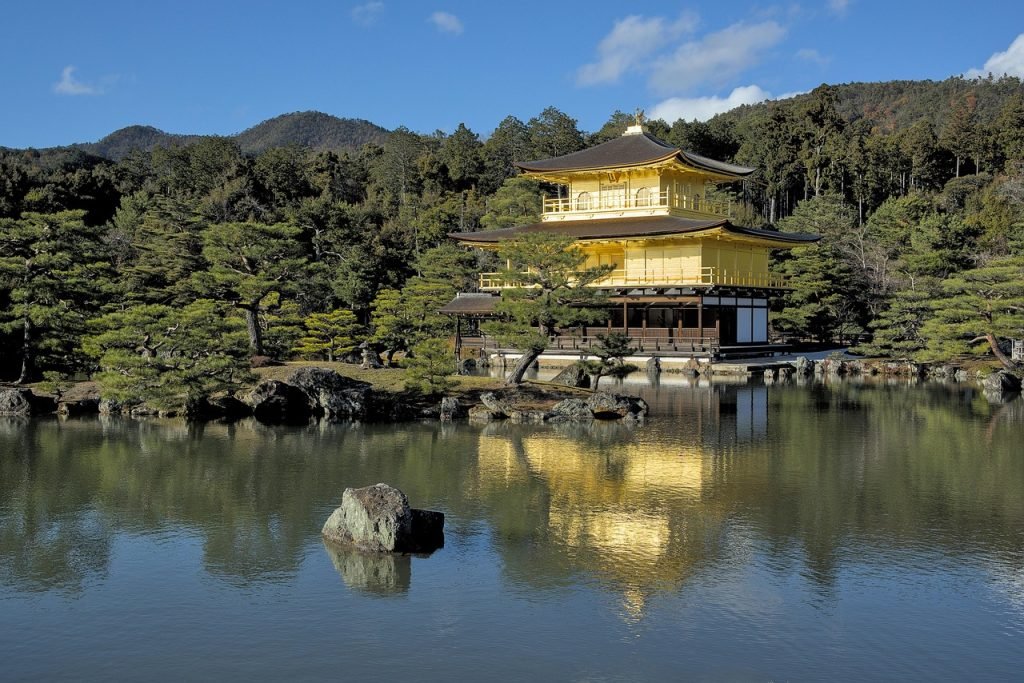
Japan is a country that offers something extraordinary in every season. Whether you dream of cherry blossoms painting the streets pink, vibrant autumn leaves lighting up ancient temples, dazzling winter illuminations, or lively summer festivals, Japan’s charm never fades. The truth is: there’s no bad time to visit Japan—only different experiences waiting for you.
This guide will help you understand what to expect throughout the year, including weather, crowds, costs, and cultural highlights, so you can pick the perfect time for your trip. Plus, you’ll find a handy table comparing rain days, cost levels, and crowd sizes for major destinations month by month.
Spring (March to May): The Iconic Cherry Blossom Season
Spring is undoubtedly Japan’s most famous season. The sakura (cherry blossoms) bloom in a breathtaking spectacle that draws visitors from all over the world. The season typically begins in Okinawa in January and gradually moves northward, reaching Tokyo and Kyoto around late March to early April.
- What to expect: Mild temperatures, blooming flowers, and festive hanami (flower viewing) parties in parks.
- Highlights: Cherry blossom festivals, traditional tea ceremonies under blooming trees, and vibrant cityscapes softened by petals.
- Crowds & Costs: This is peak tourist season, so expect large crowds and higher prices, especially around the cherry blossom peak.
- Top Festivals: Takayama Spring Festival (April), Sanja Matsuri in Tokyo (May).
Tip: Book accommodations and transportation well in advance if you plan to visit during sakura season.
Summer (June to August): Festivals, Mountains, and Beaches
Summer in Japan can be hot and humid, especially in cities like Tokyo and Kyoto. June and early July bring the rainy season (tsuyu), with frequent showers and high humidity.
- What to expect: Warm weather, occasional rain, and lush green landscapes.
- Highlights: Spectacular festivals like Gion Matsuri in Kyoto and Tenjin Matsuri in Osaka, mountain hiking in the Japanese Alps, and beach escapes in Okinawa.
- Crowds & Costs: Festivals attract many visitors, but outside these events, summer can be less crowded than spring. Costs tend to be moderate to high.
- Travel Tip: Prepare for heat and humidity; stay hydrated and wear breathable clothing.
Autumn (September to November): A Symphony of Colors
Autumn rivals spring in popularity thanks to its koyo (autumn foliage), when maple and ginkgo trees turn brilliant shades of red, orange, and gold.
- What to expect: Crisp, comfortable weather and stunning natural scenery.
- Highlights: Visiting temples framed by fiery leaves, enjoying seasonal foods like chestnuts and mushrooms, and attending cultural festivals.
- Crowds & Costs: Generally less crowded than spring but still popular, especially in Kyoto and Nikko. Prices are moderate.
- Top Festivals: Fujiwara Matsuri in Nara, Tokyo International Film Festival.
Winter (December to February): Snow, Hot Springs, and Illuminations
Winter varies widely across Japan. Northern areas like Hokkaido become winter wonderlands with heavy snow, while southern cities enjoy mild, dry winters.
- What to expect: Cold weather, especially in the north; snow sports in Hokkaido and the Japanese Alps.
- Highlights: Sapporo Snow Festival, relaxing in onsen (hot springs), and dazzling winter light displays in cities.
- Crowds & Costs: Off-peak for most destinations except New Year holidays; lower prices and fewer tourists.
- Travel Tip: Pack warm clothing and consider visiting hot springs to warm up.
Beware of Golden Week and Other Holidays
Japan’s Golden Week (late April to early May) is a cluster of national holidays when locals travel extensively. Expect crowded trains, busy attractions, and higher prices. Similarly, Obon in mid-August is a traditional holiday period with increased domestic travel.
Handy Table: Rain Days, Cost Index, and Crowd Index by Month and Destination
| City / Metric | Jan | Feb | Mar | Apr | May | Jun | Jul | Aug | Sep | Oct | Nov | Dec |
|---|---|---|---|---|---|---|---|---|---|---|---|---|
| TOKYO | ||||||||||||
| Rainy Days | 6 | 7 | 10 | 10 | 11 | 12 | 10 | 8 | 11 | 8 | 6 | 5 |
| Cost | Low | Low | Mid | High | High | Mid | High | High | Mid | Mid | High | Mid |
| Crowds | Mid | Mid | High | High | High | Mid | High | High | Mid | High | High | Mid |
| KYOTO | ||||||||||||
| Rainy Days | 7 | 8 | 11 | 11 | 12 | 13 | 11 | 9 | 12 | 9 | 7 | 6 |
| Cost | Low | Low | Mid | High | High | Mid | High | High | Mid | Mid | High | Low |
| Crowds | Low | Low | High | High | High | Mid | High | High | Mid | High | High | Low |
| NARA | ||||||||||||
| Rainy Days | 7 | 8 | 11 | 11 | 12 | 13 | 11 | 9 | 12 | 9 | 7 | 6 |
| Cost | Low | Low | Mid | High | Mid | Mid | Mid | Mid | Low | Mid | Mid | Low |
| Crowds | Low | Low | High | High | Mid | Mid | Mid | Mid | Low | High | Mid | Low |
| OSAKA | ||||||||||||
| Rainy Days | 7 | 7 | 11 | 10 | 11 | 12 | 10 | 8 | 11 | 8 | 6 | 5 |
| Cost | Low | Low | Mid | High | High | Mid | High | High | Mid | Mid | Mid | Low |
| Crowds | Mid | Mid | High | High | High | Mid | High | High | Mid | Mid | Mid | Low |
| HIROSHIMA | ||||||||||||
| Rainy Days | 8 | 9 | 12 | 11 | 12 | 14 | 12 | 10 | 13 | 9 | 7 | 6 |
| Cost | Low | Low | Mid | Mid | Mid | Mid | Mid | Mid | Low | Low | Low | Low |
| Crowds | Low | Low | High | Mid | Mid | Low | Mid | Mid | Low | Mid | Mid | Low |
| SAPPORO | ||||||||||||
| Rainy Days | 11 | 10 | 10 | 8 | 9 | 10 | 9 | 10 | 11 | 10 | 10 | 12 |
| Cost | Low | Low | Low | Mid | Mid | Mid | High | High | Mid | Mid | Low | Low |
| Crowds | Low | Low | Low | High | Mid | Low | High | High | Mid | High | Low | Low |
Typhoon Season
Japan’s typhoon season typically runs from May through October, with the peak period occurring in August and September. During this time, powerful tropical storms—called taifū (台風) in Japanese—form over the Pacific Ocean and occasionally make landfall in Japan, bringing heavy rain, strong winds, flooding, and sometimes landslides. While typhoons can disrupt travel plans, Japan is very well prepared to handle these storms, and many travelers visit successfully during this season with some precautions.
When and Where Typhoons Are Most Common
- Northern Japan: Areas like Hokkaido rarely experience typhoons and tend to have milder weather during this period.
- Peak months: August and September see the highest frequency and intensity of typhoons.
- Regions most affected: The southern islands such as Okinawa and Kyushu experience the most typhoons, often 6–7 per year.
- Mainland Japan: Cities like Tokyo, Kyoto, and Osaka can experience heavy rain and strong winds when typhoons pass but are less frequently hit directly.
Final Thoughts: Japan is Always Worth Visiting
Japan’s allure transcends seasons, offering a kaleidoscope of experiences that captivate travelers no matter when they visit. From the ephemeral beauty of cherry blossoms in spring to the fiery tapestry of autumn leaves, from the festive energy of summer matsuri to the serene snow-covered landscapes of winter, each season reveals a different facet of this enchanting country.
Choosing the best time to visit Japan is a deeply personal decision shaped by your interests, tolerance for crowds, and weather preferences. If you crave vibrant festivals and iconic blooms, spring and summer will fill your itinerary with unforgettable moments. For those seeking tranquility and breathtaking natural colors, autumn’s crisp air and golden hues provide the perfect backdrop. Winter invites you to indulge in soothing hot springs, world-class skiing, and dazzling illuminations, often with fewer tourists and better deals.
Beyond weather and crowds, Japan’s rich cultural calendar, efficient transport system, and welcoming spirit ensure that every visit is rewarding. Even during the rainy or typhoon seasons, the country’s resilience and your flexible planning can turn potential challenges into unique adventures.
Use the detailed insights and the comparative table in this guide to tailor your journey, balancing your dream experiences with practical considerations like cost and crowd levels. Japan is a destination that invites curiosity, patience, and openness—and in return, it offers memories that last a lifetime.
Whether you’re a first-time visitor or a seasoned traveler, Japan’s timeless charm and dynamic spirit promise an extraordinary adventure whenever you choose to go.