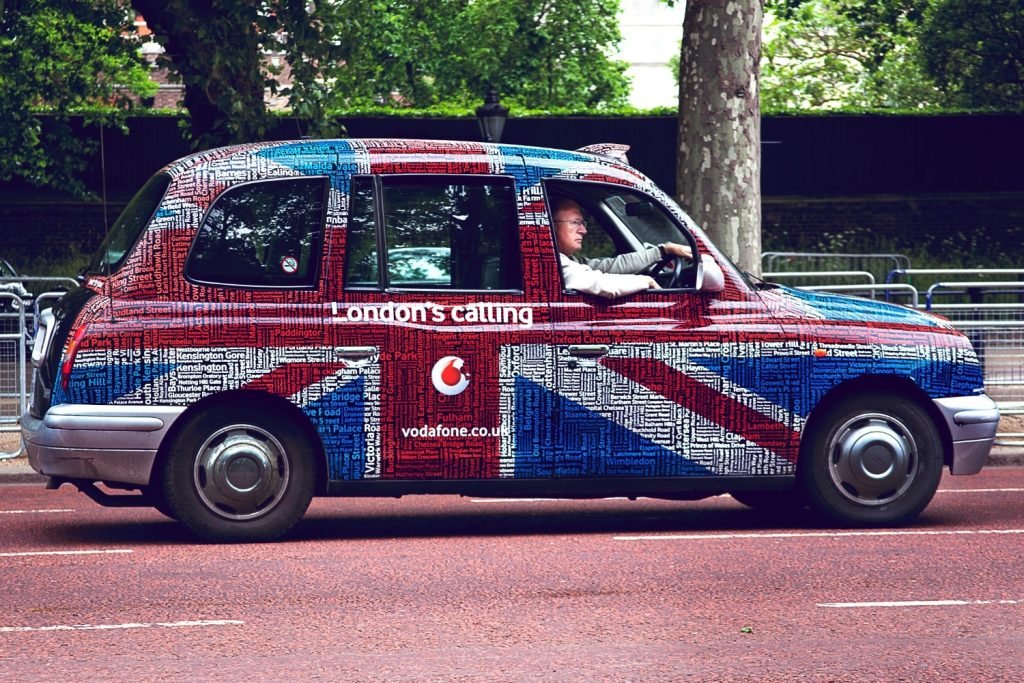
Planning your first trip to London? Or returning after years away? You’re about to experience one of the world’s most captivating cities – a sprawling metropolis where centuries-old history seamlessly blends with cutting-edge modernity. But let’s be honest: London can feel absolutely overwhelming at first glance.
I’ve been there. Standing in the middle of bustling Oxford Street, map in hand, wondering how on earth I’m going to navigate this massive city without breaking the bank or getting completely lost. After multiple visits and plenty of trial and error, I’ve learned the hard way what works and what doesn’t when it comes to exploring London efficiently and affordably.
This comprehensive 2025 guide isn’t just another cookie-cutter travel article. It’s based on real experiences, honest insights, and practical advice that will help you make smart decisions about where to stay, how to get around, and what pitfalls to avoid. Whether you’re a budget backpacker or a luxury traveler, this guide will save you time, money, and stress while helping you fall in love with this incredible city.
Where to Stay in London: The Complete Neighborhood Guide for Every Budget and Travel Style
Choosing your London base is arguably the most important decision you’ll make for your trip. The city sprawls across 607 square miles, and trust me – staying in the wrong area can mean spending half your vacation on public transport. Each neighborhood has its own distinct personality, price point, and advantages. Here’s the honest breakdown of London’s best areas for visitors.
Central London: Premium Location, Premium Prices
Best for: First-time visitors, luxury travelers, theater enthusiasts, short stays (1-3 nights)
The heart of London – including Covent Garden, Soho, Westminster, and the West End – offers unparalleled convenience for sightseeing. Step outside your hotel and you’re literally surrounded by world-famous landmarks: Trafalgar Square, the British Museum, Big Ben, and the dazzling theaters of the West End are all within easy walking distance.
The energy here is infectious. Streets buzz with activity 24/7, from early morning commuters to late-night revelers spilling out of pubs and restaurants. You’ll have access to London’s best dining scene, from Michelin-starred establishments to authentic street food markets.
The reality check: Hotels in central London are expensive – we’re talking £150-400+ per night for decent accommodations. The constant noise can be jarring if you’re a light sleeper, and during peak tourist season (June-August), navigating the crowds requires patience. However, if you’re only in London for a few days and want to maximize your sightseeing time while minimizing travel, the premium location justifies the cost.
Kensington and South Kensington: Culture Meets Elegance
Best for: Museum lovers, families, travelers seeking quieter accommodations, longer stays
These sophisticated neighborhoods offer the perfect blend of cultural richness and residential calm. South Kensington, in particular, is a cultural powerhouse – home to three of London’s most prestigious museums: the Natural History Museum, Victoria and Albert Museum, and Science Museum, all clustered within a five-minute walk of each other.
The area feels distinctly more refined than central London, with beautiful Victorian architecture, tree-lined streets, and proximity to London’s green lungs – Hyde Park and Kensington Gardens. It’s perfect for morning jogs, afternoon picnics, or simply escaping the urban intensity.
Transportation and pricing: The District, Circle, and Piccadilly lines provide excellent Tube connections, getting you to central London in 10-15 minutes. Hotel prices range from mid-range boutique properties (£100-200/night) to luxury establishments (£300+), but you generally get better value for money than in the absolute center.
King’s Cross and St Pancras: The Transport Hub Revolution
Best for: Budget-conscious travelers, those arriving by train, digital nomads, young professionals
King’s Cross has undergone one of London’s most dramatic transformations. What was once a gritty, industrial area is now a vibrant district that perfectly balances modern amenities with excellent transport connections. If you’re flying into Heathrow, Gatwick, or Stansted, you’ll find direct rail links here, making airport transfers incredibly convenient.
The area buzzes with energy around the beautifully renovated King’s Cross station and the adjacent Coal Drops Yard shopping district. Granary Square, with its spectacular fountain displays, provides a perfect spot to unwind after long days of exploration.
Budget-friendly advantages: Accommodation options span from modern hostels (£25-50/night for dorms) to contemporary mid-range hotels (£80-150/night). The restaurant scene is diverse and reasonably priced, with everything from casual eateries to upscale dining options.
Shoreditch and East London: Where Creativity and Affordability Meet
Best for: Young travelers, art enthusiasts, nightlife seekers, alternative culture lovers, budget travelers
Shoreditch represents London’s creative soul – a neighborhood where every wall tells a story through vibrant street art, where vintage shops overflow with unique finds, and where the nightlife scene pulses with energy until the early hours. This area offers a completely different London experience from the traditional tourist trail.
The neighborhood perfectly captures London’s multicultural spirit, with an incredible diversity of cuisines, independent cafes, and markets like the famous Brick Lane Market. It’s where you’ll discover London’s underground music scene, innovative galleries, and emerging designers.
The trade-offs: While accommodation is significantly more affordable (hostels from £20/night, boutique hotels £60-120/night), you’ll need to factor in slightly longer travel times to reach classic tourist attractions. However, the Tube and bus connections are excellent, and many visitors find that Shoreditch’s unique character more than compensates for the extra travel time.
Hammersmith: Our Insider Pick for Value and Convenience
Best for: Families, longer stays, travelers seeking authentic London life, Airbnb enthusiasts
During our extended London stay, Hammersmith proved to be an absolute gem – offering the perfect balance of affordability, convenience, and authentic London living. This often-overlooked neighborhood provides excellent value, especially when booking through platforms like Airbnb, where you can find spacious, well-equipped apartments that would cost double in central London.
Why Hammersmith works brilliantly:
- Transport excellence: Three Tube lines (District, Piccadilly, and Hammersmith & City) provide direct access to virtually everywhere in London
- Local amenities: Proper supermarkets, diverse restaurants, local pubs, and the beautiful Hammersmith Bridge
- Residential authenticity: Experience real London life alongside locals, not just tourists
- Cost savings: Apartments often include kitchens, allowing you to save significantly on dining costs
- Quick central access: 15-20 minutes to central London attractions
The area has a relaxed, village-like feel despite being well-connected to the city center. The riverside location along the Thames provides beautiful walking paths and a sense of space that’s rare in London.
Mastering London’s Public Transport: Your Complete Navigation Guide
London’s transport system is genuinely world-class once you understand how to use it effectively. The key is knowing the unwritten rules, timing strategies, and money-saving techniques that locals use daily.
Understanding the London Underground (The Tube)
The Tube consists of 11 color-coded lines covering 270 stations across London and beyond. Each line has its own personality and timing patterns, and understanding these nuances will dramatically improve your London experience.
Essential lines for visitors:
- Central Line (red): Connects major shopping areas and tourist attractions
- Piccadilly Line (dark blue): Direct service from Heathrow Airport to central London
- District Line (green): Serves South Kensington museums and western neighborhoods
- Northern Line (black): North-south connections through central London
Payment Systems and Money-Saving Tips
Oyster Card vs. Contactless: Both work identically, but contactless payment (using your bank card or phone) often provides automatic daily and weekly caps, ensuring you never pay more than necessary. The system is incredibly smart – it calculates the cheapest fare combination automatically.
Zone strategies: Most tourist attractions cluster in Zones 1-2. A Zone 1-2 daily cap costs £8.50 (as of 2025), providing unlimited travel within these areas. Traveling to Zone 3 increases the daily cap to £10.40, so plan your itinerary accordingly.
Peak vs. off-peak savings: Peak hours (7:30-9:30 AM and 4:30-7:00 PM on weekdays) have higher fares and crowded conditions. Off-peak travel is not only cheaper but significantly more comfortable. If your schedule allows, explore attractions during off-peak hours for a better experience overall.
Essential London Safety Guide: Street-Smart Strategies
London ranks among the world’s safer major cities, but urban awareness and practical precautions will ensure your trip remains worry-free.
Personal Safety and Situational Awareness
Neighborhood awareness: Stick to well-lit, busy areas, especially after dark. Tourist-heavy areas like Oxford Street, Leicester Square, and the South Bank remain lively and safe well into the evening. However, avoid poorly lit side streets and empty areas, particularly around major train stations late at night.
Pickpocket prevention: London’s crowded public transport and tourist areas provide opportunities for skilled pickpockets. Keep valuables in front pockets or internal jacket pockets, use bags with secure closures, and remain aware of your surroundings in crowds. Phone snatching has increased, so avoid displaying expensive devices unnecessarily.
Transportation safety: Use only licensed black cabs (identifiable by their distinctive shape and “Taxi” sign) or reputable ride-hailing apps like Uber, Bolt, or Free Now. Unlicensed minicabs pose safety and insurance risks.
Common Scams and How to Avoid Them
Tourist area scams: Be wary of fake charity collectors, street games (like the shell game), and individuals offering unsolicited help with directions who then ask for money. Legitimate charities use official collection methods and have proper identification.
ATM safety: Use ATMs inside banks or major retailers rather than standalone machines in tourist areas. Cover your PIN when entering it, and be aware of your surroundings.
London Airports: The Complete Comparison and Transfer Guide
London’s five airports each serve different purposes and airlines, and choosing the right one can significantly impact your travel experience and costs.
Heathrow Airport (LHR): The Premium Choice
Why choose Heathrow: The world’s second-busiest airport offers the widest selection of international flights, premium airline services, and the most convenient central London access. Four terminals serve different airlines and destinations, with Terminal 5 (British Airways) and Terminal 2 (Star Alliance) being the most modern.
Getting to central London:
- Heathrow Express: Premium service reaching Paddington Station in 15 minutes (£25-37)
- Piccadilly Line: Direct Tube service to central London in 45-60 minutes (£5.50)
- Elizabeth Line: Faster than the Tube, reaching central London in 30-45 minutes (£5.50)
Pro tips: Book Heathrow Express tickets online for savings. The Piccadilly Line can be crowded with luggage during peak hours, but it’s budget-friendly and reaches many hotel areas directly.
Gatwick Airport (LGW): The Balanced Option
Character: Britain’s second-largest airport, popular with both budget and traditional airlines. Two terminals (North and South) connected by a monorail system.
Central London access:
- Gatwick Express: Direct service to Victoria Station in 30 minutes (£17-20)
- Thameslink: Slower but cheaper service to multiple central London stations (£10-15)
Best for: Travelers seeking a balance between flight options, airport facilities, and reasonable transfer times.
Stansted Airport (STN): The Budget Reality Check
Stansted serves as the primary hub for budget airlines like Ryanair, EasyJet, and Wizz Air, offering tempting flight prices that can save hundreds on airfare. However, the true cost of flying into Stansted extends beyond the ticket price.
My honest Stansted experience: On a previous London trip, we chose Stansted purely for the flight savings – nearly £200 less per person than Heathrow equivalents. The reality check came at 4:30 AM when we had to catch the first National Express coach to King’s Cross because the Tube wasn’t running yet.
The 90-minute coach journey through London’s dark outskirts felt surreal – bumpy, sleepy, and oddly reminiscent of the Knight Bus scene from Harry Potter and the Prisoner of Azkaban. While the experience had its own charm, the early wake-up, long transfer time, and overall inconvenience made us question whether the flight savings were worth it.
Getting to central London:
- Stansted Express: Train to Liverpool Street in 47 minutes (£17-35)
- National Express coach: Budget option to Victoria Coach Station in 75-90 minutes (£10-15)
- Local bus services: Very cheap but very slow options
When Stansted makes sense: If you’re staying near Liverpool Street, don’t mind early departures or late arrivals, and the flight savings are substantial (£150+ per person), Stansted can be worthwhile. However, factor in transfer time and costs when calculating true savings.
Luton and London City: Specialized Options
Luton Airport (LTN): Similar to Stansted – budget airline focus with longer transfer times. Best for travelers staying in North London or willing to prioritize flight savings over convenience.
London City Airport (LCY): Small airport in East London serving European business routes. Excellent for Canary Wharf and East London, connected by the Docklands Light Railway (DLR). Premium service with quick processing times but limited flight options.
Making the Most of Your London Adventure: Final Insights
London rewards preparation, but it also embraces spontaneity. The city’s incredible diversity means every neighborhood offers unique discoveries, from hidden pubs serving perfect ales to world-class museums housing treasures you didn’t know existed.
Timing Your Visit
Weather considerations: London’s weather is famously unpredictable, but late spring (April-May) and early autumn (September-October) generally offer the best combination of mild temperatures, longer daylight hours, and fewer crowds.
Event awareness: Major events like the London Marathon, Chelsea Flower Show, or Wimbledon can affect accommodation prices and transport. Check event calendars when planning your visit.
Cultural Immersion Tips
Pub culture: London’s pubs aren’t just drinking establishments – they’re community centers, dining venues, and cultural institutions. Each neighborhood’s local pub provides insight into authentic London life.
Market exploration: Borough Market, Camden Market, Portobello Road, and Brick Lane Market each offer different perspectives on London’s food culture, creativity, and diversity.
Free attractions: Many of London’s best experiences cost nothing – Hyde Park speakers’ corner, street art tours in Shoreditch, riverside walks along the Thames, and world-class museums with free admission.
Budget Management Reality
Daily spending expectations: Budget travelers can experience London meaningfully for £60-80 daily (accommodation, transport, meals, attractions), mid-range travelers should expect £120-180 daily, while luxury experiences start around £300+ daily.
Money-saving priorities: Invest in convenient accommodation and efficient transport, but save on dining by mixing restaurant meals with grocery shopping and picnic lunches in London’s beautiful parks.
London isn’t just a destination – it’s an experience that changes you. The city’s ability to blend ancient history with cutting-edge innovation, royal tradition with punk rock rebellion, creates an energy that’s impossible to replicate anywhere else in the world.
Whether you’re standing in the shadow of Big Ben, discovering street art in Shoreditch, exploring world-class museums in South Kensington, or simply enjoying a pint in a centuries-old pub, London rewards curiosity, embraces diversity, and creates memories that last a lifetime.
Plan wisely, stay aware, embrace the unexpected, and prepare to fall in love with one of the world’s greatest cities. Your London adventure awaits!